
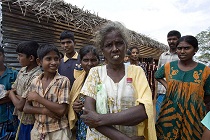
Conflict zones: Intentions vs. outcome
Sreeram Chaulia, Vice Dean of the Jindal School of International Affairs, talks to Gateway House’s Samyukta Lakshman about his new book titled, "International Organisations and Civilian Protection".

Sreeram Chaulia, Vice Dean of the Jindal School of International Affairs, talks to Gateway House’s Samyukta Lakshman about his new book titled, "International Organisations and Civilian Protection".
 Courtesy: Sven-steffenarndt/WikimediaCommons
The U.S. Justice Department is slowly but surely clamping down on Pakistani terrorist activities, as is evident not only by the recent arrest of Kashmiri propogandist Ghulam Nabi Fai but also in open claim that the ISI Security Directorate "overseas militant groups".
Robert O. Blake, U.S. Assistant Secretary of State for South and Central Asian Affairs, spoke to Manjeet Kripalani in an exclusive interview about the role of the Indian diaspora in the U.S. in fostering bilateral engagement between India and the U.S.
 Courtesy: Pragati
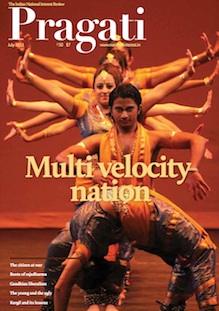
On May 1998, as India declared itself as a nuclear weapons state, it also committed its nuclear program to the No First Use of nuclear weapons policy. Consequently, the policy has been viewed as a democratic option, but what does this say about India?
 Courtesy: U.S.DepartmentofState/Flickr
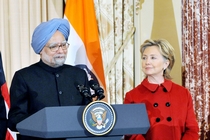
The upcoming strategic dialogue between India and the U.S. could prove significant: deepening people-to-people ties via the diaspora and collaboration on regional solutions could also enhance bilateral ties. Can this dialogue turn out to be a game changer in India-U.S. relations?
 Courtesy: TheU.S.Army/Flickr
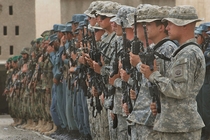
The 10-year old war in Afghanistan has reached a hazy stage as the U.S. announced a quicker withdrawal of troops, with NATO countries soon to follow. The South Asian region will undergo another makeover, hopefully opening doors for New Delhi and Islamabad.
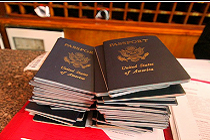 Courtesy: FourthFloor/Flickr
Despite their economic downturns, domestic tensions keep developed countries from embracing the revitalizing potential of foreign workers. Ambassador Neelam Deo argues that India should continue to leverage its history of diversity and capitalize on a world more open to the free flow of goods and services.
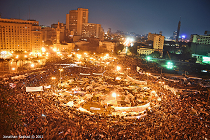 Courtesy: JonathanRashad/Flickr
As the Arab world remains engulfed in protests, there may be lessons to be learned from other recent democratic converts. Latin America’s growth story may provide the Arab world with some recommendations on how to address socio-economic issues in the post-revolution scenario.
 Courtesy: Pragati
The execution of Osama Bin Laden has led to a decline in international military presence in Afghanistan, opening the door for developmental agencies and regional actors to play a more active role. Can India take advantage of this critical juncture and work towards achieving peace in Afghanistan?
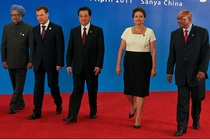 Courtesy: dilmarousseff/Flickr
As Europe stands united in its support for France's Finance Minister Christine Lagarde as a candidate to head the International Monetary Fund, many have begun to question if BRICS is truly an effective and united bloc. Will they be able to put forth a candidate all emerging countries can support?
