Chinese manoeuvres further confounding Middle East
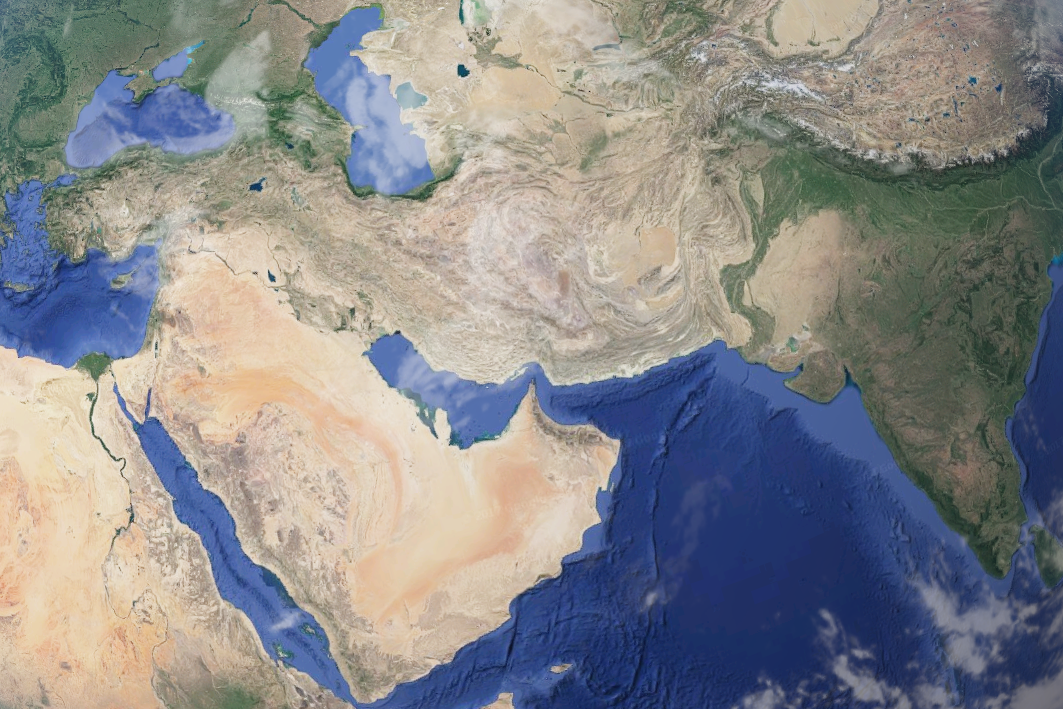
A conference in Doha on ‘Enriching the Middle East’s Economic Future’ offered many insights into the nature of geopolitical relations in the region and India’s significant role in it

 Courtesy: to put
A conference in Doha on ‘Enriching the Middle East’s Economic Future’ offered many insights into the nature of geopolitical relations in the region and India’s significant role in it
 Courtesy: Pixabay/Comfreak
The two countries’ proposal to carry out a robotic sample-return mission to the Moon in the 2020s is a laudable attempt at catching up with Beijing’s rather more advanced lunar agenda. And there are many lessons that Japan can offer India
 Courtesy:
Indian President Ram Nath Kovind leaves for Africa on his first foreign visit as president on October 3. His first port of call will be Djibouti, which occupies a strategic location in the Horn of Africa. The country has assumed significance for hosting multiple foreign military bases on its territory, the latest entrant being China. This infographic illustrates Djibouti’s ‘military base’ diplomacy.
 Courtesy: Western Naval Command
China has expanded its presence in the Indian Ocean Region. President Xi Jinping has abandoned Deng Xiaoping’s conciliatory posture for an aggressive, money-fuelled search for super power status
 Courtesy: PTI
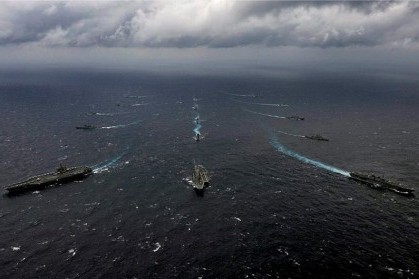
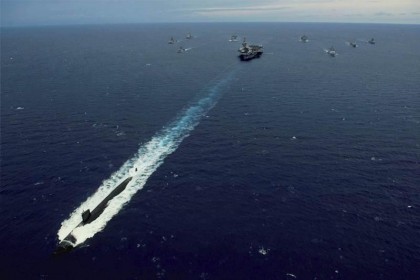
The historical evolution of the Malabar Exercise and the currently fraught relations between the participating countries and China created a much sharper context for the event, with the Chinese evincing a heightened interest in it
 Courtesy: PTI
In a special podcast, Vice Admiral (retd.) Anil Chopra, Distinguished Fellow for International Security and Maritime Studies at Gateway House, shares his insights into this years recently concluded Malabar Exercise, examining the inclusion of Japan and potentially Australia, while detailing the geopolitical implications of these exercises.
 Courtesy: Google Maps
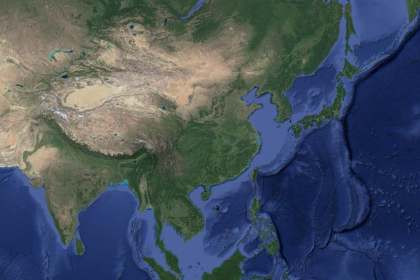
Hopes of a close partnership between the U.S. and India, as expressed at the Modi-Trump Summit, will have repercussions on East Asia. Will the region see peace or exacerbated conflict between China and all the nations opposed to its domination?
 Courtesy: Gateway House
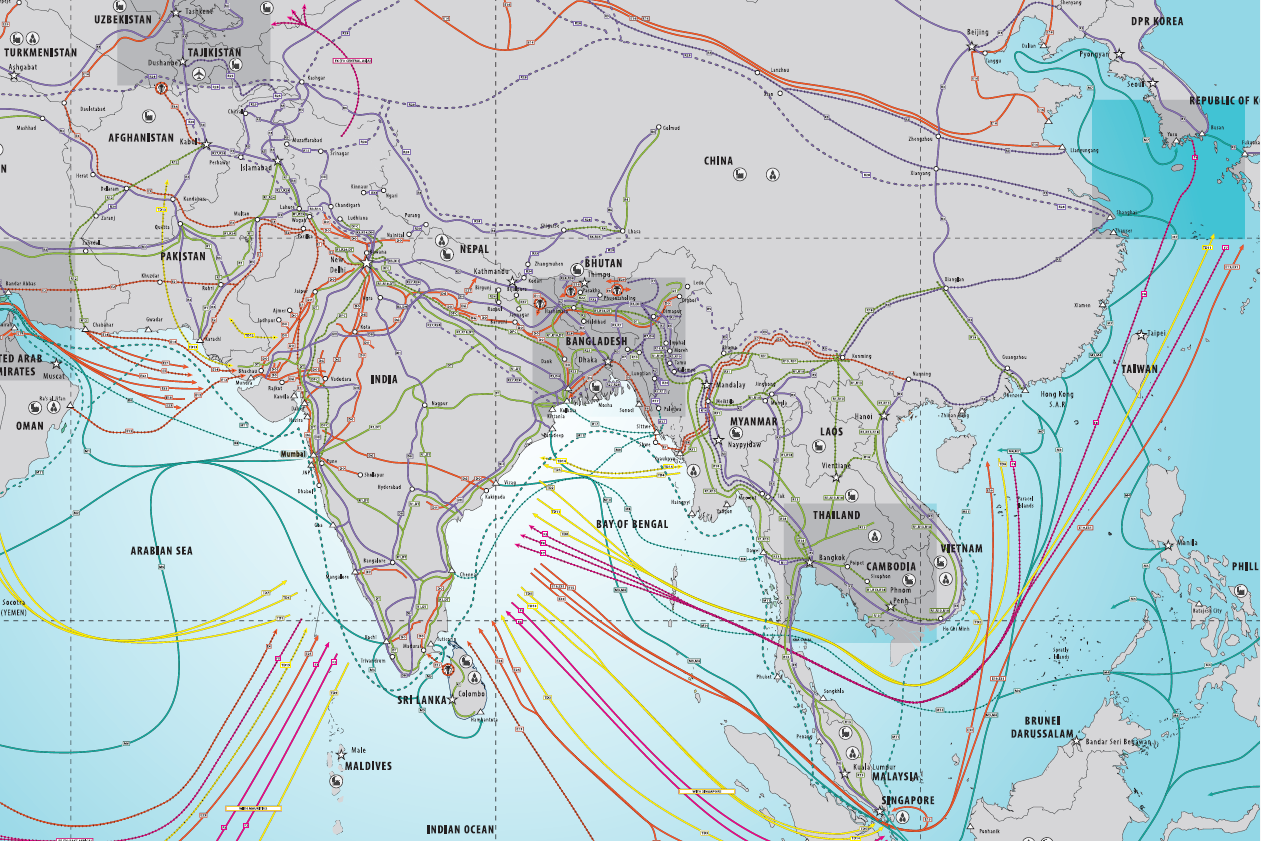
India’s global economic engagement, especially with the developing world, has increased in the last two decades, but trade with South Asia has remained low. It holds the potential for building greater productivity and more inclusive growth in India and the region
 Courtesy: Wikimedia Commons
Japanese technology giant Toshiba is sinking into a financial morass due to its near bankrupt nuclear power business, Westinghouse. India must recognise the new reality that nuclear energy is no longer financially viable
 Courtesy: MEA/ Flickr
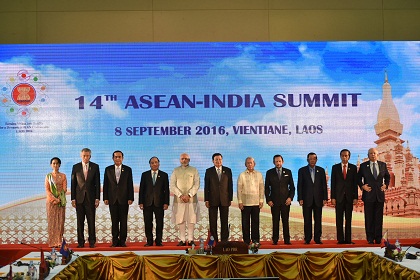
The Indo-Pacific region is home to some of the largest and most rapidly growing economies as also powerful military forces. Nuclear threats, international terrorism and climate change are some of the issues that define the region. Uncertainty dogs relations among the four nations in the top league—U.S., China, India and Japan—but what is emerging is a hawkish, policy stance from the U.S. as opposed to an isolationist outlook apprehended earlier