india FP Courtesy: Reuters
5 January 2023

2023, the year of diplomacy extraordinaire?

2023 brings responsibility and opportunity for India. As the host of the G20 and the Shanghai Cooperation Organization, the world will be watching closely. With this authority, comes challenges encapsulated by five C’s: Covid, Contraction, Climate crisis, Conflict and China. If India is able to use its opportunity, the year could end with India viewed as a near-great power, an international bridge-builder, and a successful democracy.

Elon Musk Courtesy: Reuters
8 December 2022

Cautious optimism at the B20 at Bali

The author participated in the B20 Summit in Bali and saw in it a reflection of Indonesia’s culture and hospitality, but also its attraction for investors despite geopolitical stresses. Indian business can take a cue from Indonesia, and use India’s B20 engagement to push for ease of doing business and improved quality of life indicators – an additional condition for India’s G20 Presidency’s success.

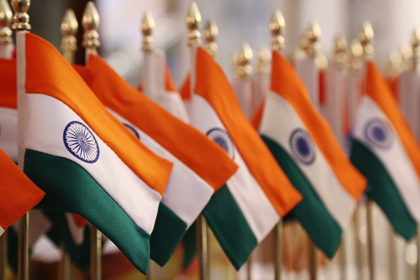
Indian Flags G20 Courtesy: Shutterstock
17 November 2022

Dialogue and diplomacy for peace

Despite the current tense global atmosphere, India and its foreign policy have remained true to its core of peace and security for all and equity and justice for the developing world. Throughout history, dialogue and diplomacy has been supported as a solution to dispute. Now, as G20 President, New Delhi can sow these seeds of peace in an increasingly multipolar world.

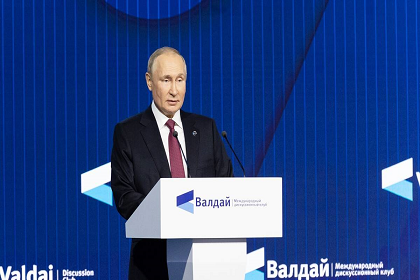
Putin's Speech Valdai Courtesy: Valdai Discussion Club
3 November 2022

At Valdai, Putin’s vision of emerging world order

The reference to India by Russian President Vladimir Putin at the Valdai Discussion Club may be interpreted as encouragement to New Delhi to use its good offices to nudge the warring sides to the negotiating table. Mediation is a big power game, and this may be the right time for India, at the cusp of the G20 Presidency, to start with a record of success

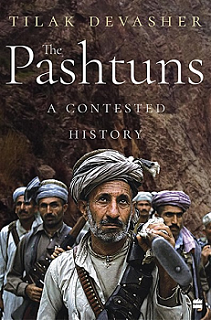
Pashtun Book 12 Courtesy: HarperCollins Publishers India
3 November 2022

The Pashtuns: A Contested History

Tilak Devasher’s book on the Pashtuns brings out the dynamics of the Pashtun, their code, their relationship with Islam and with Pakistan. It contextualizes the current geo-political challenges in South Asia, making it required reading for those who want to understand not only the Pashtuns but regional strategic and security dynamics.

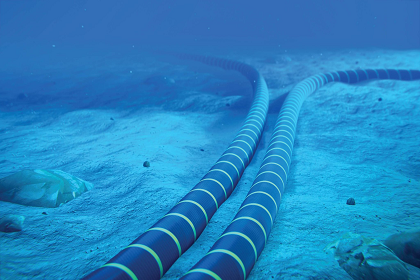
Undersea Cables Courtesy: Airtel
27 October 2022

Space and Undersea Cables

Space and undersea cables are critical to India’s communications infrastructure. While India’s space programme has been largely successful, in undersea cables, India is barely present. As global reliance on undersea cables and the data it carries, grows, India’s security interests strategically converge with maritime cables and space, and opens opportunities for international cooperation.

TACFERT 1 Courtesy: Tuticorin Alkali Chemicals & Fertilizers Limited
20 October 2022

Building a carbon capture ecosystem in India

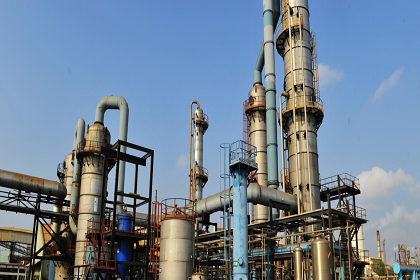
Renewable energy systems on their own will not be successful in achieving the net-zero targets. New technologies such as carbon capture, utilisation and storage (CCUS) also need to be used, especially in hard-to-decarbonize industries like petroleum, steel and cement. India can use its upcoming G20 Presidency to initiate an informed discussion on CCUS technologies.

Bolsi and Lula Right left Courtesy: Reuters
13 October 2022

Brazil elections, looking ahead

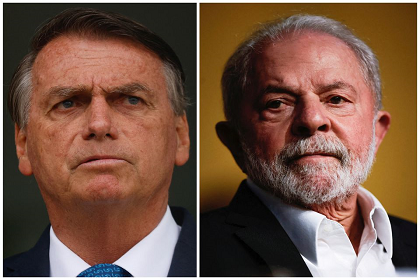
Brazil will head to the polls in a runoff this month to choose its next president. Will it be incumbent Jair Bolsonaro, or former president Lula da Silva? Both are popular with their voter bases, but both have hurdles to overcome, most notably the economy, and have differences on their global political alignment – particularly important as Brazil will be the G20 President in 2024.

UN Russia Ambassador Courtesy: Justin Lane/European Pressphoto Agency
5 October 2022

Double standards at the UNSC

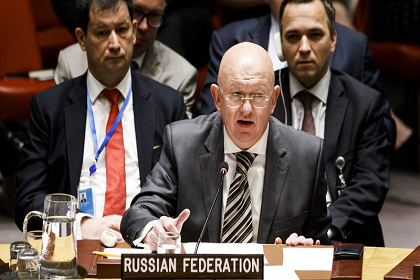
The BRICS have largely abstained from the UNSC resolution condemning Russia’s attempts to annex four Ukrainian provinces. Is it BRICS solidarity or is it because the interests of the Global North and its allies, and those of the Global South, are diverging?