The Emerging Exception
The traditional label of ‘middle power’ fails to capture India’s growing status. The country’s ability to shape the international discourse is no longer in question. India sees itself as a key player the global order.

 Courtesy: The Diplomatist
The traditional label of ‘middle power’ fails to capture India’s growing status. The country’s ability to shape the international discourse is no longer in question. India sees itself as a key player the global order.
 Courtesy: PTI
Operation Sindoor conveyed three messages: First, to Pakistan that it will have to bear the consequences of continuing to support terrorism. Second, to terrorists, that Bharat will inflict the same pain, if not more, than they inflict on Indian citizens. Third, to the world, that Bharat is resolute in responding to terrorism in a “measured, non-escalatory, proportionate, and responsible” manner.
 Courtesy: Agence France-Presse
India-China relations, undergoing a thaw since October 2024, have been slow to mend. In this scenario it is worth examining what assistance China can give Pakistan in case of military action by India, post Pahalgam. The state of play on the India-China border will also have a major implication for this.
 Courtesy: East Asia Forum
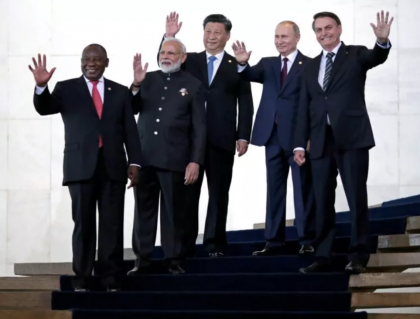
The traditional power structures of ‘unipolarity’ or ‘bipolarity’ prevalent over the past 80 years are no longer appropriate to describe the current global order, with more countries increasingly supporting the evolving multipolar world. With the old ‘rules-based’ order becoming less relevant, emerging powers like India have an opportunity to draft more equitable rules to match their multipolar intentions.
 Courtesy: Körber-Stiftung
The world is undergoing profound transformations that are not being driven only by the United States, China or Russia. Small and medium-sized States are carving out a legitimate place for themselves in the emerging new order. This second edition of our annual Emerging Middle Powers Report is a reminder that the signs of the times are showing a new momentum for middle powers.
 Courtesy: Reuters
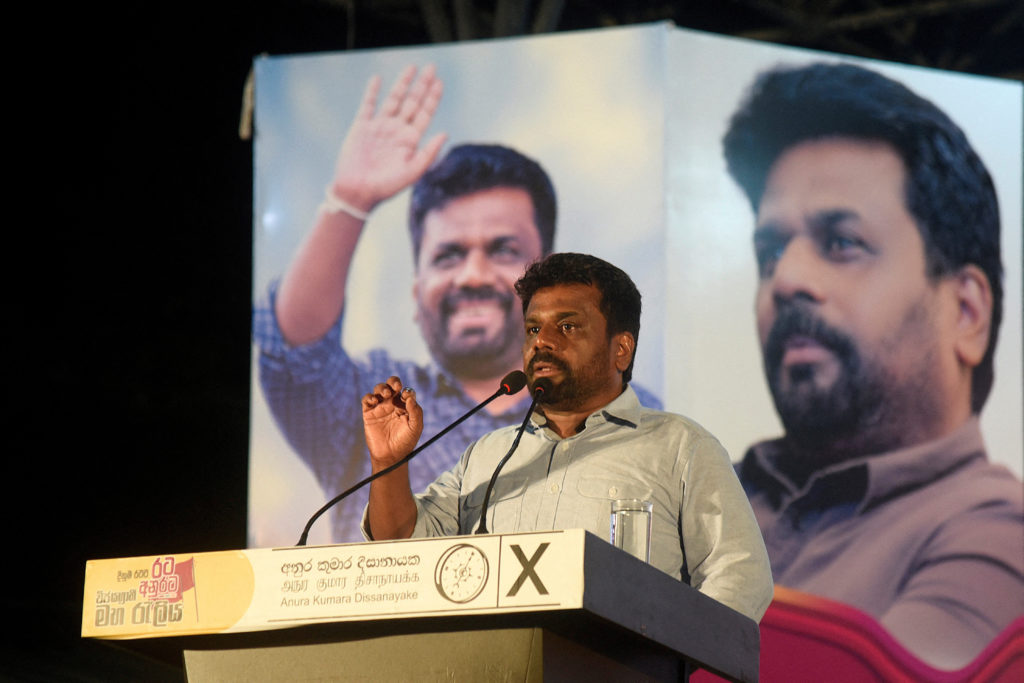
Sri Lanka is playing a balancing act as it manages its ties with India and China. It is heavily dependent on the two rival Asian giants for its economic revitalisation and future growth, but it must be strategic in its approach with both countries as it attempts to manage its foreign debt and ensure project sustainability while maintaining geopolitical neutrality.
 Courtesy: BERNAMA
Malaysia’s chairmanship of ASEAN in 2025 is pivotal. It will have to steer ASEAN toward regional peace, stability, and prosperity while reinforcing its centrality. All this during a time of heightened geostrategic rivalry, economic deglobalisation, rising protectionism, and nationalist trends.
 Courtesy: AFP
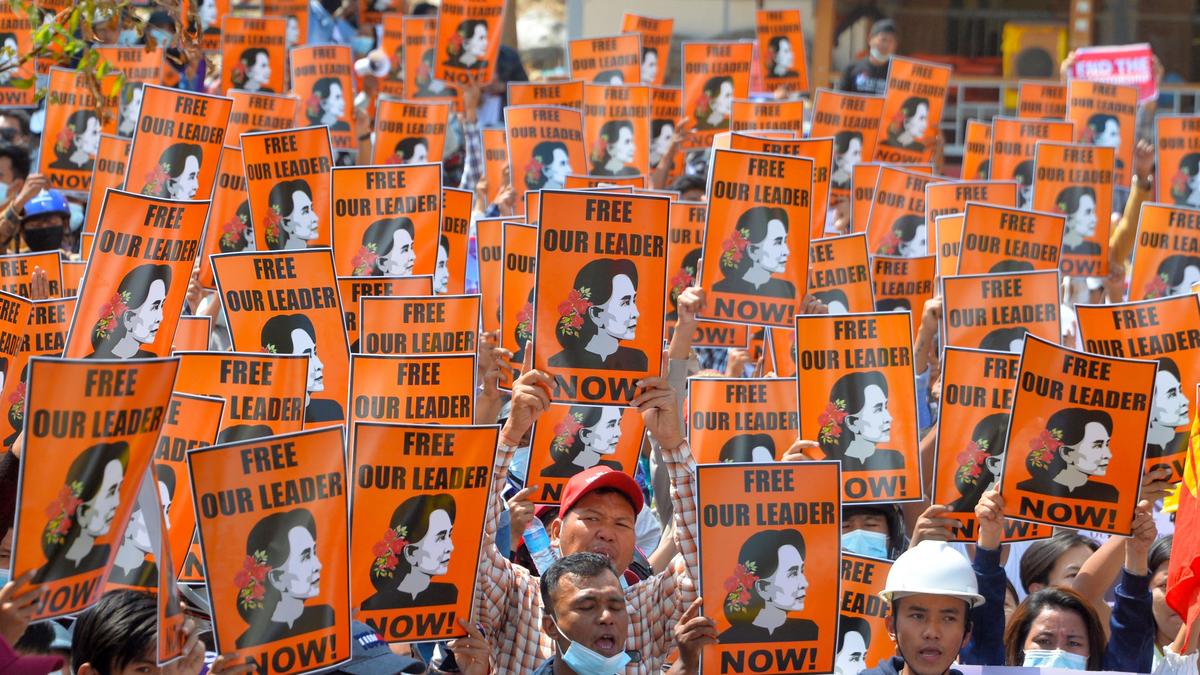
February 1 marks four years of the military coup in Myanmar, which plunged the country into a bloody civil war, still on-going. The crisis is deepening, as the struggle between the Junta forces and a fragmented resistance wages on with no resolution in sight. A stalled mediation by ASEAN, and lack of consensus amongst neighbouring countries on how to help, leaves Myanmar’s future uncertain.
 Courtesy: Gateway House
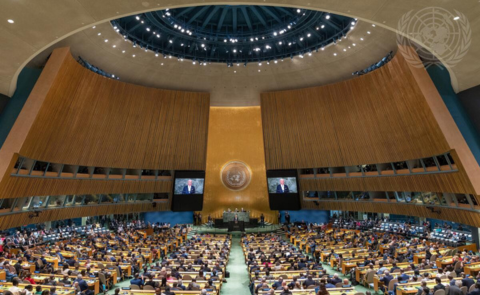
The UN turns 80 this year. How is it being judged? Both disparagingly and with admiration says Ruchira Kamboj, Former Permanent Representative of India to the UN. In this podcast with Manjeet Kripalani, Executive Director, Gateway House, she explains the now-diminished U.S presence, the growing influence of China, the scope for reform and India’s position as an emerging global power.
 Courtesy: Reuters
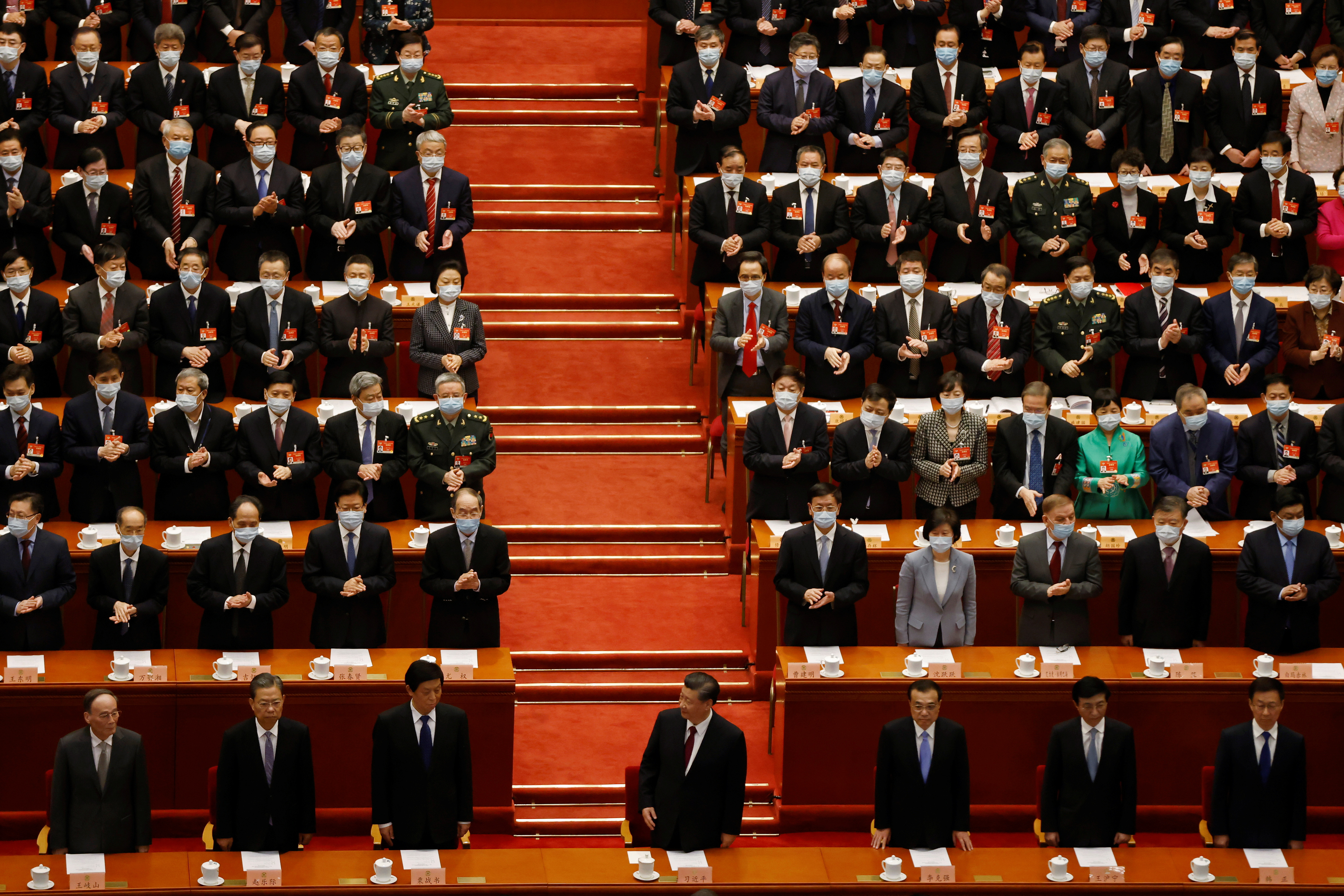
Two important conclaves held in December 2024 - a Politbureau meeting and the Central Economic Work Conference – set the tone for China’s economic focus in 2025. The economy needs a resurgence, given the domestic environment of low spending and the external threat of high tariffs – the outcome of swapping development for security. In 2025, China’s mandarins will try and find a balance between the two.