China in IOR: ‘peaceful rise’ no more
China has expanded its presence in the Indian Ocean Region. President Xi Jinping has abandoned Deng Xiaoping’s conciliatory posture for an aggressive, money-fuelled search for super power status

 Courtesy: Western Naval Command
China has expanded its presence in the Indian Ocean Region. President Xi Jinping has abandoned Deng Xiaoping’s conciliatory posture for an aggressive, money-fuelled search for super power status
 Courtesy: MEA/ Flickr
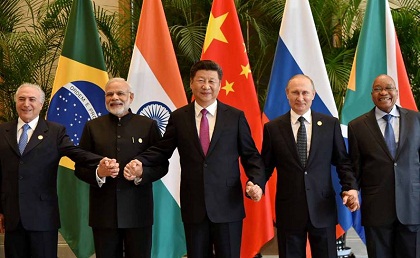
The ninth BRICS summit represented the victory of pragmatism over narrow nationalistic impulses. All BRICS members are likely to craft the grouping’s future script as it enters its second decade, but more crucially, the Big Three will have to show a large dose of statesmanship
 Courtesy: Narendra Modi/ Flickr
BRICS, which has always been committed to enhancing solidarity, is now entering its second decade – even as tensions between its two most consequential members remain unresolved and member states and other emerging markets are set to serve as “the main engine” of global growth
 Courtesy: Gateway House
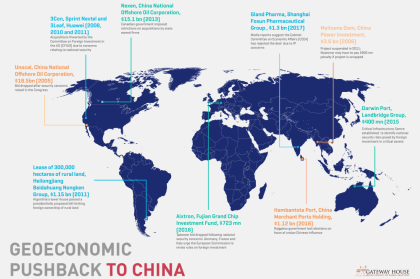
The Indian government may block the acquisition of Gland Pharma by Shanghai Fosun Pharmaceuticals, a move that offers further confirmation of how China’s opaque business model is causing concern worldwide. This infographic shows some high-profile cases of acquisitions by Chinese companies that ran into local opposition
 Courtesy: Gateway House
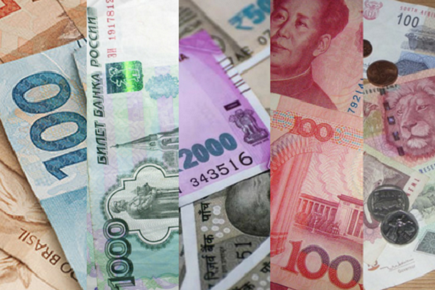
The multi-polar world that BRICS nations seek is not a reality yet and the differences between them do exist. But the BRICS summit in September offers leaders an opportunity to examine a few important financial issues before they can dictate the global agenda
 Courtesy: Gateway House
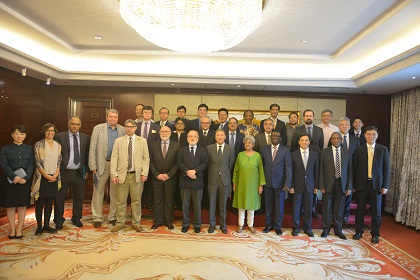
A conference of the BRICS 2017 Think Tank Forum, held in Beijing recently, showed that the grouping had progressed in influencing global governance despite some persistent intra-member differences
 Courtesy: Igor Peraza
Speakers at the ‘1st BRICS Think Tank Forum on Pragmatic Cooperation’, held in Shanghai last month, discussed ways to tackle new challenges as globalisation moves into the next phase where the BRICS countries will take the lead
 Courtesy: The Telegraph
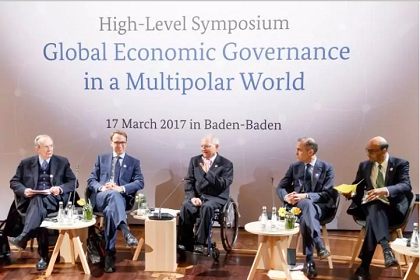
President Trump’s “America First” rhetoric has eroded support for the commitments that leaders made at previous G20 summits regarding trade: rejecting protectionism and strengthening the multilateral trading system. What implications does this have for global trade? Will the more moderate voices in the administration get heard?
 Courtesy: Gateway House
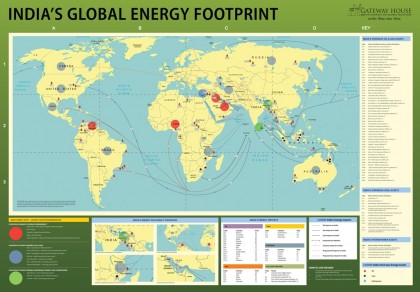
Trends in technology, geopolitics and geoeconomics have dramatically transformed the global energy scenario in the last two years. This means favourable conditions for import-dependent India, which must use the opportunities available to reduce its vulnerability to high energy prices. The jump in oil prices past the $60 mark suggests that India must act with alacrity. India’s Energy Footprint Map offers a profile of India’s global trade and investment in energy, and indicates what India can do to access cheap and reliable supplies
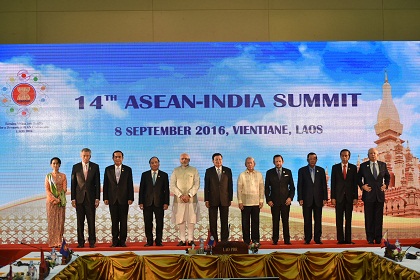 Courtesy: MEA/ Flickr
The Indo-Pacific region is home to some of the largest and most rapidly growing economies as also powerful military forces. Nuclear threats, international terrorism and climate change are some of the issues that define the region. Uncertainty dogs relations among the four nations in the top league—U.S., China, India and Japan—but what is emerging is a hawkish, policy stance from the U.S. as opposed to an isolationist outlook apprehended earlier