The Emerging Exception
The traditional label of ‘middle power’ fails to capture India’s growing status. The country’s ability to shape the international discourse is no longer in question. India sees itself as a key player the global order.

 Courtesy: The Diplomatist
The traditional label of ‘middle power’ fails to capture India’s growing status. The country’s ability to shape the international discourse is no longer in question. India sees itself as a key player the global order.
 Courtesy: PTI
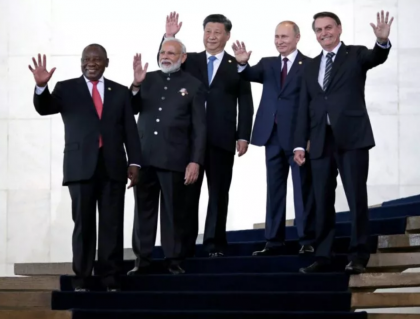
Amid polycrises, from pandemics to wars and trade wars, the global order is in flux, with the contours of the new order still unclear. As the world marks the 70th anniversary of the historic Bandung Conference, this article analyses how its Ten Principles still resonate in today's fractured geopolitical landscape and offer a roadmap for equity, inclusivity, and balance.
 Courtesy: East Asia Forum
The traditional power structures of ‘unipolarity’ or ‘bipolarity’ prevalent over the past 80 years are no longer appropriate to describe the current global order, with more countries increasingly supporting the evolving multipolar world. With the old ‘rules-based’ order becoming less relevant, emerging powers like India have an opportunity to draft more equitable rules to match their multipolar intentions.
 Courtesy: Narendra Modi on X
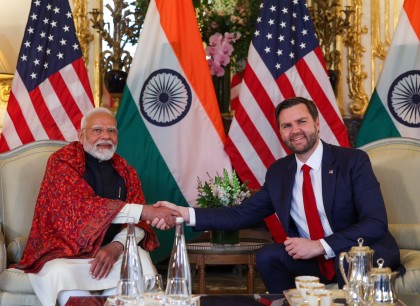
U.S. President Donald Trump is determined that India lower tariffs on American imports. He is sending his top representatives to communicate with officials in New Delhi before his own arrival in the Indian capital, aiming to finalize the proposed bilateral trade agreement.
 Courtesy:
U.S. President Trump is prioritising strategic competition with China and seeking stability with Russia. This approach involves sanctions relief, sidelining Ukraine, and fostering economic ties with Moscow to weaken its reliance on China and reshape global power dynamics. Europe is divided on the outreach to Russia, but the U.S. wants to leverage energy markets and investment opportunities to expand its influence over Moscow.
 Courtesy: AP
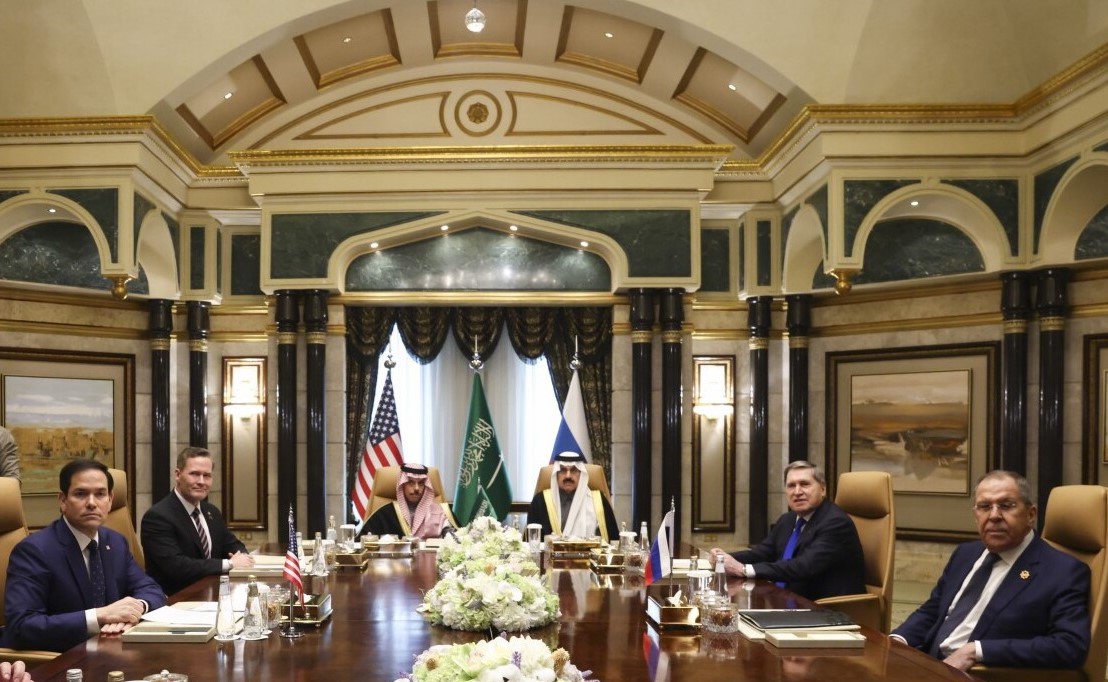
Saudi Arabia has been the new centre for mediation between warring states and their sponsors. It reflects the shifting dynamics in an increasingly multipolar world and the redefinition of power structures. This role has extended to other Gulf states, which have strategically positioned themselves as neutral players, leveraging their strong relations with the great powers, and adopted culturally sensitive to consensus-building.
 Courtesy: Institute for Global Dialogue
The G20 and South Africa - its presiding nation - will both face a difficult year. The U.S., one of the G20’s most vital members has not yet participated, notable by its absence from two important ministerial meetings. The U.S.’ changed foreign policy stance will be a tough challenge for G20; the Global South members will have to step up and become proactive.
 Courtesy: International House
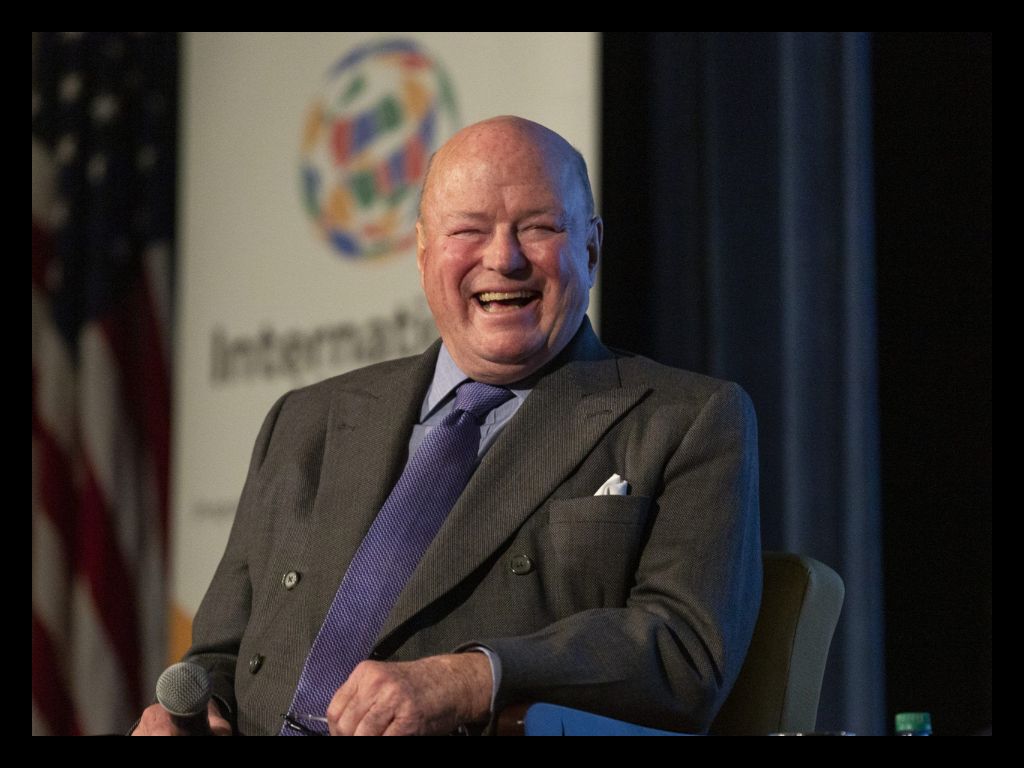
Frank G. Wisner was the most consequential U.S. ambassador to post liberalisation India. He used his three years in India to put the economic and commercial elements into the heart of the bilateral. He had friends on both sides of the aisle in India. He was an astute diplomat, but also accessible, making everyone feel comfortable regardless of their hierarchy in business or in official circles.
 Courtesy: Investopedia
The Bank of England was in the news because of the ‘gold squeeze’- traders moving gold from London to New York to profit from the price arbitrage. An informal version of this is taking place between Bangladesh and India.
 Courtesy: X
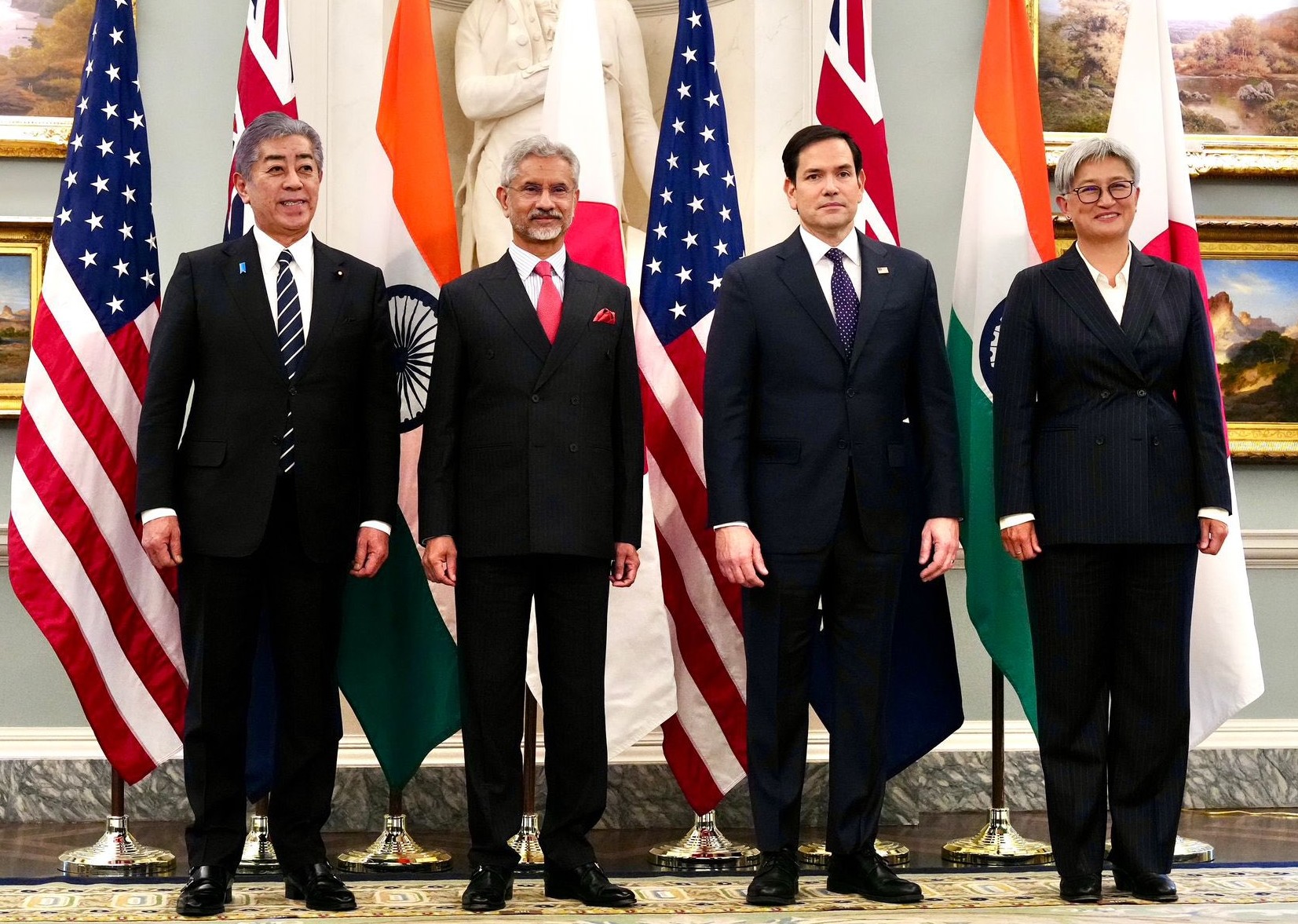
The first plurilateral meeting attended by new U.S. Secretary of State Marco Rubio was the Quad, a day after assuming office. The meeting reinforced the commitment to the Indo-Pacific but with the change in government, the Quad's trajectory in 2025 remains a question. Part of the answer lies in its past interactions, while the rest depends on how the U.S. and India will approach China.