The Emerging Exception
The traditional label of ‘middle power’ fails to capture India’s growing status. The country’s ability to shape the international discourse is no longer in question. India sees itself as a key player the global order.

 Courtesy: The Diplomatist
The traditional label of ‘middle power’ fails to capture India’s growing status. The country’s ability to shape the international discourse is no longer in question. India sees itself as a key player the global order.
 Courtesy: PTI
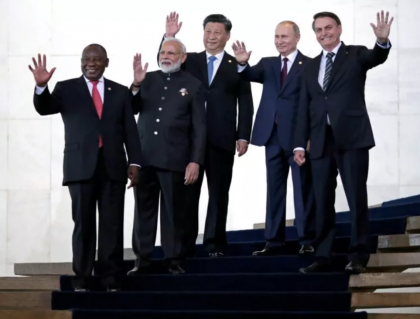
Amid polycrises, from pandemics to wars and trade wars, the global order is in flux, with the contours of the new order still unclear. As the world marks the 70th anniversary of the historic Bandung Conference, this article analyses how its Ten Principles still resonate in today's fractured geopolitical landscape and offer a roadmap for equity, inclusivity, and balance.
 Courtesy: East Asia Forum
The traditional power structures of ‘unipolarity’ or ‘bipolarity’ prevalent over the past 80 years are no longer appropriate to describe the current global order, with more countries increasingly supporting the evolving multipolar world. With the old ‘rules-based’ order becoming less relevant, emerging powers like India have an opportunity to draft more equitable rules to match their multipolar intentions.
 Courtesy: Narendra Modi on X
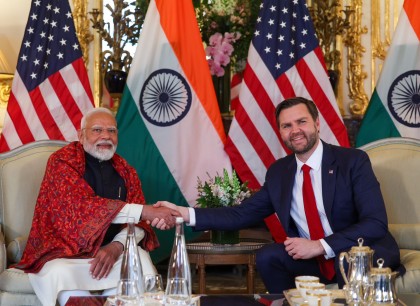
U.S. President Donald Trump is determined that India lower tariffs on American imports. He is sending his top representatives to communicate with officials in New Delhi before his own arrival in the Indian capital, aiming to finalize the proposed bilateral trade agreement.
 Courtesy: Investopedia
The Bank of England was in the news because of the ‘gold squeeze’- traders moving gold from London to New York to profit from the price arbitrage. An informal version of this is taking place between Bangladesh and India.
 Courtesy: X
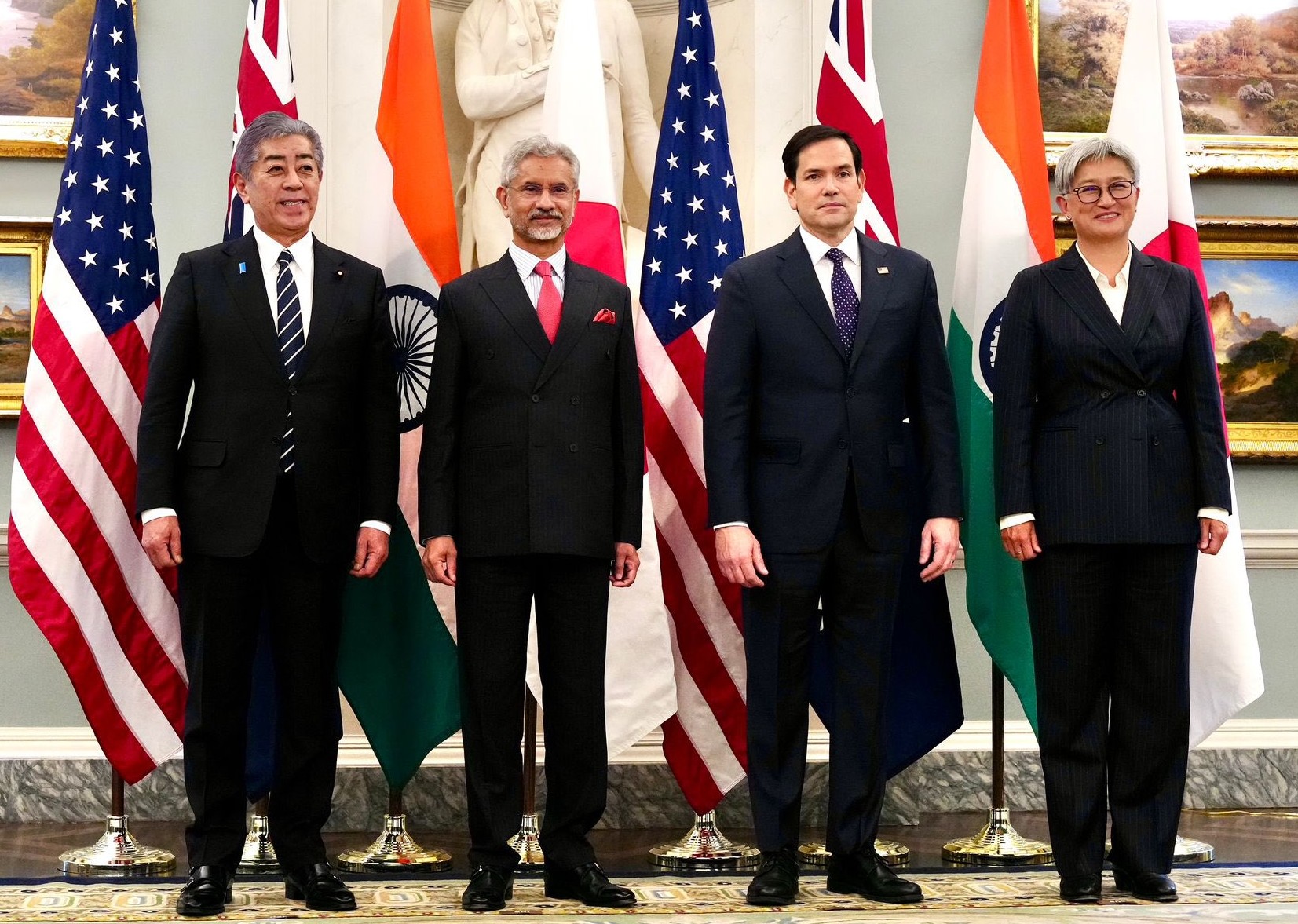
The first plurilateral meeting attended by new U.S. Secretary of State Marco Rubio was the Quad, a day after assuming office. The meeting reinforced the commitment to the Indo-Pacific but with the change in government, the Quad's trajectory in 2025 remains a question. Part of the answer lies in its past interactions, while the rest depends on how the U.S. and India will approach China.
 Courtesy: Reuters
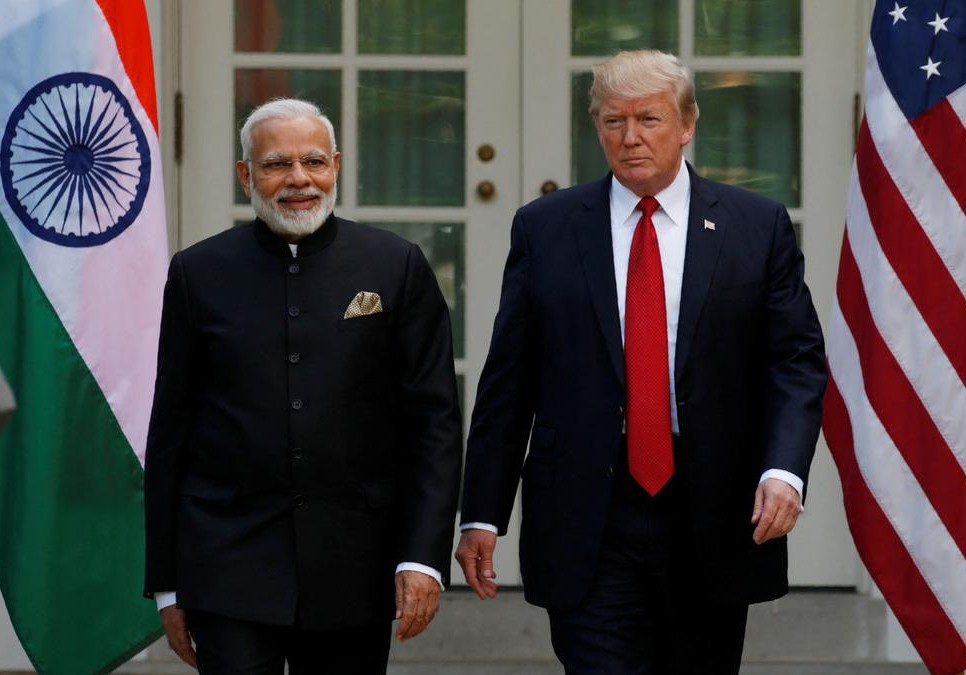
India and the U.S. have a big agenda, bilaterally and geopolitically, to discuss when Prime Minister Narendra Modi and U.S. President Donald Trump meet in Washington on Feb 12-13. Trade, China and migration are central points of discussion. So will ensuring that Trump allies with India on its neighbourhood as an area of common concern. The big election win in New Delhi will strengthen Modi’s negotiating hand.
 Courtesy: Gateway House
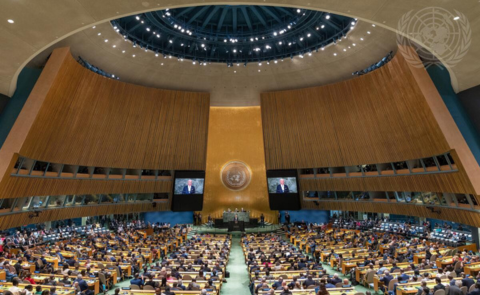
The UN turns 80 this year. How is it being judged? Both disparagingly and with admiration says Ruchira Kamboj, Former Permanent Representative of India to the UN. In this podcast with Manjeet Kripalani, Executive Director, Gateway House, she explains the now-diminished U.S presence, the growing influence of China, the scope for reform and India’s position as an emerging global power.
 Courtesy: President of Russia-Events website
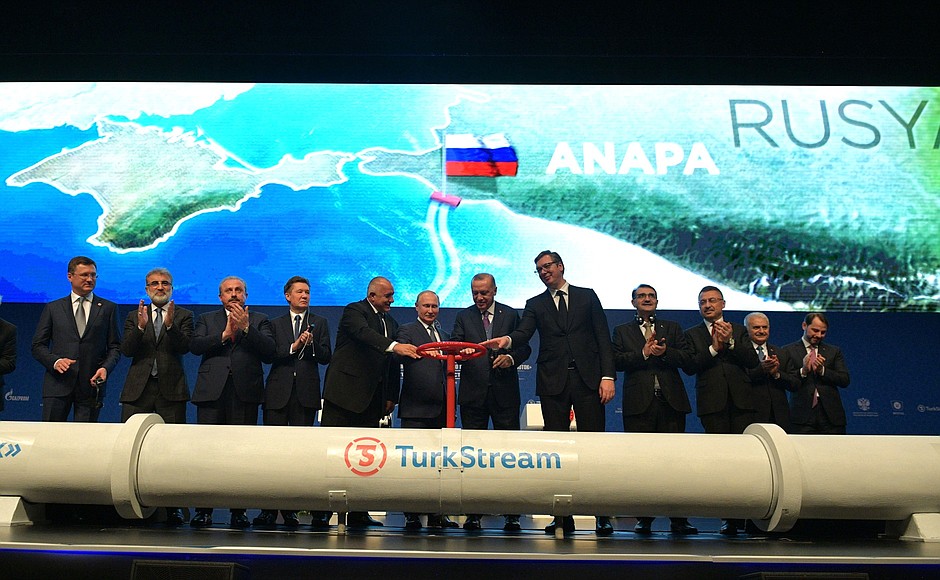
Europe has reduced its reliance on Russian gas following the war in Ukraine, and its chief supplier Russia is mired in western sanctions. What does it mean for Russia? It has certainly changed the fortunes for American gas to be sold to Europe: as of 2023, the US had become the world’s top exporter of gas.
 Courtesy: Newsweek
U.S. President Donald Trump is back for a second term, and India and the U.S. together have much to gain from it. The bilateral has grown tremendously over the decades, with technology, scientific and trade ties deepening and expanding. Also, both countries have a common interest in addressing the ascent and bullying tactics of China.