An agenda for Modi in Silicon Valley
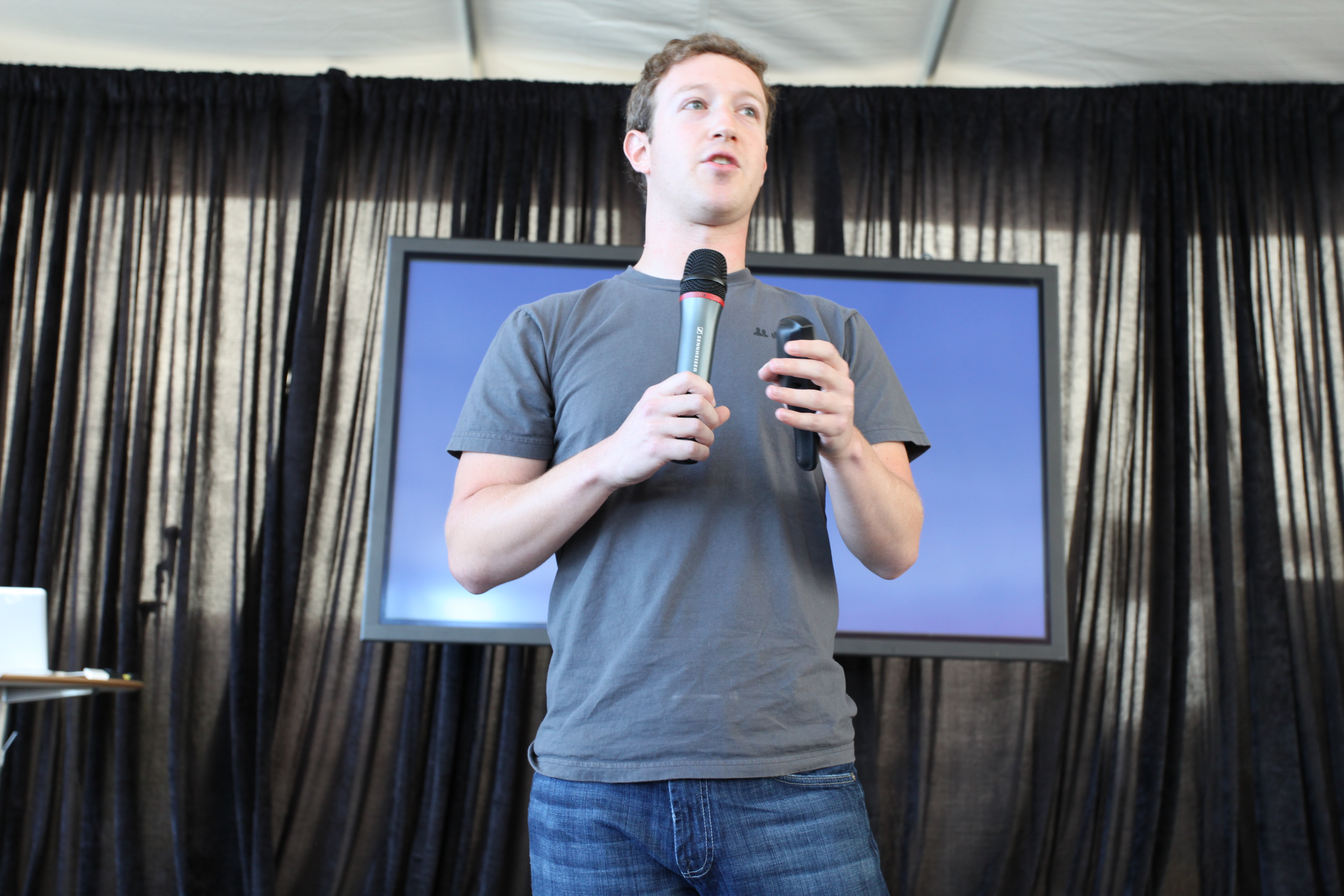
Prime Minister Narendra Modi's outreach to the influential Indian diaspora in Silicon Valley in September should be centered on creating an Indian ecosystem for tech start-ups
Courtesy: John Fischer/Flickr
Prime Minister Narendra Modi's outreach to the influential Indian diaspora in Silicon Valley in September should be centered on creating an Indian ecosystem for tech start-ups
Courtesy: yesow.com
The new guidance on the development of internet finance in China provides insight into the future of China's pioneering internet finance industry and the defining role it will play in the country's economic reform process
Courtesy: Alibaba, Xiaomi, Wechat
Less than two years ago most Indians would struggle to name a Chinese company. Fast forward to the present, Chinese smartphone company Xiaomi is on the tips of everyone’s tongue. Chinese internet giants Alibaba, Tencent and Xiaomi have emerged as investors and major players in India’s fast growing e-commerce and internet space. Their emergence marks a new and exciting area of cooperation and engagement between India and China
Courtesy: Review Journal, Xinhua
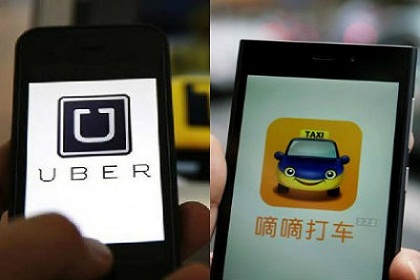
Although Uber has a $41billion global valuation, over 99% of the taxi app market in China is controlled by local competitors offering personalised services, informal networks, and a familiarity with regulations that Uber cannot match. In such a scenario, can Uber live up to its valuation? And will local entities eventually also have an advantage in the crowd-sourced trucking and waterways sectors?
Courtesy: psychotropicon.info
Cyber crime has transcended hacking and other online illegal activities—the black markets of the “hidden” internet are now a potent threat. This “darknet” is used by illicit traders, saboteurs and terrorist groups—with serious financial and security implications for the Indian government and business sector
Courtesy: globalsherpa.org
The Indian government has undertaken a massive financial inclusion scheme to bring bank accounts to the poor. But poverty alleviation needs to be addressed at multiple levels for which the Latin American example of using targeted and customised conditional cash transfer programmes can help India
Courtesy: Karen Bleier AFP/Getty
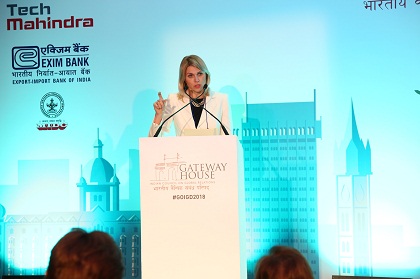
Social media has disrupted how diplomats communicate with each other and the general public. How are diplomats using these platforms? How will future digital tools change the meaning and capabilities of digital diplomacy? Gateway House presents an educational mini-series on digital diplomacy, profiling Indian digital diplomacy, and the future trajectory of digital diplomacy.
Courtesy: plus.google.com
Uber’s success allowed it to raise close to $1.2 billion dollars in its last round of investments which means that even as technology changes lives and businesses break new ground, the balance between forging into the future and having an adaptive regulatory environment is the need of the hour
Courtesy: danxoneil / Flickr
Across the globe, governments trying to control the internet are violating the privacy and rights of internet users. China’s censorship model is limited to its borders, the U.S.’ surveillance affects everyone internationally. A multilaterally-acceptable mandate for cyber governance is now an imperative.
Courtesy: bfshadow/flickr
This daily column includes Gateway House’s Badi Soch – big thought – of the day’s foreign policy event. This Badi Soch discusses the new Chinese internet censorship laws and analyses how it plays to a larger model of internet censorship.