rawlines Courtesy: Gateway House
6 August 2026

The Kremlin: AI ecosystem architect

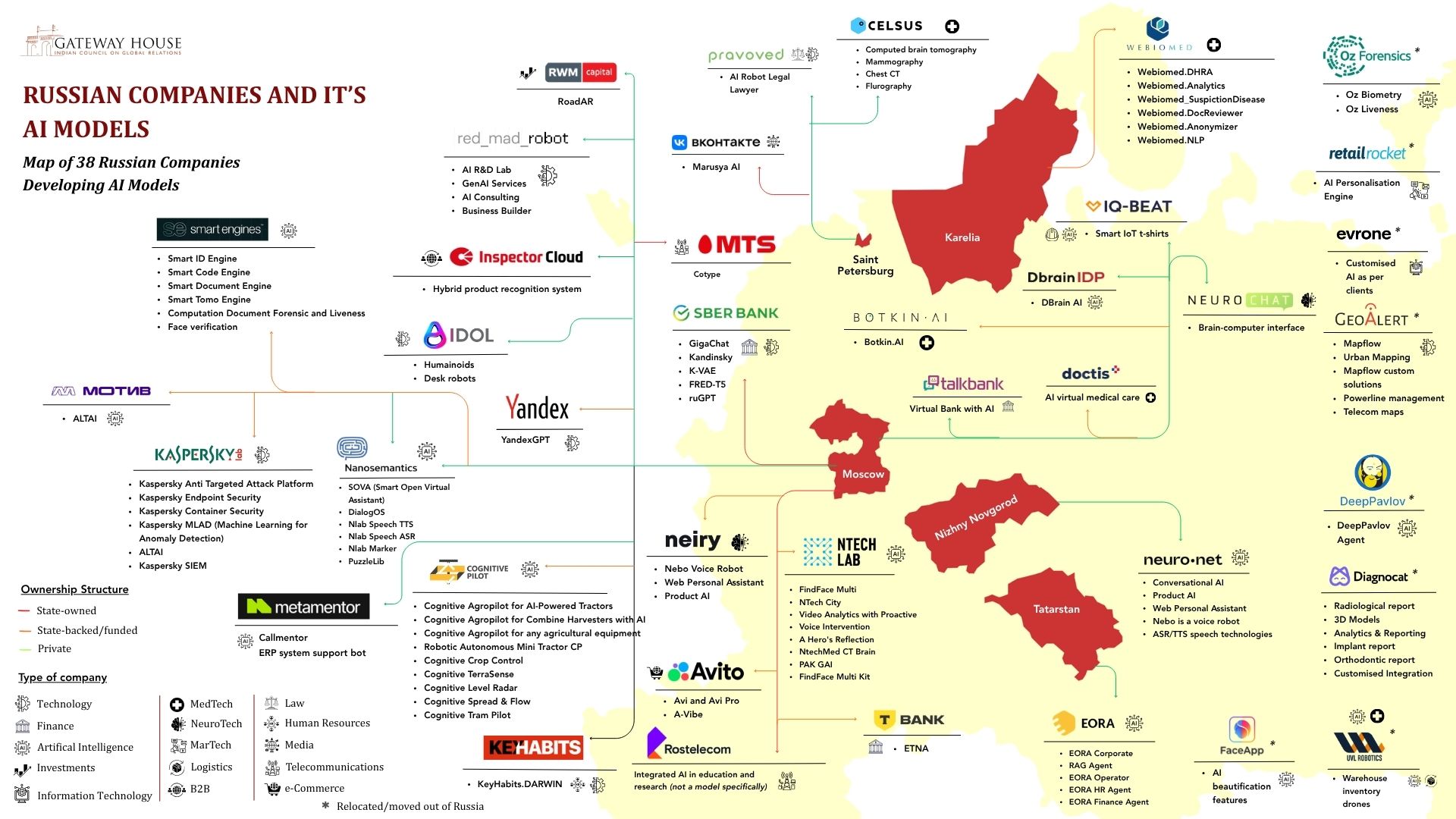
At the St. Petersburg International Economic Forum in June, President Vladimir Putin reiterated that Russia is building a sovereign AI ecosystem. Despite Western sanctions and the brain drain following the Ukraine war, Moscow continues to support AI startups and SMEs through state-backed funding. There are 38 Russian AI companies, and it is worth analysing their backgrounds, classifications, and the links between them and the Russian state.
sabrang india (1) Courtesy: Council on Foreign Relations
23 July 2026

India should re-examine its energy investment

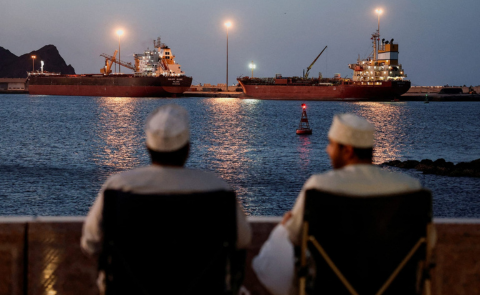
The absence of panic in the energy markets despite the renewed U.S.-Iran fighting indicates a well-supplied oil market in the longer term. That means stability for energy short countries like India in the long term. In the short term, however, India will be impacted by other disruptions, such as the increased use of sanctions.

Kenny Holston  AP (3) Courtesy: Business Post
11 June 2026

AI and its spin-off gains

The AI industry in the U.S. is on a high, with three major upcoming public offerings on the table from Anthropic, Open AI and Space X hogging the attention and news. But users are increasingly concerned about costs, and developers are rushing to raise capital. When the effervescence abates, a reduced appetite for AI stocks may eventually see investors return to emerging markets. Can India benefit?

Website articles Courtesy: Warung Pintar
6 November 2025

Jakarta’s bet on India’s digital playbook

The currents shaping the relationship between the Indo-Pacific’s two largest democracies are not trade winds but terabits flowing through fiber-optic cables and the instant signals of digital payments. Jakarta and New Delhi are forging a landmark digital alliance—one that goes beyond technology. At the heart of this digital handshake lies the plan to link Indonesia’s BI-Fast with India’s Unified Payments Interface.

modi_in_us_latest_news_modi_us_visit_1687443898727_1687443898970 Courtesy: Hindustan Times
10 August 2023

Firing India-U.S. partnership on all engines

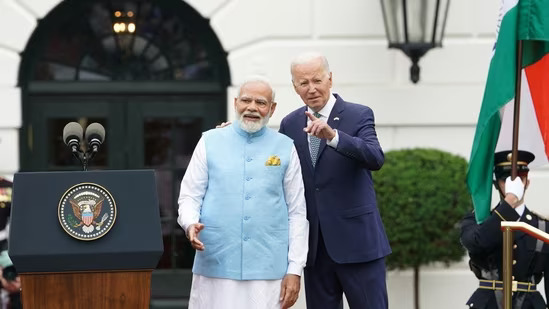
PM Modi’s State visit to the U.S. was marked by over a hundred agreements in emerging technologies, trade and investment. Manjeet Kripalani, Executive Director, Gateway House, spoke with Atul Keshap, President, U.S.-India Business Council, on the future of the India-US bilateral and thier multilateral relationships through the Initiative on Critical and Emerging Technologies (iCET) and the Quad.

TCR_Website Courtesy: The Core Report
29 June 2023

What Indian Companies can do for the U.S.

Manjeet Kripalani, Executive Director, Gateway House, spoke with Govindraj Ethiraj at The Core on the opportunities for Indian business in engagements with the U.S. There are many opportunities for Indian companies to leverage the increased Indo-U.S. bonhomie, including in capacity building, technology flows, and knowledge transfer.

modi website Courtesy: Mint
29 June 2023

Russian views on Modi’s U.S. visit

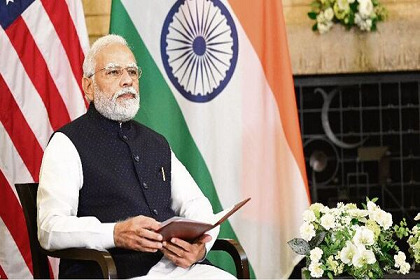
The Russian reaction to the highly successful visit of Prime Minister Narendra Modi to Washington D.C, has been largely balanced. Russians appreciate India’s need for top technology and investments, but also note that Delhi has done so without compromising its strategic autonomy.

641083a1c1e1c.image Courtesy: Daily Record
16 March 2023

Blame Game in Overdrive on SVB Collapse

The collapse of Silicon Valley Bank has global strategic implications. Santa Clara County, the home of Silicon Valley is nearly the size of Hong Kong. A meltdown of Silicon Valley would be catastrophic for U.S. leadership in the technology sector, especially when the U.S. and China are engaged in a technology race for supremacy in commercial and military applications.

ISRO satellite Courtesy: ISRO
26 May 2022

India’s EO satellites in the Indo-Pacific

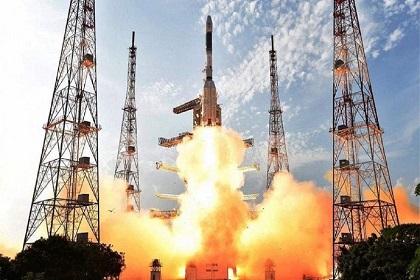
The Quad has agreed to launch a satellite-based maritime security initiative to curb illegal fishing by China. India is a global leader in satellite launches, especially in Earth Observation (EO) satellites. The Indo-Pacific nations are looking at the Indian model because it is applicable, economical, and sustainable.

Narendra-Modi-Silicon-Valley-684x420 Courtesy: Twitter: Digital India Archives
19 May 2022

Digital public goods for the Indo-Pacific

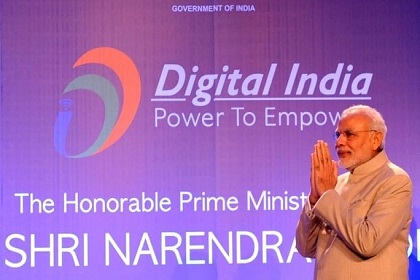
With mass digitisation, India has proved that technology is not just for the educated, privileged, and wealthy. The country's open and secure digital public platforms can be significant for the Indo-Pacific, the world's most data-rich region. The Indian model is applicable because it is open-source, interoperable, auditable, and enshrines individual rights, ownership, and empowerment.