BIMSTEC, bridge between South & South East Asia?
TIMES NOW featured our Distinguished Fellow in Foreign Policy Studies, Amb. Rajiv Bhatia on their show to discuss the fourth BIMSTEC Summit. Watch the full episode here.

 Courtesy:
TIMES NOW featured our Distinguished Fellow in Foreign Policy Studies, Amb. Rajiv Bhatia on their show to discuss the fourth BIMSTEC Summit. Watch the full episode here.
 Courtesy: Gateway House
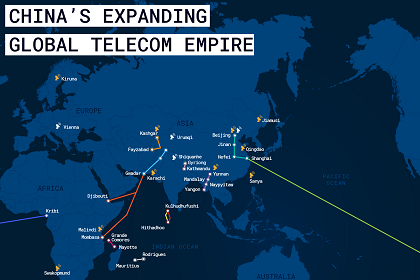
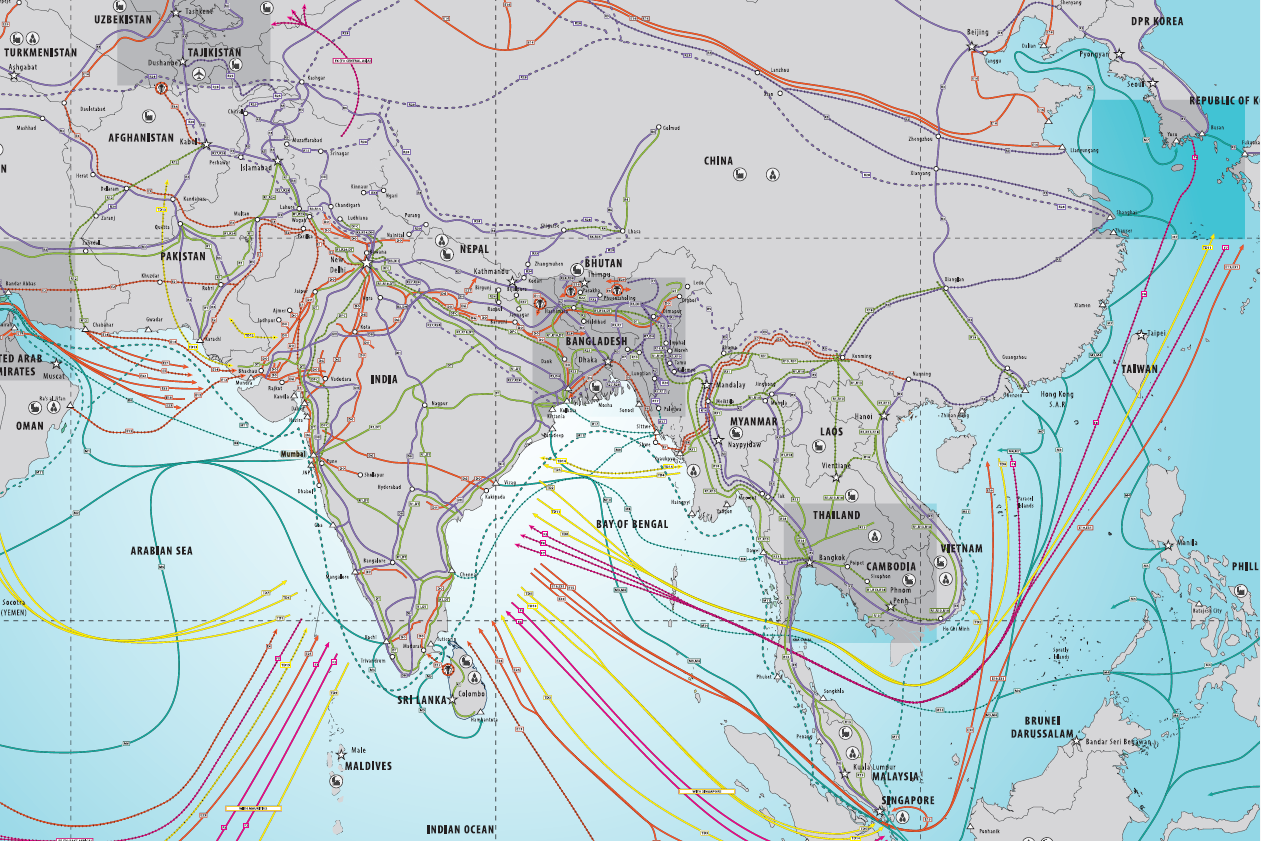
This version of the Gateway House Map on China’s Expanding Global Telecom Empire identifies some more telecommunication assets -- optic-fibre and satellite ground stations -- that Beijing is working on in South and Central America, Africa, Myanmar, the Indian Ocean Region and mainland China besides the existing ones, such as the Pakistan East Africa Cable Express (PEACE). It shows the direction China’s investment is taking, its diplomatic overtures and the larger geopolitical implications of its growing telecom empire
 Courtesy:
Gateway House is represented at the Nepal-India Think Tank Summit by our Fellow, National Security Studies and Director, Centre for International Security, Sameer Patil. The summit received wide coverage by the local press including a mention of Gateway House in Read more
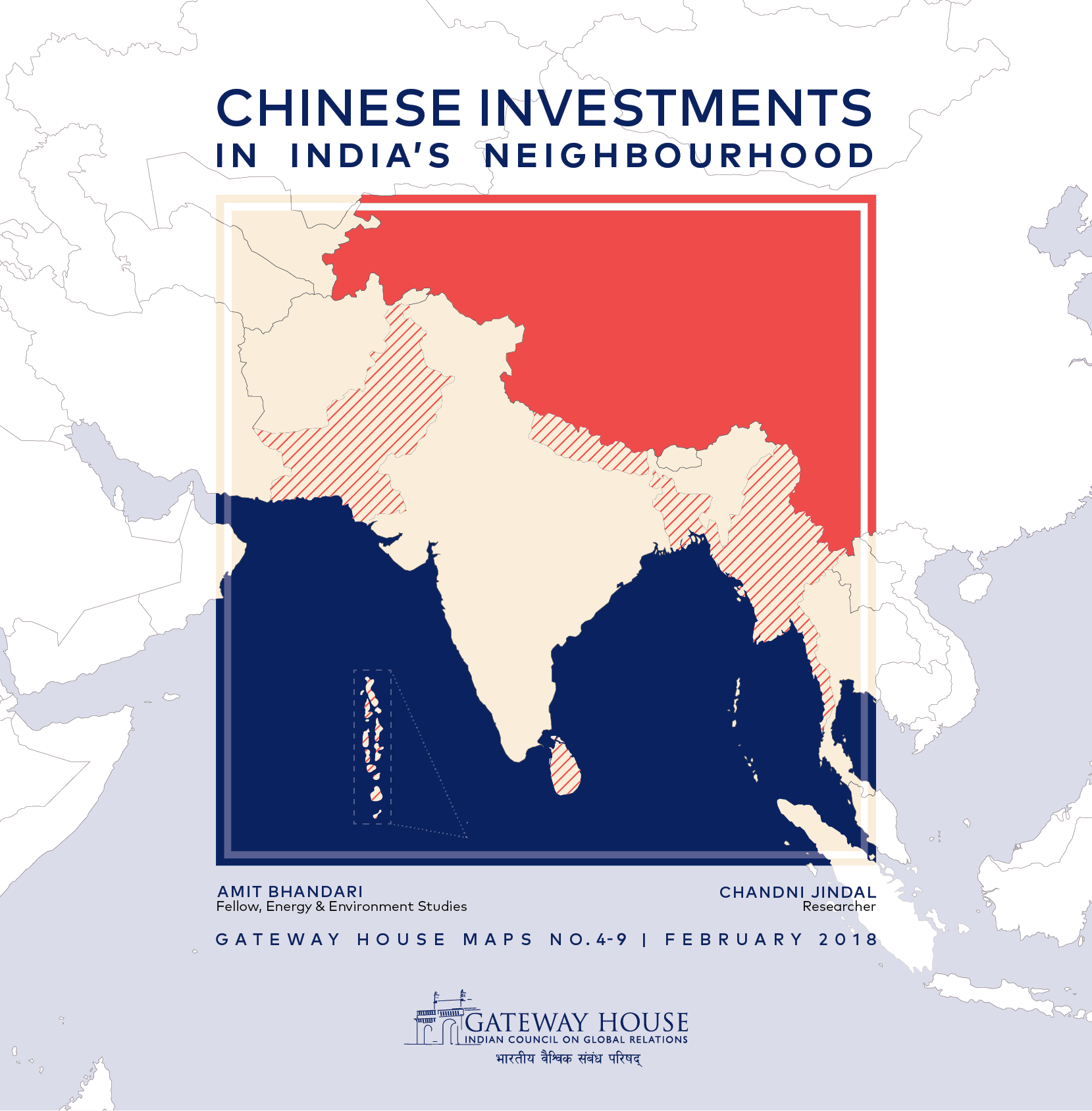
India and the world have watched China’s growing investment in Asia and beyond with a mix of awe and apprehension. The unprecedented scale of these investments are reshaping political arrangements around South Asia.
 Courtesy: Gateway House
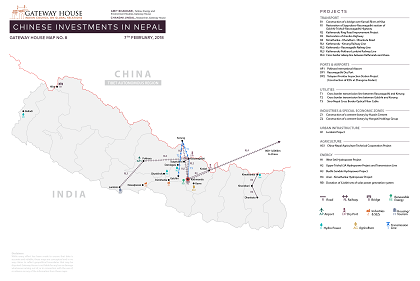
Nepal has historically enjoyed close economic ties with India. An open border and the large number of Nepalis in the Indian army testify to the two countries’ economic and social proximity. But as with other countries in India’s neighbourhood, Chinese investment is leading Nepal to tilt towards China.
 Courtesy: MEA/Flickr
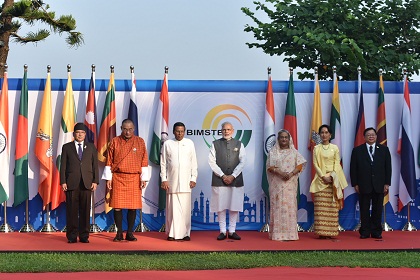
Regional groupings in South Asia have turned out to be like diligent pupils whose report cards show performance below par. The reasons for such an impasse range from political divergences to the economic downturn and the much talked about China factor that has many implications for India
 Courtesy: MEA/ Flickr
This regional grouping has to deliver on promises in collaboration with governments and corporate India so that neglected issues – from the Rohingya crisis to the scheduling of the next summit, and arriving at an agreement on the Free Trade Area – enter the national discourse
 Courtesy: MEA/ Flickr
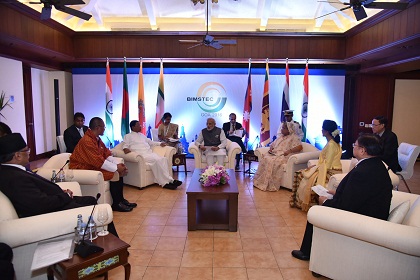
This regional grouping, which was envisioned as a potential bridge between SAARC and ASEAN, turns 20 on June 6. It achieved very little until last year, when efforts to revive its original mission began quite by accident. It has the potential to make greater strides if member states adhere to their commitments.
 Courtesy: Gateway House
India’s global economic engagement, especially with the developing world, has increased in the last two decades, but trade with South Asia has remained low. It holds the potential for building greater productivity and more inclusive growth in India and the region
 Courtesy: Wikipedia/ Gateway House
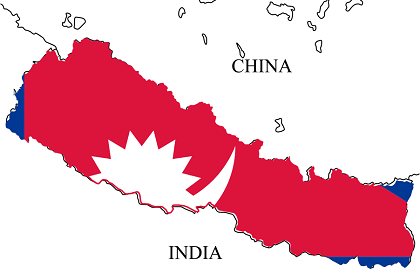
Nepal, currently one of the 21st century’s important locations in Asia, has to safeguard itself by its own initiative, not rely on guarantees from external actors. The authors, one of whom is a former minister of the country, suggest that a changed world order calls for more modern security forces and an independent defense policy
.png)