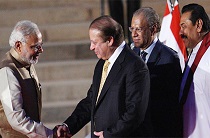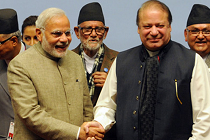
Modi with Sharif_SAARC Courtesy: MEA/Government of India
1 December 2014

Can SAARC succeed despite itself?

The recent SAARC Summit was once again derailed by India-Pakistan dissonances. Is it time for India to look beyond this collective? Or are there ways to overcome the distrust and address border issues, build institutions to implement common goals, and create an economic union of confident democracies?
burdwanblast_6 Courtesy: wikimedia
25 November 2014

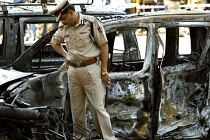
Combating terror financing through SAARC

Despite an early regional consensus on counter-terror, SAARC’s record in tackling terrorism remains dismal. With the widening network of terrorist groups in the subcontinent, it is imperative that India takes the lead in forging substantial counter-terrorism cooperation, particularly on the issue of financing

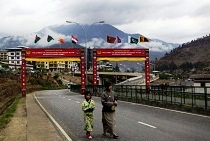
SAARC Courtesy: pmindia.nic.in
21 November 2014

Will SAARC embark on a new path?

The 18th SAARC Summit in Kathmandu next week is an opportunity for member countries to start shaking off the shackles of distrust. Instead, SAARC must robustly move forward on such issues as regional connectivity, SAFTA, climate change, and security—and India can be the prime mover in building this renewed cooperation

SAARCsummit1 Courtesy: Wikimedia commons
21 November 2014

A primer on SAARC

The 18th SAARC Summit will cover a wide range of issues, including connectivity, climate change, and SAFTA. A number of similar issues were discussed at the last summit—what’s been the progress since then? Given its constraints, does the association have a future? Gateway House asks and answers five questions on SAARC

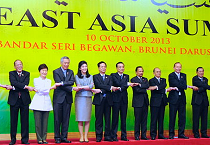
east asia summit Courtesy: wikimedia
7 November 2014

A multilateral test for Modi

After bilateral meetings, the thrust for Prime Minister Modi will now change with various multilateral summits coming up, starting with India-ASEAN and the East Asia Summit next week. These are opportunities to expand India’s regional position and economic links, and address issues such as terrorism and a rising China

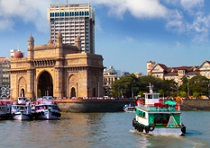
Mumbai Courtesy: wikimedia
7 November 2014

BRICS headquarters in Mumbai

Globally, metropolitan cities are becoming powerful centres that sustain entire countries. In the case of Mumbai, the government can work backwards by stitching the infrastructure and governance together. The tried-and-tested technique is to host an international institution or event. Gateway House argues that Mumbai is most appropriate to be home to the headquarters of BRICS

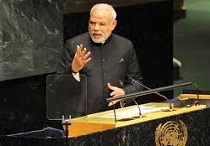
UN Courtesy: wikimediacommons
31 October 2014

Should India give up on the UNSC?

Despite staking a claim to permanent UN Security Council membership 60 years ago, India is no closer to that goal. While conflict zones remain in Africa and Asia, economic might has shifted eastwards. The West-dominated UNSC is becoming irrelevant. If India becomes a permanent member, can it influence the council’s ethos?

UN-WOmen Courtesy: UN.org
22 October 2014

Women, the UN and altered realities

It is evident that the UN’s institutions have lost their power to negotiate for justice. As the MDG programme draws to an end in 2015, its rhetoric must be replaced by new structures that recognise context-specific economic realities, and processes rooted in the knowledge of feminist groups all over the world