U.S.-Taliban deal: India in strategic role
India should stop looking at Afghanistan through the Pakistan prism and be a major contributor in the development of peace and prosperity in the country

 Courtesy: Shutterstock
India should stop looking at Afghanistan through the Pakistan prism and be a major contributor in the development of peace and prosperity in the country
 Courtesy: Sameer Patil
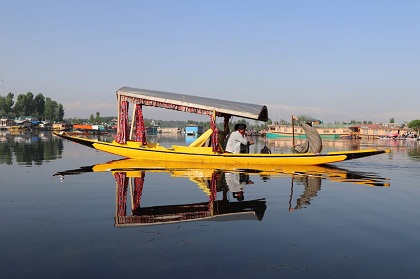
On a week-long October visit to Jammu and Kashmir, the author found both clarity and complexity among the citizens about their new status, and that the practicalities of daily life are more compelling than ideology
 Courtesy: Shutterstock
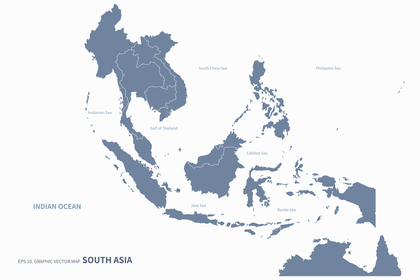
The foreign ministers of the Quad countries meet for the first time in New York today even as the Indo-Pacific has turned into a keenly contested geopolitical arena. Some countries are offering to play a mediatory role while other triangular equations are also undergoing change. An analysis of some of the relationships at work here
 Courtesy: The Hindu
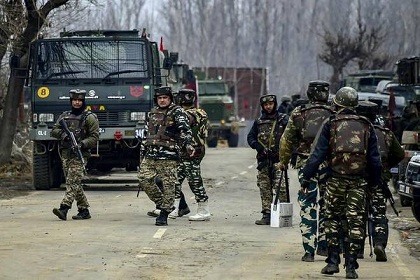
India has used military and diplomatic offensives against Pakistan as a response to the February 14 terrorist attack in Pulwama, Jammu and Kashmir. There are two more options available - legal, through sanctions, and economic - to curb Pakistan's dangerous adventurism. Gateway House explores both in the infographic below
 Courtesy: Radio Farda
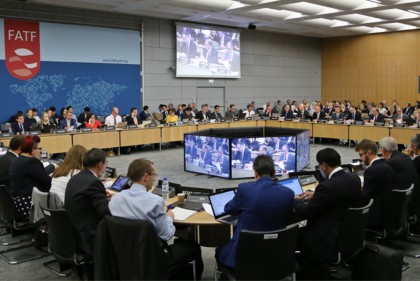
After the Pulwama attack of 14 February 2019, Pakistan has come under the international scanner for its support and financing of terrorist groups. At a meeting of the Financial Action Task Force (FATF) in Paris last week, it was pulled up for its inability to choke terrorist financing. This primer illustrates the role of the FATF in tackling terrorist financing and money-laundering, and studies its recent review of Pakistan
 Courtesy: India Times
The recent opening of the Kartarpur corridor in Punjab and the release of a Canadian parliamentary report on the security breach during Prime Minister Justin Trudeau’s India visit are important developments. They present a good opportunity for New Delhi to step up cooperation with Ottawa on countering terrorism and violent extremism
 Courtesy: Gateway House
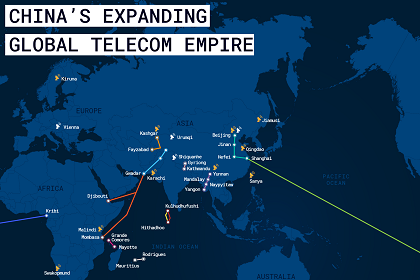
This version of the Gateway House Map on China’s Expanding Global Telecom Empire identifies some more telecommunication assets -- optic-fibre and satellite ground stations -- that Beijing is working on in South and Central America, Africa, Myanmar, the Indian Ocean Region and mainland China besides the existing ones, such as the Pakistan East Africa Cable Express (PEACE). It shows the direction China’s investment is taking, its diplomatic overtures and the larger geopolitical implications of its growing telecom empire
 Courtesy:
Gateway House is represented at the Nepal-India Think Tank Summit by our Fellow, National Security Studies and Director, Centre for International Security, Sameer Patil. The summit received wide coverage by the local press including a mention of Gateway House in Read more
 Courtesy: Rajya Sabha TV
Religious parties, some of them founded by anti-India terrorist groups, have dramatically risen to the fore in the Pakistan elections held this week. The 2018 polls mark a milestone as the military has enabled their entry into the political mainstream
 Courtesy: Gateway House
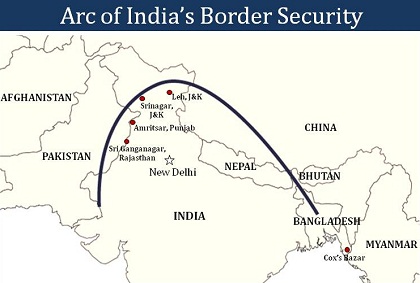
Border regions and communities, some of them far from the heartland, constitute India’s first line of defence, a critical link in its national security. India’s 15,000-km borders touch seven neighbouring countries: Afghanistan (abutting Gilgit), Pakistan, Nepal, Bhutan, China, Bangladesh, Myanmar. Border regions have their own local dynamics, often shaped by subnational and religious identities that do not necessarily align neatly with political borders. Some also serve as flourishing corridors for illegal smuggling of goods and humans. Technology plays an important role in better protecting borders, but in some cases it has made borders obsolete. Despite their importance, border regions do not receive the full attention of the Indian mainstream, except when border tensions arise.