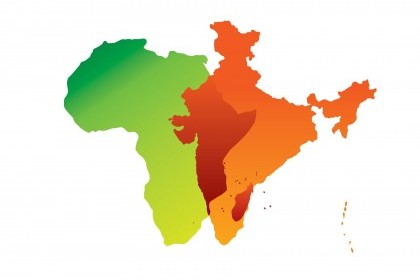
indiaAfricalLogo Courtesy: India Africa Forum Summit 2015
7 July 2016

India-Africa ties: pitching higher

Prime Minister Modi’s tour of four African countries will seek to build upon recent high-level visits to the continent, providing fresh impetus for the reinforcement of India-Africa relations in matters of diplomacy, business, security, and energy while putting to rest criticism of India’s visibility deficit in Africa. However, the onus to harness this momentum now lies with other stakeholders.
1042327973 Courtesy: Sputnik News
6 July 2016

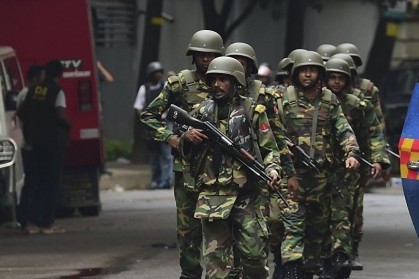
Terrorism in Bangladesh

The recent terror attacks in Dhaka, the capital of Bangladesh, turned the spotlight on the country’s increasingly violent and volatile political situation. The interplay of deep political divisions, the rise of radicalised student politics, religious extremism, which the government has failed to rein in, and the spread of trans-national terror networks has created a toxic cocktail in Bangladesh with dangerous implications for India.

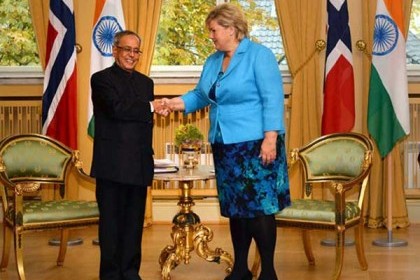
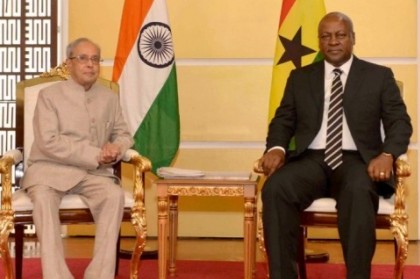
Pranab Mukherjee meeting the President of the Republic of Ghana_122907 Courtesy: The First Mail
30 June 2016

A new trajectory for India-Africa ties

India now sees Africa as a promising market for Indian goods, services, and investments. This is evident in the government’s recent concerted focus on the India-Africa relationship—high profile visits by top leaders to African countries, a recasting of India’s development diplomacy, and an attempt to match action to past promises

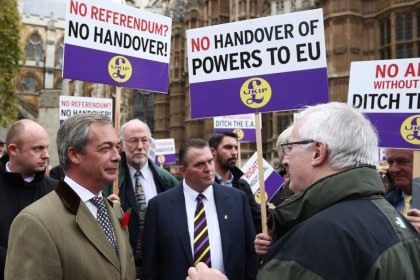
ukip-eu-protest-5 Courtesy: Business Insider
24 June 2016

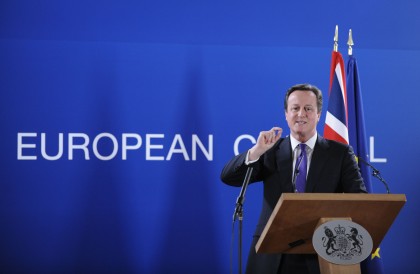
Brexit: a wake-up call for global elites

The message from Brexit is simple: the post-second world war financial, trade and industrial order and security arrangements that developed around Bretton Woods, have passed their expiry date. This is the time for countries, regional unions and global institutions to reform themselves – putting people instead of regulations and strategic objectives at the centre of their decision-making.

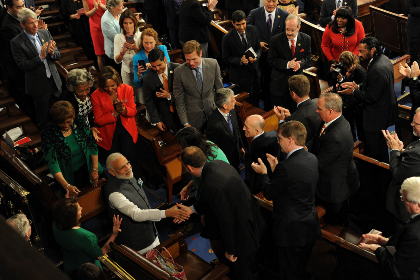
screenshot Modi US Congress Courtesy: MEA / Flickr
23 June 2016

India-U.S.: not yet a priority partner

Prime Minister Narendra Modi's fourth visit to the United States has been met with hails of success and with comments of 'too little, too late'. While Modi's friendship with President Obama is often credited for improving bilateral relations, the U.S. leader is currently nearing the end of his term. The new President will have their own geopolitical demands, which will invariably result in India being relegated to a second-term priority.

IMG_2283 Courtesy: Manjeet Kripalani
2 June 2016

The sanctioned, sleeping beauties awake

The crippling effect of American sanctions are thorough; designed to strangle economies and bring entire nations to a halt. However, they unknowingly pull people together, imparting a deep sense of patriotism and often sparking innovation which can quickly surpass any other world power. With sanctions being lifted on nations like Myanmar, Iran and, hopefully, Cuba, the question remains whether they will retain their uniqueness or fall into line with the rest?

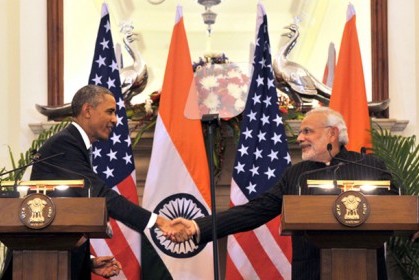
modiobama Courtesy: Wikipedia
29 May 2016

Modi in the U.S.: a changed landscape

Prime Minister Modi’s skills will be tested on his upcoming visit to the United States. The challenge comes in light of recent anti-India sentiments voiced at a U.S. Senate Foreign Relations Committee hearing. With Modi set to address a joint session of the U.S. Congress, this is an opportunity to address all concerns, be it on policy or polity.

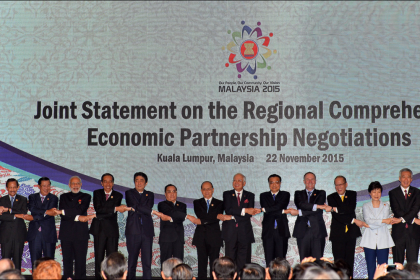
modi RCEP Courtesy: MEA / Flickr
26 May 2016

India’s five-cornered trade strategy

Five rather unfavourable trends define India’s trade performance over the past two years; these trends also provide useful pointers as to where India’s future trade strategy can go over the next three years as it deals with a global economic slowdown, the rise of megatrade agreements and a pivot to a more intensive trade relation with the U.S.