G7GS Courtesy: telegraphindia.com
13 July 2022

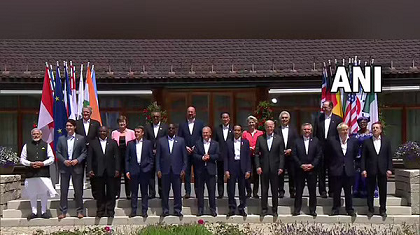
The G7 woos the global south

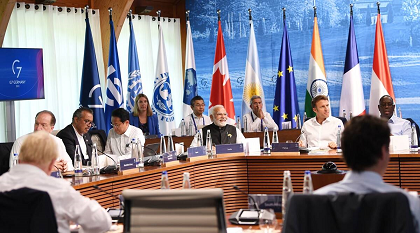
The G7 has reached out to emerging economies which have, of late, been facing challenges on the economic front, brought on by the lingering pandemic and the mismanagement of the Ukraine crisis. They are also seeking, from the global south, a broader acceptance of their world view. Will it be forthcoming?
srinagar1 Courtesy: iStock Images
5 July 2022

G20 positioning from Srinagar?

Holding one of the G20 meetings in Jammu and Kashmir is a bold, audacious and timely move. It is possible because of the ceasefire along the Line of Control which has been holding since February 25, 2021. The new geopolitical setting offers India an opportunity to diplomatically disdain the Chinese, camping not too far away in the un-demarcated border areas with India.

G7s1 Courtesy: The Print
4 July 2022

What did the G7 achieve?

The shadow of the Ukrainian war was visible at the G7 summit. Anti-Russian formations were expected, but the extensive reference to China drew attention. The leaders did their part by extensively discussing challenges relating to climate, energy, environment, health, and food security. It is now for the G7 governments to deliver, to be taken seriously.

7396fefe-aba2-49fe-a3e5-33b8cea9ebf1 Courtesy: WWF
30 June 2022

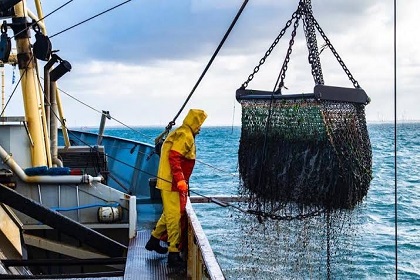
Can the WTO Agreement Stop Unsustainable Fishing?

Hailed as historic, the new global rules to curb harmful fishing subsidies is a step towards sustainable fishery practices. The negotiated deal, however, is fraught with concerns over overcapacity in fisheries, deep-sea fishing legislations, and blue finance. It may be better for developing countries to formulate their own regulations and set up mechanisms to prevent illegal fishing within their territorial waters – and hold the WTO agreement to its word.

brics-2 Courtesy: oneindia.com
30 June 2022

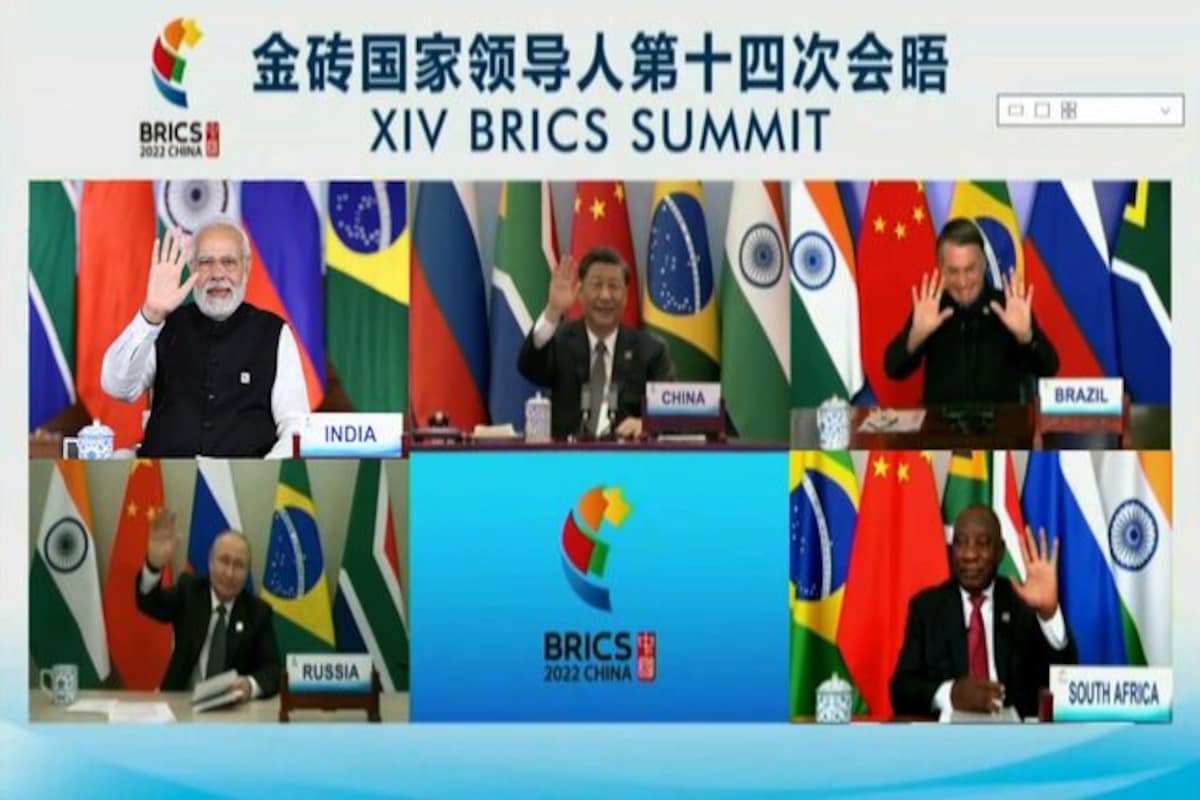
BRICS – the rhetoric and the reality

The Galwan crisis, pandemic and the Ukrainian war have weakened the BRICS’ credibility, a forum that has played a pivotal role in articulating the case for reformed multilateralism. Beyond grandiose rhetoric and vested interests, these five nations need to first infuse the grouping with internal solidarity and enhance mutual trust for peace, stability and prosperity in the Global South.

indian-navy-1-620x400-1 Courtesy: Financial Express
22 June 2022

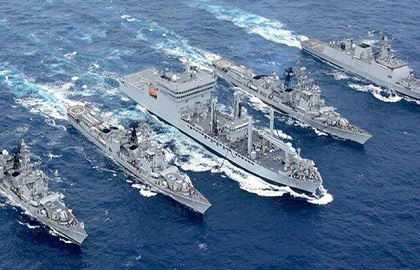
Extending India’s Maritime Security Strategy

Great power competition in the Indo-Pacific is a concern for regional powers. India’s maritime security strategy has adapted to this geo-political change, and is moving from acting as a balancing power, to a leading force in the region. India is a near, yet non-resident power, and has a strategy for providing stability, prosperity, and security in the Indo-Pacific and Indian Ocean regions.

Maktoum-Modi INDIANS BUILD THE UAE Courtesy: Twitter : Narendra Modi
14 June 2022

Indians in the development of the UAE

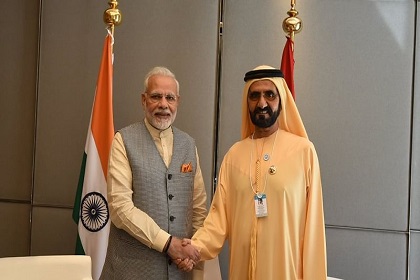
Indians are the largest expatriate community in the United Arab Emirates (UAE). Their contribution to building that nation is being celebrated this year, which is also the UAE’s golden jubilee year. Cultural fluency built on centuries-old trade and migration makes it easier for Indians and Gulf Arabs to collaborate.

Rwanda_refugees_pic._1 Courtesy: TIME Magazine
13 June 2022

The trouble with Europe outsourcing asylum

The attempts of responsibility-transfer of asylum-processing and refugee-protection by the UK and Denmark to Rwanda, reflect a fundamental shift from the conventional principle of territorial asylum and set an undesirable precedent. Deporting the vulnerable to countries with perpetual internal socio-political and economic issues and inadequate asylum infrastructure, will gravely compromise their safety, welfare, human rights and benefit claims as refugees.

renergy crisis photo Courtesy: Economic Times
26 May 2022

India in the global commodity shock

The warning signs were visible long before the Ukraine conflict. Years of insufficient investment into oil and gas production resulted in high price, and shortages. With investors keeping away from traditional fuels, the conflict in Ukraine precipitated the inevitable. Energy-dependent India must now insulate its supply chains.