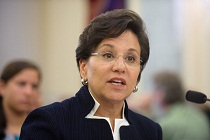
Pritzker: pragmatic dealmaker?
Penny Pritzker, U.S. commerce secretary is the new element in the India-U.S. bilateral dialogue. Her business skills have brought a shine to her ministry at home and perhaps she can have the same effect in Delhi

 Courtesy: Commerce department\US govt
Penny Pritzker, U.S. commerce secretary is the new element in the India-U.S. bilateral dialogue. Her business skills have brought a shine to her ministry at home and perhaps she can have the same effect in Delhi
 Courtesy: U.S. Navy photo/Journalist 1st Class Todd Macdonald
India’s invitation and the subsequent participation of the Japanese navy in the Malabar 2014 exercise is a sign of the deepening of the political-security relationship between India and Japan. However, an actual fruition of the potential requires both the administrations to be more flexible, especially on the nuclear deal and defence purchases
 Courtesy: IBtimes.com
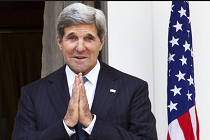
On the eve of his departure to India for the fifth India-U.S Strategic Dialogue, U.S. Secretary of State John Kerry outlined a roadmap of partnership between the two countries. While mentioning some of the ongoing concerns of the U.S government, he said this was a moment to chart a new course in the bilateral relationship
 Courtesy: wikipedia\commons
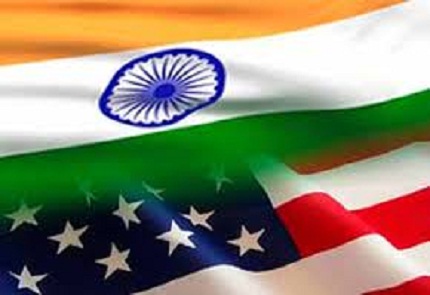
Four years ago, U.S. President Barack Obama announced that the India -U.S. relationship would be "one of the defining partnerships of the 21st century". However the relationship hasn’t matched up to the rhetoric and bilateral ties hit a low in 2013. Forthcoming high profile engagements between the two suggest the tide might be changing
 Courtesy: RT.com
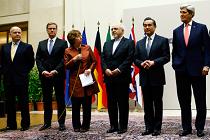
Talks are on in Vienna between Iran and the P5+1 to reach a settlement on Iran’s nuclear programme. The self-imposed deadline expires on July 20. However, with the U.S. insisting that Iran cut back on operational centrifuges any possibility of a comprehensive solution in the near future seems remote
 Courtesy: Jnn13/Wikimedia Commons
The U.S. has not yet appointed a new ambassador to India. But this absence of urgency is less a ‘signal’ to India and more a result of factors such as a backlog of appointments awaiting approval in the Senate and candidates unwilling to accept the post only for the remaining period of the Obama administration
Professor Madhav Nalapat, the director of the School of Geopolitics at Manipal University talks of the Wahhabi winter sweeping West Asia. In an interview to Manjeet Kripalani, Co-founder, Gateway House, he speaks of the need to include regional experts and religious leaders to deal with its impact on India
 Courtesy: MEA/Indian Embassy Thimphu
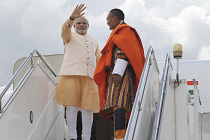
Narendra Modi’s first month in office has seen him deftly handle India’s neighbours, accept an invitation to visit Washington, enhance relations with Bhutan and accord due importance to China. In the same manner, Modi will also have to move quickly and firmly to reassure foreign investors of the dependability of India’s fiscal environment
 Courtesy: wikimediacommons
Even small Indian IT companies have managed to succeed in the Latin American market. Understanding the local culture is one of the main keys to success as illustrated in the case of Mann India Technologies, which was one of the earliest Indian entrants in the Latin American IT market.
 Courtesy: India.com
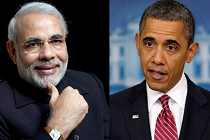
As the U.S. prepares to leave Afghanistan and refocus on Europe, geopolitical configurations are set to change. India’s new prime minister Narendra Modi’s pragmatism—evident in his acceptance this week of Obama’s invitation to visit the U.S.—will be an asset in rebuilding bilateral ties in this evolving global order