Moody’s China verdict
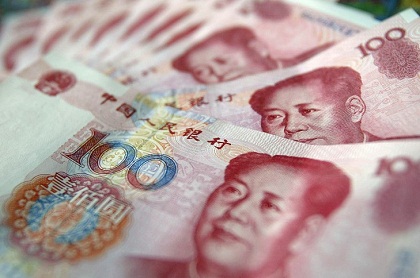
This is the first time in 30 years that Moody’s has made a change in China’s rating. Coming close on the heels of the high-profile Belt and Road Forum, this was an embarrassment that was avoidable

 Courtesy: Viva100
This is the first time in 30 years that Moody’s has made a change in China’s rating. Coming close on the heels of the high-profile Belt and Road Forum, this was an embarrassment that was avoidable
 Courtesy: MEA/ Flickr
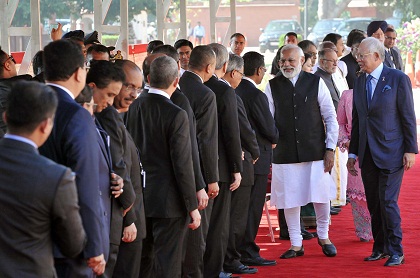
India views its ties with Malaysia as a core element of its Act East Policy, while the Malaysian leadership has taken note of India’s geopolitical importance and the many attractions of its market Both nations share a strong commitment to multiculturalism, democracy and inclusive development
 Courtesy: AFP
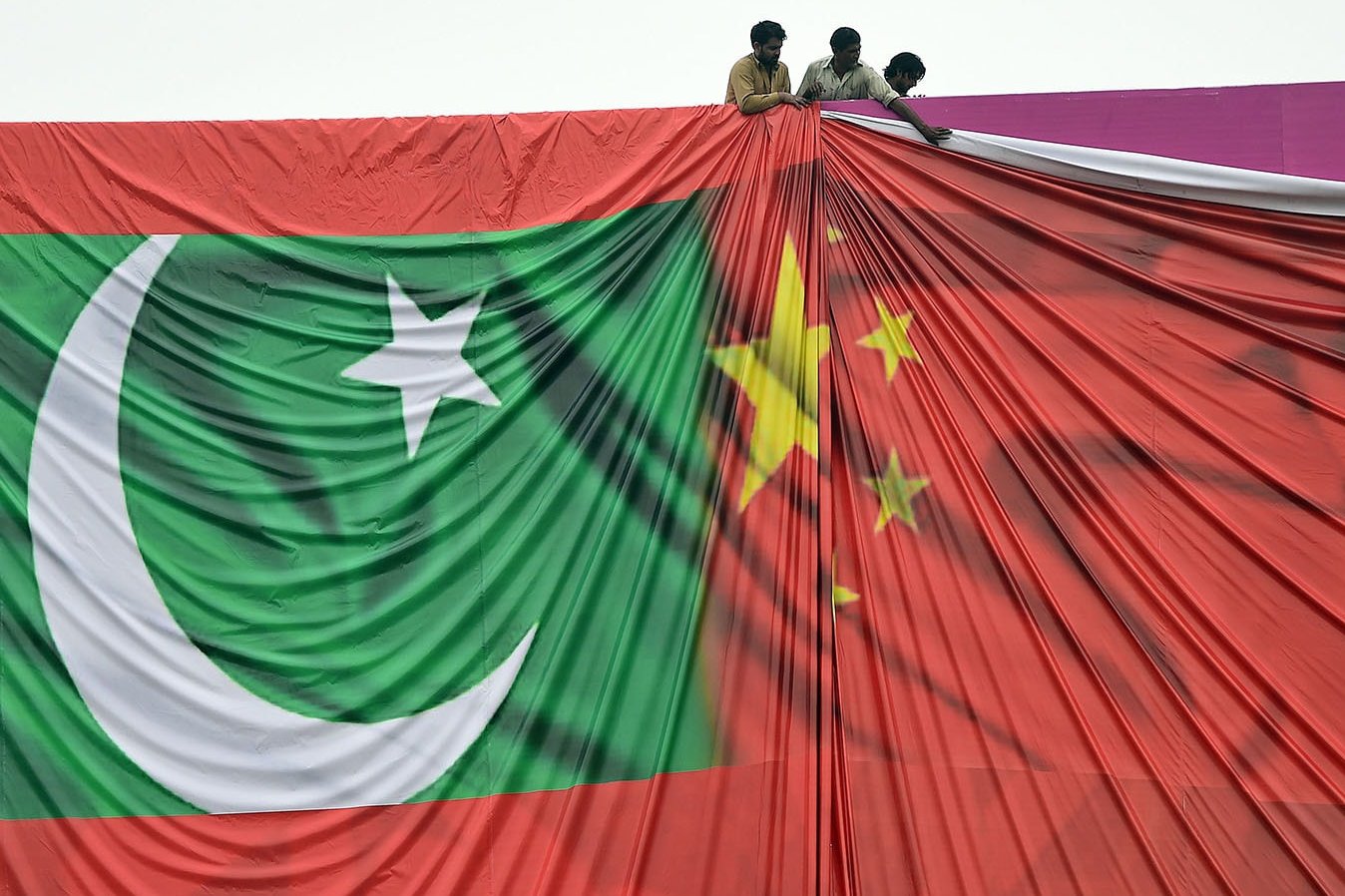
The Indian government must be commended for staying away from the Belt & Road Forum in Beijing this week on the basis of principled objections. However, the forum has robust global participation – 30 heads of state attended the meeting, as did the chiefs of the UN, World Bank and International Monetary Fund (IMF). India was the only country in the world that was invited, but refused to participate
 Courtesy: Wikimedia
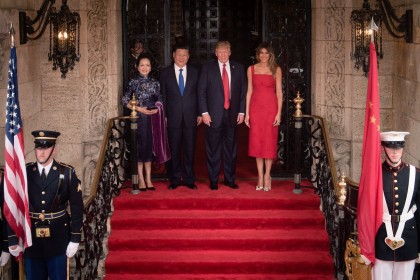
China is coming in from a position of strength to challenge American primacy in the Asia-Pacific, and the Trump administration needs to abjure the hopeful, hesitant approach of its predecessors
 Courtesy: Wikipedia/ Gateway House
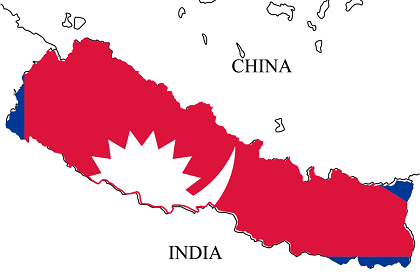
Nepal, currently one of the 21st century’s important locations in Asia, has to safeguard itself by its own initiative, not rely on guarantees from external actors. The authors, one of whom is a former minister of the country, suggest that a changed world order calls for more modern security forces and an independent defense policy
 Courtesy: Pixabay
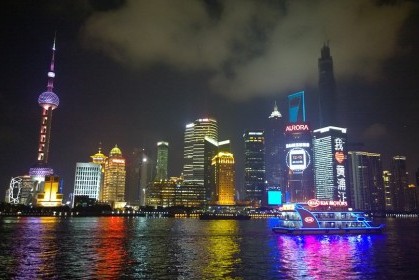
An opportunity to be a part of a recent think tank delegation to China offered the author insight into China’s foreign policy, development plans and issues affecting the India-China bilateral relationship. Gaps in perception that keep both countries apart must be bridged for them to leverage their emerging positions in Asia and the world
 Courtesy: Wikimedia Commons
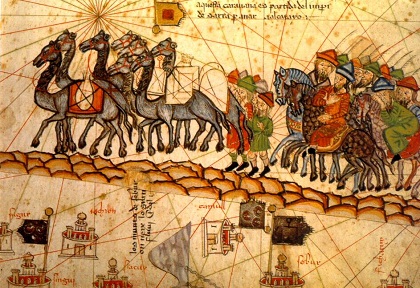
China’s resurrection of the ancient Silk Road is ambitious, sprawling, hegemonic. Its pre-European origins, though, lay in a criss-crossing of nameless caravan routes on which Indian cotton was traded as vigorously as Chinese silk, tangible proof of the interdependence of two ancient civilisations over two millennia
 Courtesy: MEA/ Flickr
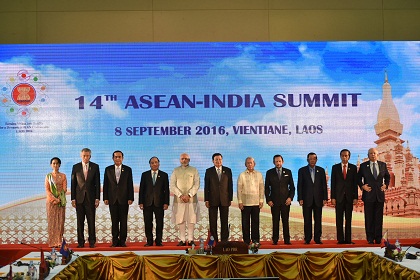
The Indo-Pacific region is home to some of the largest and most rapidly growing economies as also powerful military forces. Nuclear threats, international terrorism and climate change are some of the issues that define the region. Uncertainty dogs relations among the four nations in the top league—U.S., China, India and Japan—but what is emerging is a hawkish, policy stance from the U.S. as opposed to an isolationist outlook apprehended earlier
 Courtesy: MEA/Flickr
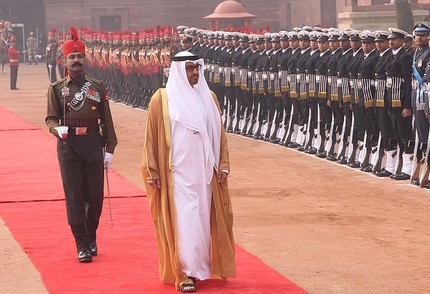
The West Asian monarchies are being forced to ‘look East’ due to a range of factors: the rise of the Islamic State, their need to boost falling oil revenues and doubts about the United States continuing to remain a guarantor of regional stability. Quite coterminously, India is looking towards the Gulf for energy security besides fulfilling other geostrategic goals: this is an ‘East’ and ‘West’ where the ‘twain will meet
 Courtesy: Gateway House
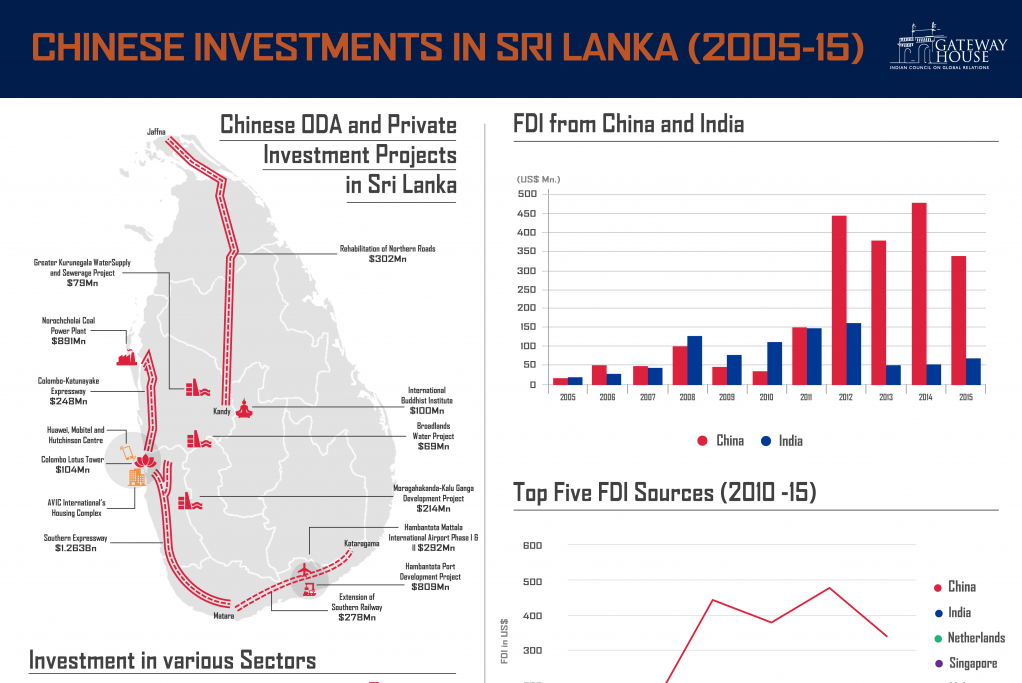
China is the largest investor in Sri Lanka today, with funding and investment of nearly $15 billion. Gateway House tracks the Chinese money trail to Sri Lanka-- where it lands, where it stays--and assesses its depth. This is the second in the Gateway House Series on Chinese investments in South Asia.