Why falling stock prices make China nervous?
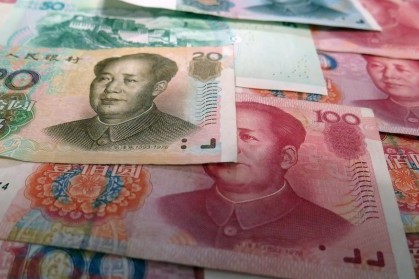
China’s stock market has tanked over 20% in January 2015. More than the fall in the stock market, it is the reaction of the Chinese authorities that suggests bigger problems.

 Courtesy: Pixabay
China’s stock market has tanked over 20% in January 2015. More than the fall in the stock market, it is the reaction of the Chinese authorities that suggests bigger problems.
 Courtesy: Wikipedia
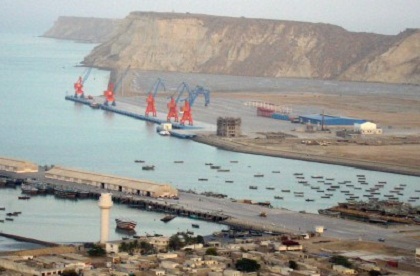
Is China actively building up its maritime presence in the Arabian Sea, to dominate vital sea lanes and perhaps encircle India with a chain of naval bases? There can be little doubt that China views Gwadar as a potentially useful asset. China, however, will know better than anyone that Gwadar has two considerable limitations.
 Courtesy: Wikipedia
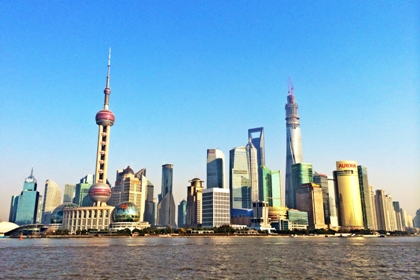
Low GDP growth numbers and the tumbling Shanghai Composite are not enough to judge China’s economic management strategy. It is the long-term, structural, and geoeconomic challenges that will determine the country’s economic future
 Courtesy: Pixabay
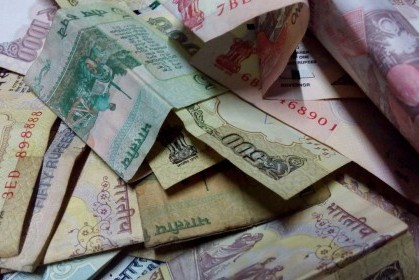
India’s merchandise exports have now contracted for 13 months in a row, reflecting the global slowdown and impact of China’s economic recalibration. But, therein lay new opportunities and challenges for India’s economic diplomacy
 Courtesy: MEA / Flickr
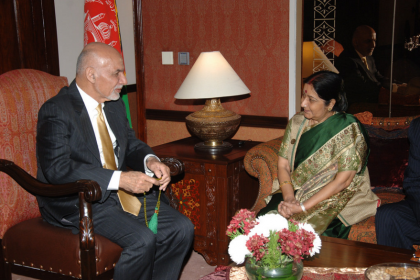
If India enters the Afghanistan-Pakistan Trade and Transit Agreement, as external affairs minister Sushma Swaraj said at conference in Islamabad in December, it will boost regional trade and connectivity—both priorities of the Modi government. But Pakistan stridently opposes India’s entry into the agreement. What are the alternatives?
 Courtesy: Lexington Books
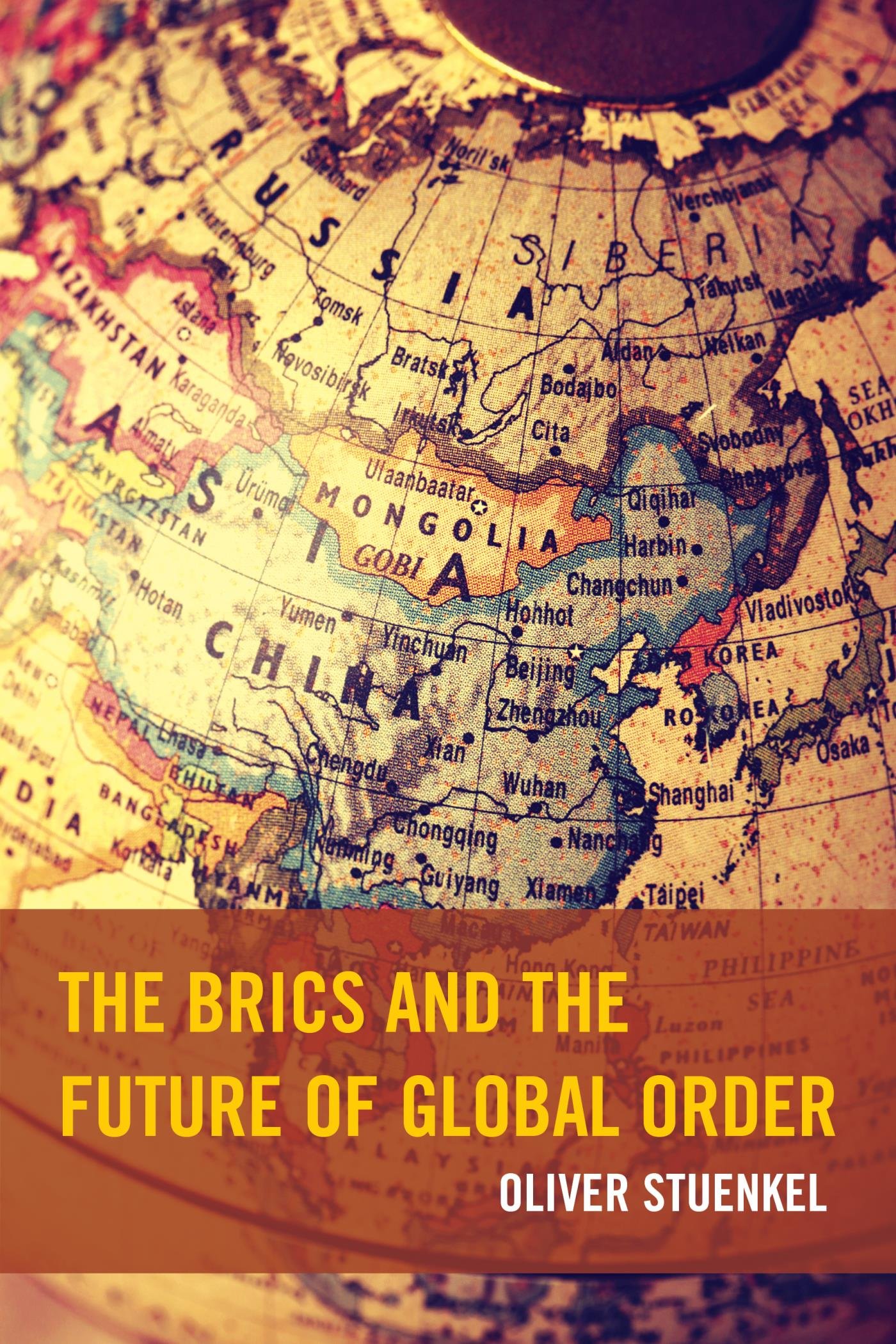
Oliver Stuenkel's book provides a well-researched account of the evolution of BRICS – starting from the forum’s inception in 2009 to the present – and the interactions between Brazil, Russia, India, China and South Africa on global issues.
 Courtesy: Victor Dubreuil / Wikipedia
The GCC finds itself engulfed by a perfect storm – due to the oil price fall and the re-emergence of Iran on the world scene. While the GCC is forced to undertake politically challenging reforms and confront the regional challenge of Iran, there lies a great opportunity for India to strengthen their economic as well as security ties.
 Courtesy: pixabay
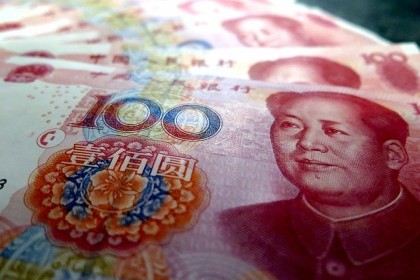
The Chinese Renminbi is now the first in the developing world to find a place in IMF’s basket of reserve currencies. But the road to its inclusion becoming effective is still almost a year away. In this time, China will likely further integrate its currency with global markets
 Courtesy: ustr.gov
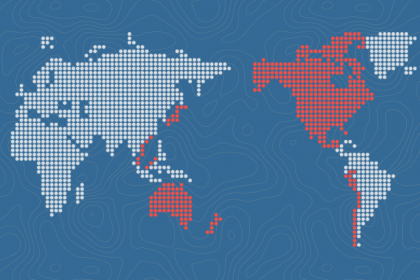
The U.S.-driven Trans Pacific Partnership agreement between 12 countries, which is aiming to become the new standard of world trade, impacts domestic systems globally. For India, it will skew investment and intellectual property rights, and especially the debate over the Investor State Dispute System which allows companies to challenge sovereign rights and public policy.
 Courtesy: Presidencia Ecuador / Flickr
The Ecuadorian president’s first-ever state visit to India this month was cancelled, possibly because four of seven helicopters supplied by HAL to Ecuador have crashed. But this hurdle can be overcome, and ties between the two countries can expand beyond defence and oil to sectors such as pharma, IT, and agribusiness.