Securing India's energy needs Courtesy: Shutterstock
8 July 2021

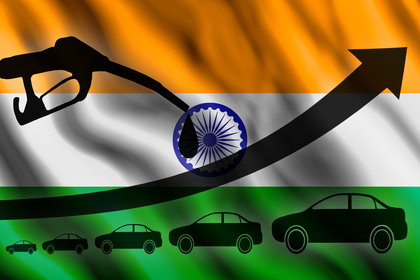
Securing India’s energy needs

India’s oil consumption and imports are likely to resume their upward trajectory as the economy opens up, after a temporary drop due to the pandemic. To secure its energy needs, the country should shift course from investing in oil and gas assets of emerging economies to those of developed nations. The oil-rich Organisation for Economic Co-operation and Development (OECD) countries, such as Canada, Norway, and the U.S. can be given special consideration.
49012249412_d8b02bb141_c Courtesy: MEA/Flickr
7 November 2019

Goodbye, RCEP

There have been mixed reactions to India’s not signing on to the Regional Comprehensive Economic Partnership. India is often criticised for abstaining from trade agreements and being a protectionist nation, but in fact, the reverse is true. The country’s trade to GDP ratio of 43% is higher than China’s 38% and the U.S.’ 27%. This shows how important trade is for India, particularly if it wants to reach the 2024 goal of being a $5- trillion economy.

32015837878_7c9f57e917_o Courtesy: MEA/Flickr
29 November 2018

ASEAN-India Connectivity

The following remarks were given by Ambassador Rajiv Bhatia, Distinguished Fellow, Foreign Policy Studies, Gateway House as a speaker at the ASEAN-India Business Summit on November 27, 2018.

39886955481_b6d420f879_o Courtesy: MEA/ Flickr
14 September 2018

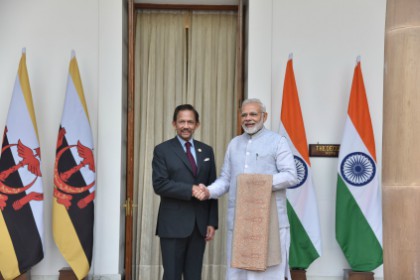
Brunei, ASEAN’s quiet, cautious player

India and Brunei have a 34-year-old diplomatic relationship; but as yet no Indian president or prime minister has paid the country a bilateral visit to strengthen these ties. The strategically-located nation is rich in its history, with a unique political system. Its foreign policy approach is non-controversial, yet noticeably pragmatic.

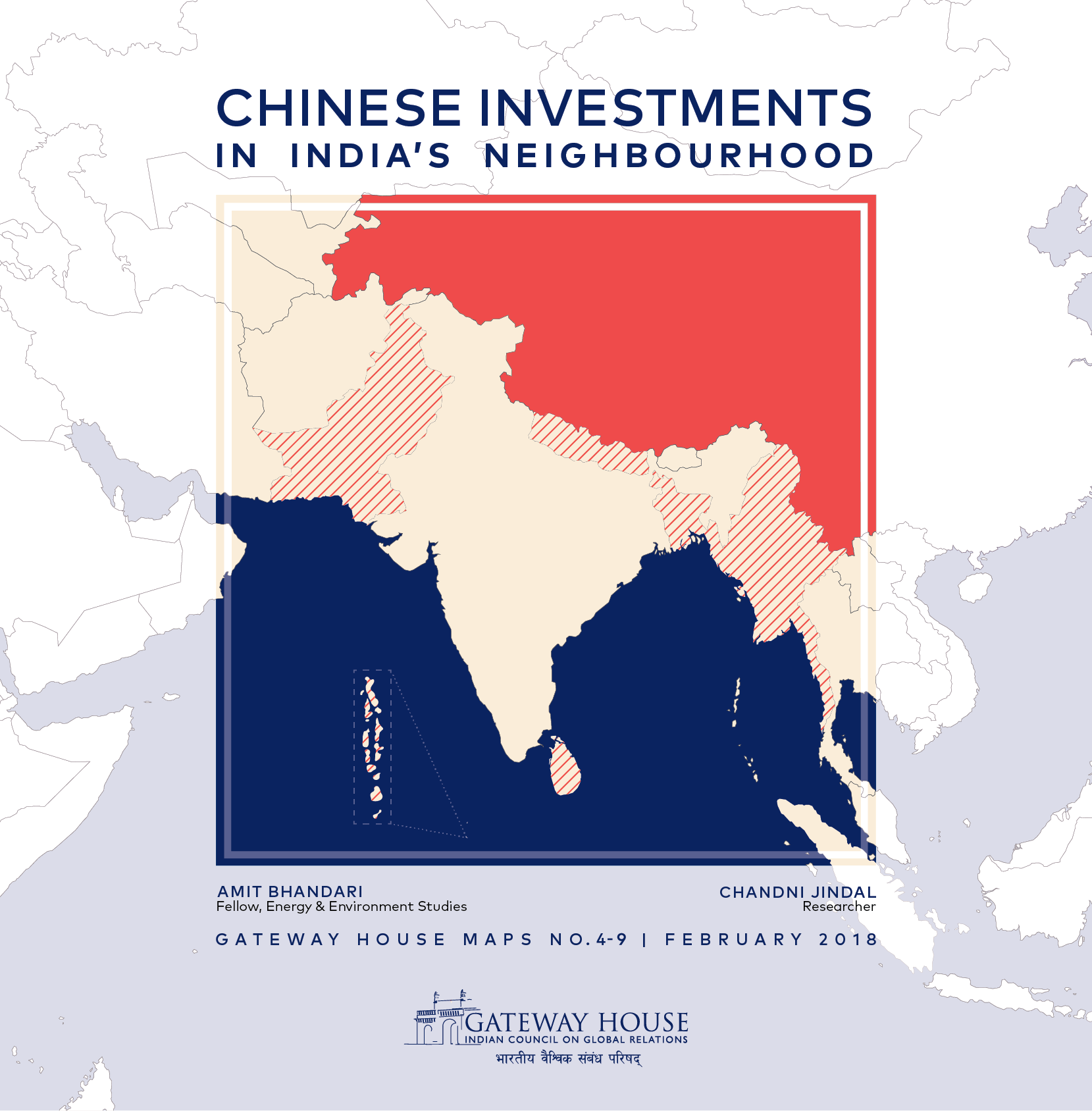
Gateway House's research on Chinese investments in India's Neighbourhood. Researched by Amit Bhandari and Chandni Jindal. Courtesy: Gateway House
12 March 2018

Chinese Investments in India’s Neighbourhood

India and the world have watched China’s growing investment in Asia and beyond with a mix of awe and apprehension. The unprecedented scale of these investments are reshaping political arrangements around South Asia.

37019468915_3c74a9c724_o Courtesy: Government of South Africa/ Flickr
25 January 2018

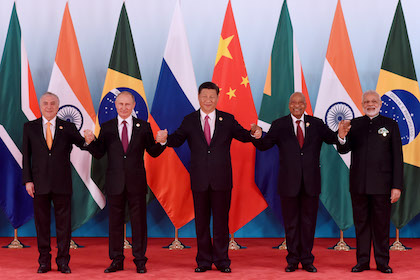
South Africa leads BRICS, IORA in 2018

Internal political constraints dog it currently, but if overcome, South Africa can be a good chairman to BRICS and IORA in 2018. It also has a tough balancing act to perform between two great Asian powers, China and India

IMG_2283 Courtesy: Manjeet Kripalani
2 June 2016

The sanctioned, sleeping beauties awake

The crippling effect of American sanctions are thorough; designed to strangle economies and bring entire nations to a halt. However, they unknowingly pull people together, imparting a deep sense of patriotism and often sparking innovation which can quickly surpass any other world power. With sanctions being lifted on nations like Myanmar, Iran and, hopefully, Cuba, the question remains whether they will retain their uniqueness or fall into line with the rest?

Modi Asean Courtesy:
12 May 2016

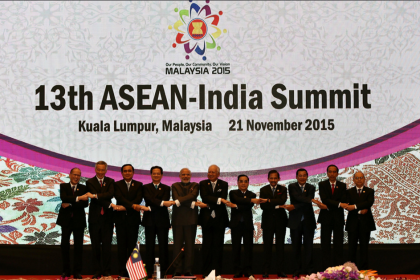
India’s Act East Policy so far and beyond

In two years, the Modi government’s Act East Policy has gone well beyond the focus on economic ties of its predecessor, the Look East Policy. It has made progress on many wider fronts, including connectivity and defence collaboration. India must now build on this success and further consolidate relations and trade links with ASEAN and beyond