Prime Minister Narendra Modi’s visit to Japan is significant for India domestically and its extended Asian influence. His visit, just prior to the SCO Summit in China, represents a shrewd endeavour at balancing the several priorities of Indian foreign policy
The G20’s current cycle is unique, with four Global South nations presiding consecutively: Indonesia, India, Brazil, and now South Africa. Brazil’s 2023-24 presidency exhibited both achievements and struggles, prioritising social inclusion, hunger, energy transition, and governance reform. The handover to South Africa marks a significant milestone in G20 history. Will the momentum be followed by the U.S., the next G20 president but also a G20 sceptic?
There was much at stake for the U.S.-Russia summit at Alaska – more than just the future of Ukraine. It will put the world back on economic track, and ease East-West relations, under stress for an on-going tariff war. For now, diplomacy has played a successful hand.
India-U.S. trade negotiations have faltered. India stepped outside its comfort zone to offer zero tariffs on industrial goods that form 40% of U.S. exports to India, but the additional 25% tariffs have rendered most Indian exports noncompetitive. Only a carefully balanced, incremental negotiating framework blending economic pragmatism with protection of core domestic interests backed by political will, stands a realistic chance of bridging the current impasse.
Most multilateral and plurilateral institutions have lost their significance and ability to shape the trajectory of international relations today. The G7 is no exception. It is impacted by the shift of power from the Atlantic to the Pacific, and an intra-Atlantic rift. The G7 discussions reflected this. More positive were the sideline discussions on repairing the India-Canada bilateral.
Canadian Prime Minister Carney can use the upcoming G7 summit he is hosting to advance the North-South dialogue and cooperation and also to discuss the strained bilateral with India. India can articulate the viewpoint of the Global South, stressing its conviction that the G7 is better served by constructively working with developing and emerging economies.
The proposed IMEC corridor connecting India to Europe through the Gulf can be transformative, helping to reduce risks to the global movement of goods and data. It’s early days yet, and there are gaps to be filled in terms of missing infrastructure and overcoming a diplomatic rift.
Over two centuries, the U.S. has amassed vast economic powers across the globe during and after the two World Wars , and sanctions slowly became an effective tool it used to achieve its foreign policy goals, becoming the global emperor of sanctions.
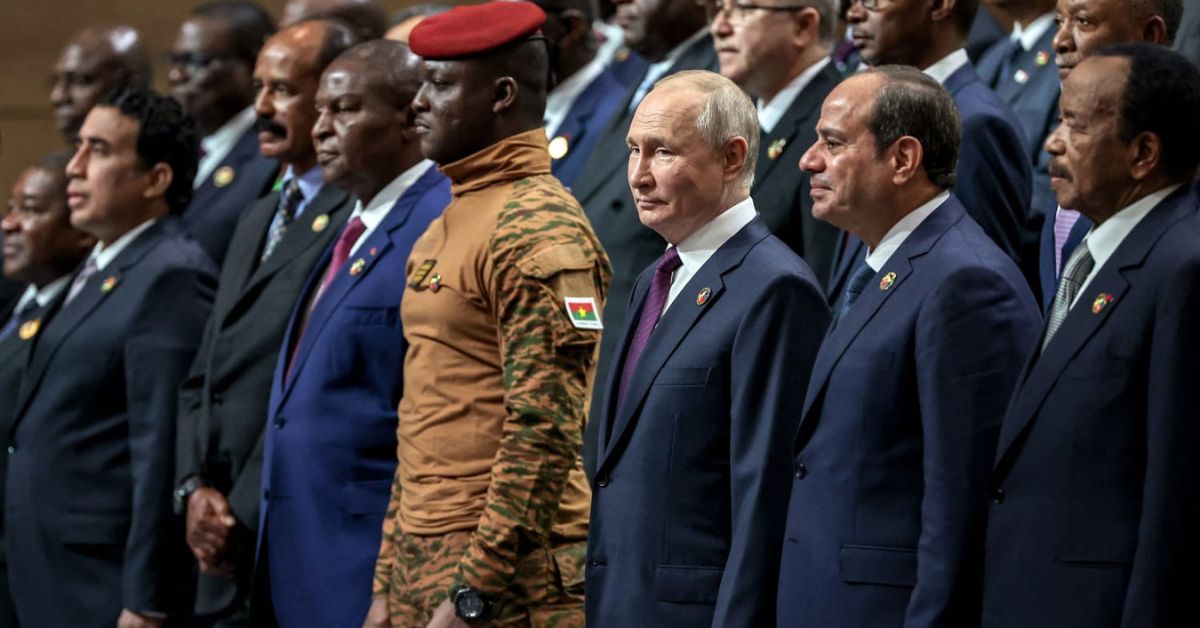
Since the Ukraine crisis, Russia has been positioning itself strategically in the African continent, strengthening bilateral ties and addressing regional security issues. It is leveraging economic, energy, agriculture and military ties and investments in order to be seen as serious a counterweight to the U.S. and the European Union’s presence in the continent.
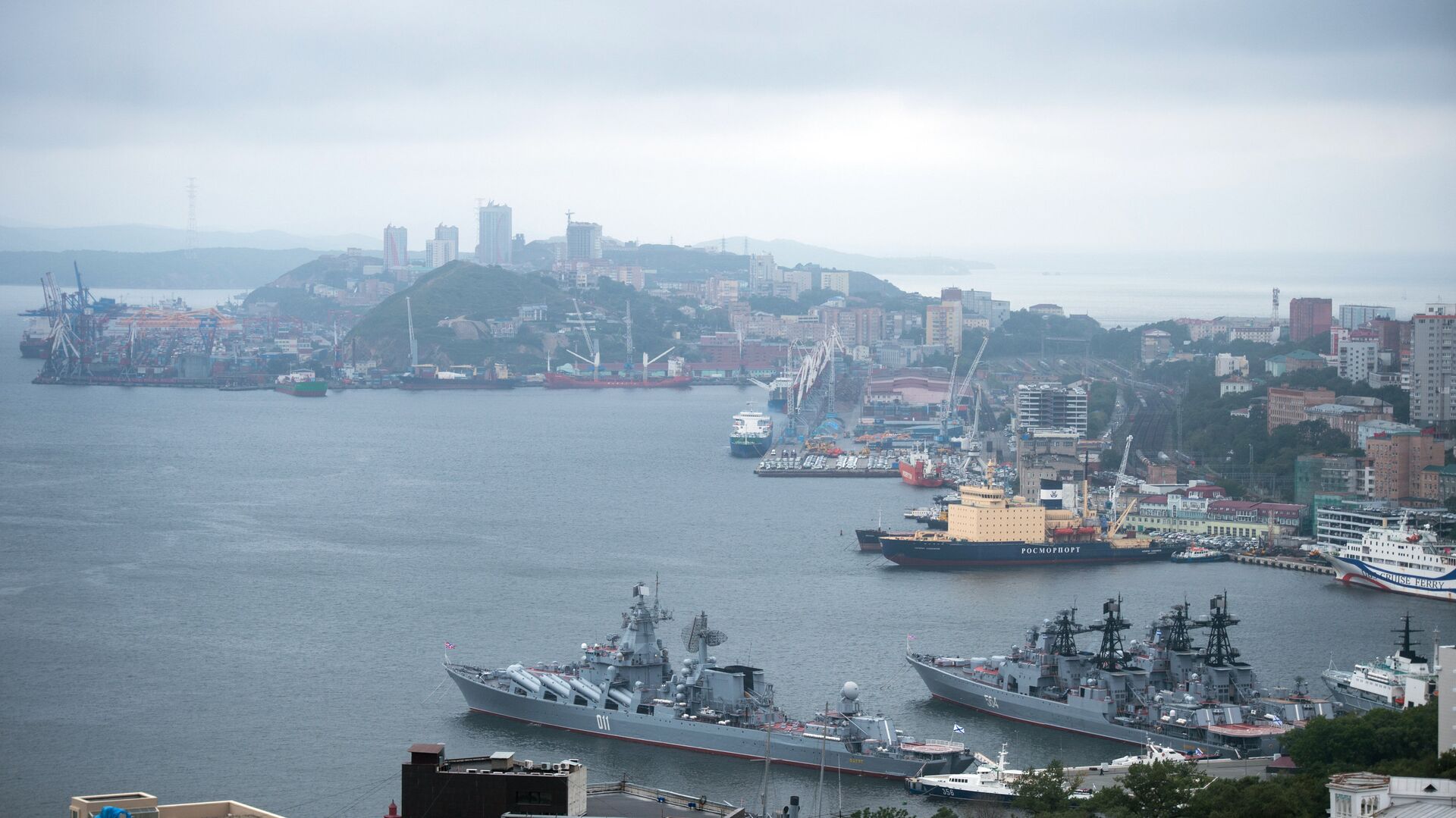
Tensions in West Asia have disrupted global shipping and revived interest in the Chennai-Vladivostok Eastern Maritime Corridor. Better freight and passenger connectivity between Southern India and Russia’s Far East will open new areas for bilateral cooperation such as the export of machinery, auto parts and engineering goods from India, and progressively integrate the economies of the two countries.