Imperatives of regulatory diplomacy
Regulations are the new focus of economic statecraft. Their increasing importance is reflected in the negotiations on global financial standards, plurilateral trading rules, and regional economic unions.

 Courtesy: Quartz
Regulations are the new focus of economic statecraft. Their increasing importance is reflected in the negotiations on global financial standards, plurilateral trading rules, and regional economic unions.
 Courtesy:
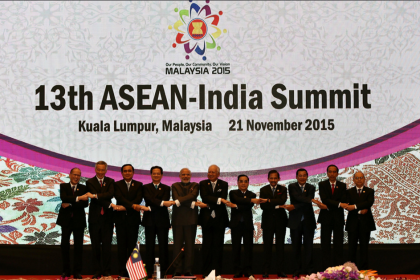
In two years, the Modi government’s Act East Policy has gone well beyond the focus on economic ties of its predecessor, the Look East Policy. It has made progress on many wider fronts, including connectivity and defence collaboration. India must now build on this success and further consolidate relations and trade links with ASEAN and beyond
 Courtesy: Wikipedia
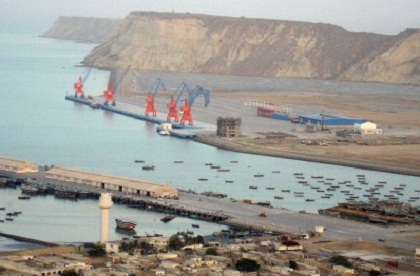
Is China actively building up its maritime presence in the Arabian Sea, to dominate vital sea lanes and perhaps encircle India with a chain of naval bases? There can be little doubt that China views Gwadar as a potentially useful asset. China, however, will know better than anyone that Gwadar has two considerable limitations.
 Courtesy: Wikipedia
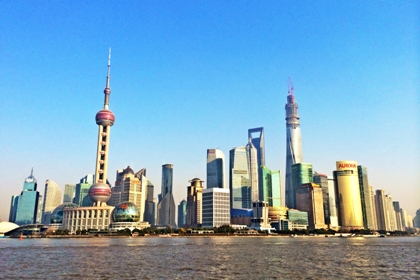
Low GDP growth numbers and the tumbling Shanghai Composite are not enough to judge China’s economic management strategy. It is the long-term, structural, and geoeconomic challenges that will determine the country’s economic future
 Courtesy: Pixabay
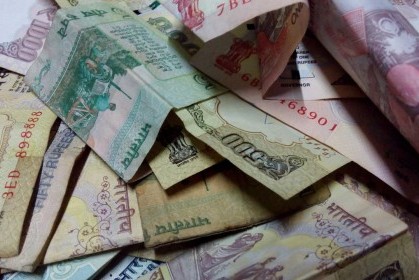
India’s merchandise exports have now contracted for 13 months in a row, reflecting the global slowdown and impact of China’s economic recalibration. But, therein lay new opportunities and challenges for India’s economic diplomacy
 Courtesy: ustr.gov
The U.S.-driven Trans Pacific Partnership agreement between 12 countries, which is aiming to become the new standard of world trade, impacts domestic systems globally. For India, it will skew investment and intellectual property rights, and especially the debate over the Investor State Dispute System which allows companies to challenge sovereign rights and public policy.
 Courtesy: Wikipedia
Although it is too soon to comprehensively analyse the Trans-Pacific Partnership agreement of October 5, it is worth assessing what is known. Here are the facts, the controversies, the assessments, and the implications for countries that are not part of the agreement, especially India.
 Courtesy: Wikimedia
The ‘One Belt, One Road’ initiative announced by China last year is being actively implemented at the provincial level. A recent conference in Lianyungang, Jiangsu province, provided a glimpse of China’s multi-pronged strategy to harness various resources available to make OBOR a success.
 Courtesy: Arun Sinha/Flickr
If, after nine years, BRICS remains a disparate grouping, and its trade and investment flows remain dismal, it is time to explore new avenues of cooperation to consolidate the alliance—and culture and education can provide the necessary cementing factor when combined with the New Development Bank
 Courtesy: Peter Craven/Wikipedia
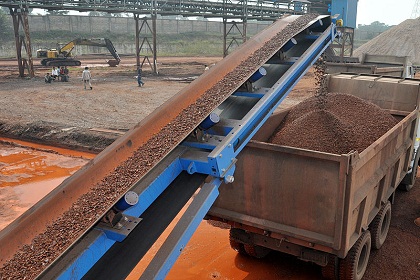
A distinguished Chinese scholar, speaking at a BRICS forum in Moscow recently, ascribed the growing India-China trade deficit to India’s ban on iron exports. While this contention is partially true, the data does not validate this argument, and nor does his view account for the other reasons for the deficit