Bangladesh: Frying Pan to Fire
Bangladesh’s economy has been in distress for some time and is not doing as well as assumed. This could have been one of the factors that drove the protests and the subsequent coup.

 Courtesy:
Bangladesh’s economy has been in distress for some time and is not doing as well as assumed. This could have been one of the factors that drove the protests and the subsequent coup.
 Courtesy:
On June 3, Claudia Sheinbaum made history by becoming the first woman elected President of Mexico. In terms of foreign policy and carving a geopolitical identity, this marks the beginning of a new stage of Mexican integration into the global agenda. It provides another dimension for international stability, including a revitalized Mexican perspective of the Middle East.
 Courtesy:
Recent changes in Belgian and EU tax law and regulation have resulted in some Antwerp-based Palanpuri Jain diamond traders shifting base to the newly booming Dubai diamond market. But Antwerp dominates the diamond business for this enterprising community, where 400 families continue to stay and use it as a gateway to the European market for diamonds cut and polished in Surat and Mumbai in India.
 Courtesy:
Asian nations like Sri Lanka have seen a rush of Russian and Ukrainian tourists over the last two years. They discover salubrious climes and overstay their visas to start small businesses. It has helped Sri Lanka boost tourism after its 2022 debt default but also created economic problems for locals. It is necessary to identify trade-offs between economic benefits and security threats associated with extended-stay tourism.
 Courtesy: World Trade Organisation
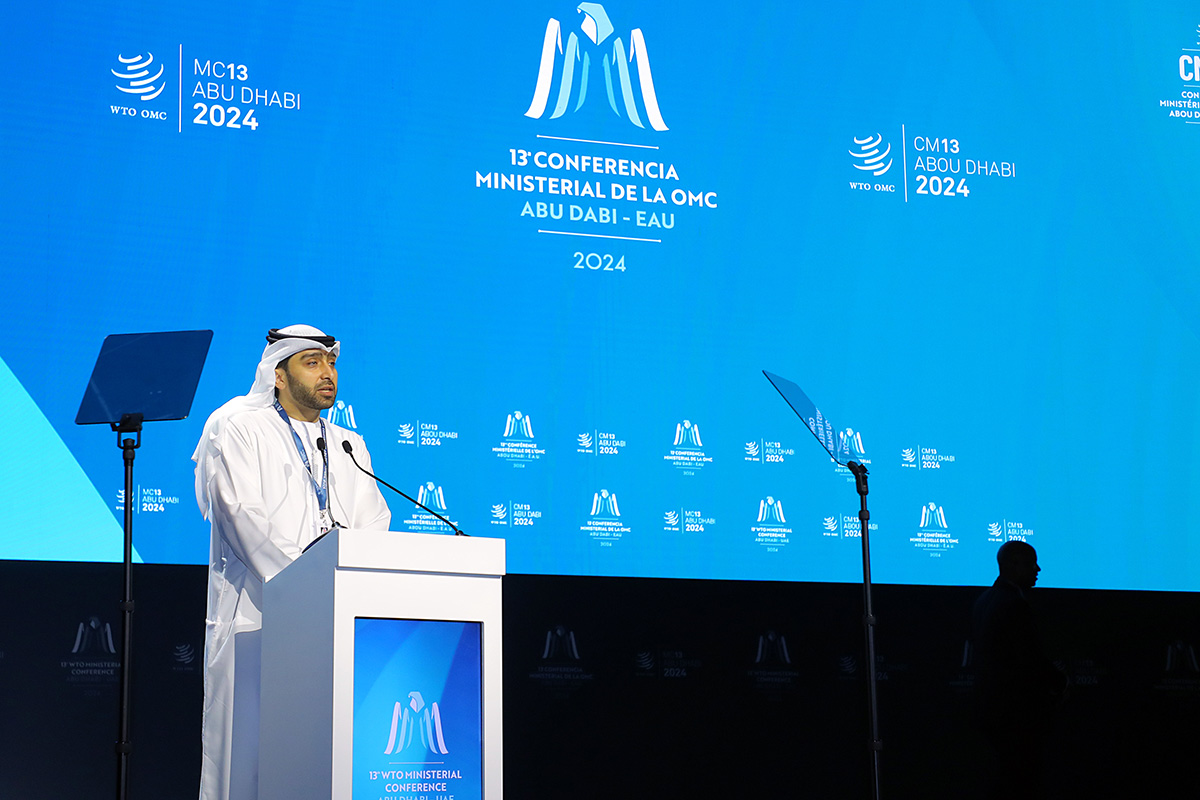
The ongoing WTO 13th Ministerial Conference in Abu Dhabi is a critical one. Apart from reform of the existing system, negotiations on e-commerce and digital trade should be finalized, as it represents the human capital of growing digital services economies in developing and developed countries. Cooperation will demonstrate that members can produce results and chart a constructive path for the WTO system.
 Courtesy: Hindustan Times
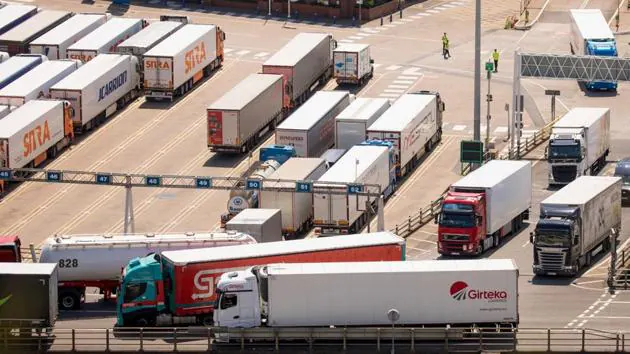
South Asia requires resilient and cost-effective regional supply chains. This can be achieved through Indian investment, fostering local linkages while reducing dependency on Chinese financing of regional partners. A new approach enhances India's regional influence, creating a win-win scenario for the entire South Asian neighbourhood in a changing global landscape.
 Courtesy: Reuters
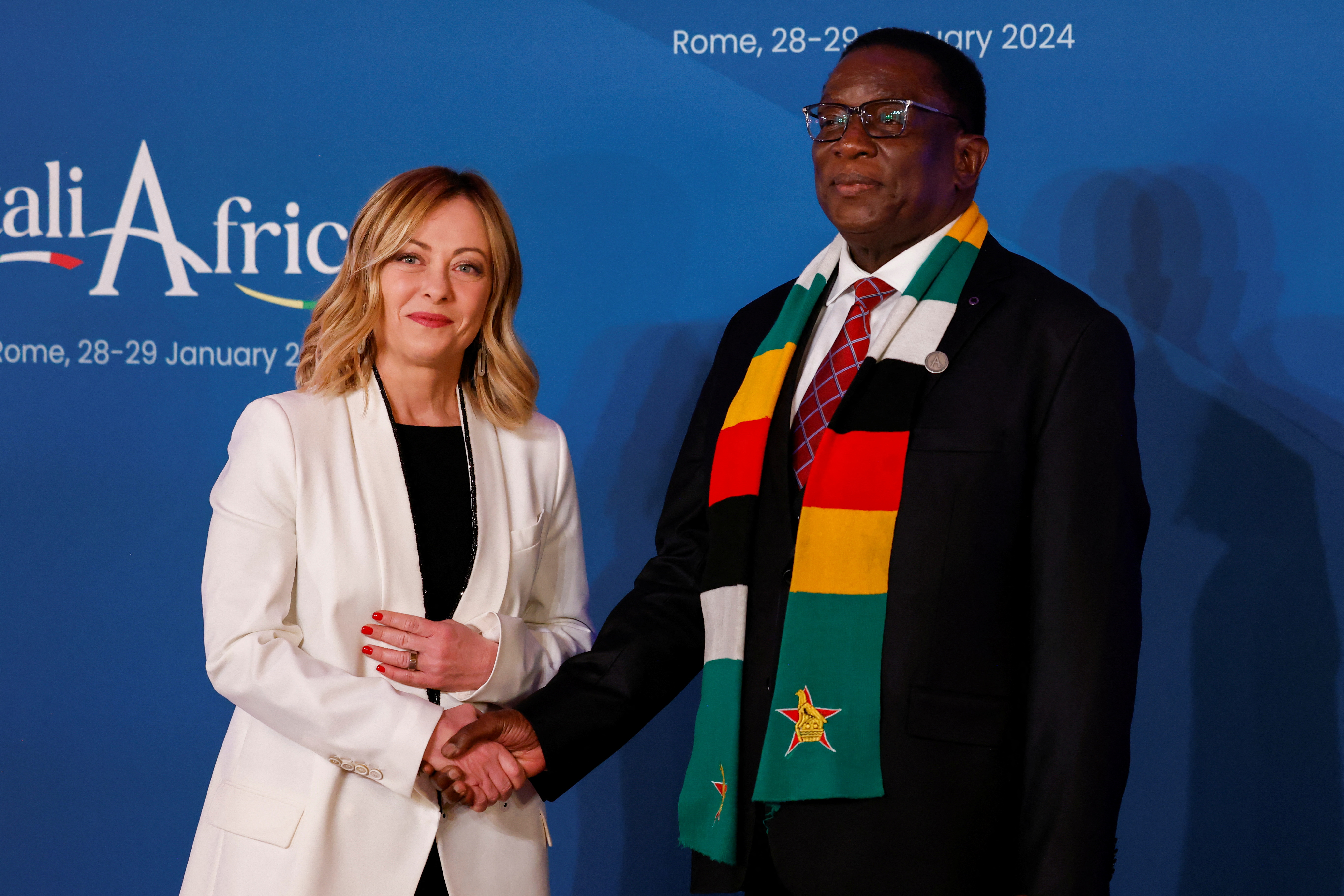
The Italy-Africa summit, held on January 28-29, followed Prime Minister Meloni’s Mattei Plan for greater engagement with Africa and the Global South. It gives Italy’s ongoing G7 presidency an edge and a means of addressing immediate concerns like energy and illegal migration. Italy must now follow through on its commitments by coordinating with partner countries, organisations and private sector.
 Courtesy: Sputnik India
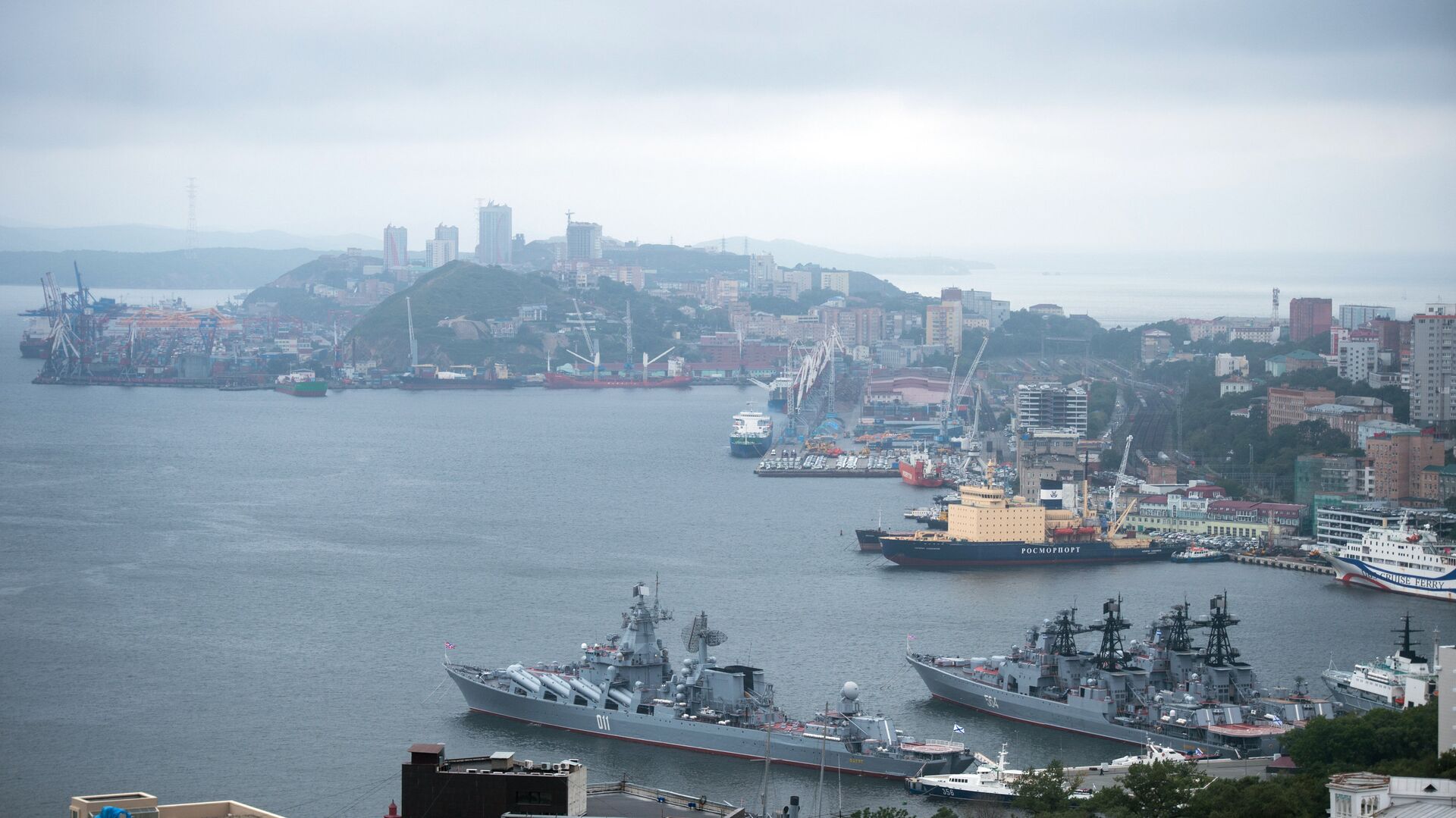
Tensions in West Asia have disrupted global shipping and revived interest in the Chennai-Vladivostok Eastern Maritime Corridor. Better freight and passenger connectivity between Southern India and Russia’s Far East will open new areas for bilateral cooperation such as the export of machinery, auto parts and engineering goods from India, and progressively integrate the economies of the two countries.
 Courtesy: Institute for Security & Development Policy
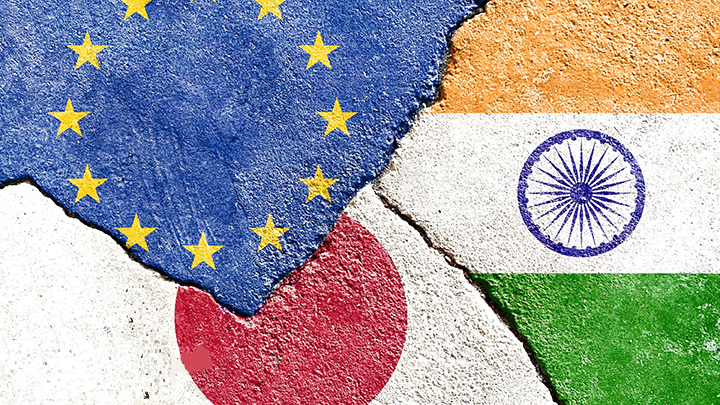
Japan and the EU have a stable and long engagement with India. As India grows in economic and geopolitical significance, both partners must change the lens they view India with. Japan has done better, especially with investment, and because of a common interest and activity in the Indo-Pacific. The EU is driven by Brussels still and needs must overcome that limitation to better leverage India.
 Courtesy: VivaLanka
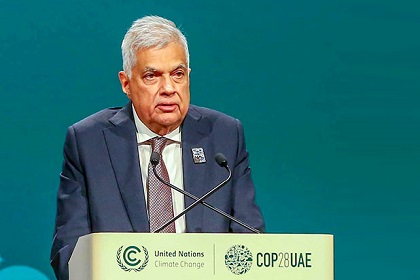
At the COP28, Sri Lanka’s President Ranil Wickremesinghe stated the need for $12 billion in FDI for renewable energy sources by 2030 to fulfill the country’s climate commitment. For that funding to yield benefits and translate into long-term growth, Sri Lanka must now work hard to enhance its overall business environment and revisit its foreign investment strategy to focus on renewable energy and manufacturing.