India-U.S. $1 trillion: The Mahindra GenZe case study
The following is an excerpt from the book 'India-U.S:$1 trillion by 2030' by Nish Acharya, Visiting Fellow at Gateway House

 Courtesy: GenZe
The following is an excerpt from the book 'India-U.S:$1 trillion by 2030' by Nish Acharya, Visiting Fellow at Gateway House
 Courtesy: itkannan4u/pixabay
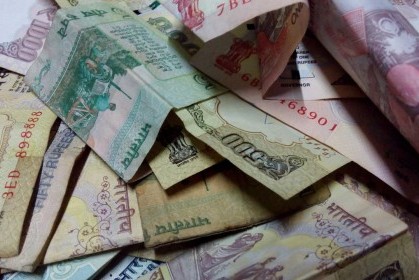
External integration—which the Trans Pacific Partnership and the Regional Comprehensive Economic Partnership will generate—has policy implications that India must manage well and quickly. As a first step, India can introduce the GST, among other measures, in order to become a more unified domestic economy.
 Courtesy: John Fischer/Flickr
Prime Minister Narendra Modi's outreach to the influential Indian diaspora in Silicon Valley in September should be centered on creating an Indian ecosystem for tech start-ups
 Courtesy: Mashable
The following is an excerpt from the book 'India-U.S:$1 trillion by 2030' by Nish Acharya, Visiting Fellow at Gateway House
 Courtesy: Wikipedia
Prime Minister Narendra Modi’s recent visit to Central Asia is an important moment for Indian business to increase its presence in the region. Before doing so, it must consider the region’s geopolitical and security challenges—but once past these hurdles, the region has many investment opportunities
 Courtesy: www.info7.com
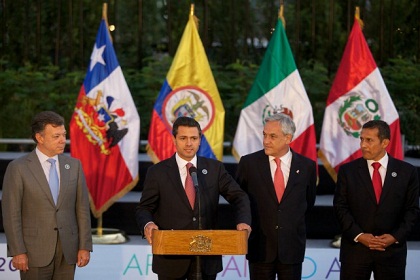
The Pacific Alliance—Mexico, Colombia, Peru and Chile—is one of the newest and most vibrant regional groupings in Latin American. Apart from the liberal foreign trade policies of these countries, they also have higher growth and lower inflation rates than their neighbours. India’s trade with the grouping has been growing, and as an observer member of the bloc, there is scope for much deeper engagement.
 Courtesy: Alibaba, Xiaomi, Wechat
Less than two years ago most Indians would struggle to name a Chinese company. Fast forward to the present, Chinese smartphone company Xiaomi is on the tips of everyone’s tongue. Chinese internet giants Alibaba, Tencent and Xiaomi have emerged as investors and major players in India’s fast growing e-commerce and internet space. Their emergence marks a new and exciting area of cooperation and engagement between India and China
 Courtesy:
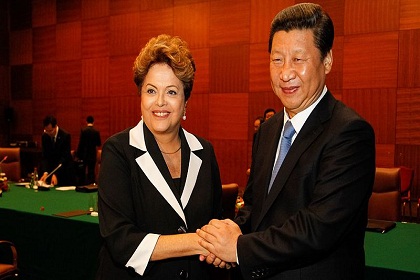
China's influence and presence in Latin America has grown rapidly in the form of trade and investment. China's growing presence is both a concern for Latin America and the U.S., which creates a window of opportunity for India
 Courtesy: Review Journal, Xinhua
Although Uber has a $41billion global valuation, over 99% of the taxi app market in China is controlled by local competitors offering personalised services, informal networks, and a familiarity with regulations that Uber cannot match. In such a scenario, can Uber live up to its valuation? And will local entities eventually also have an advantage in the crowd-sourced trucking and waterways sectors?
 Courtesy: Wikipedia/Narendra Modi
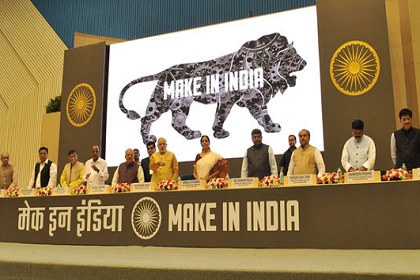
Pressure for a unified public procurement framework is mounting on India from both within the country and internationally. While an integrated procurement structure is necessary, a broad policy architecture must precede the framing of any legislation