An open letter to Pakistan
Rather than flounder, “India and Indians really do want Pakistan to win” blogs Prashant Agarwal. Here are five pieces of brotherly advice for our neighbour.


Rather than flounder, “India and Indians really do want Pakistan to win” blogs Prashant Agarwal. Here are five pieces of brotherly advice for our neighbour.
 Courtesy: IIP State/Flickr
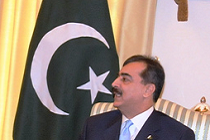
The current standoff between the Pakistani Government and the Supreme Court is yet another sign of Pakistan’s instable democracy. Will this lead to another transition to military rule? Or will the pillars of the media and the judiciary be able to bring about a balance?
 Courtesy: nazeah/Wikimediacommons - Ramesh Lalwani/Flickr
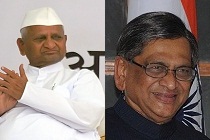
The year 2011 saw various events - the Arab Spring, anti- corruption protests, Europe's sovereign debt crisis - transform countries and reshape the world order. Gateway House takes a look at what these events mean for India, and presents India's top foreign policy cheers and jeers for the year.
 Courtesy: U.S.ArmedForces/WikimediaCommons
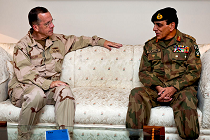
The 'memogate' fiasco in Pakistan highlights, yet again, the tensions that exist between the country’s political establishment and the Pakistan Army. While the final acts of this maneuvering are being played out, will the all-powerful Army continue to push the civilian government into a corner?
 Courtesy: Jawad Zakariya/WikimediaCommons
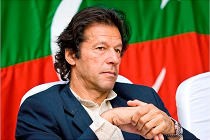
Imran Khan, leader of the Pakistani political party Tehreek-e-Insaaf, means well, and has the support of many in his country. But without any solid reforms manifesto, and almost no one in his party to implement his plan, what really are his chances in the upcoming elections?
Amidst myriad country groupings that already exist – BRICS, IBSA, APEC, SCO and many others – a new initiative in the Pacific is looking to integrate more powerful countries to form a multilateral free trade agreement – the Trans Pacific Partnership. How important is this towards the reshaping of trade and power?
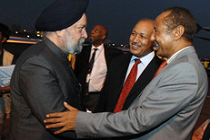 Courtesy: UN Photo/Paul Banks
After the crass misuse of Responsibility to Protect (R2P) in Libya, the broader question is: where is R2P headed? Do the events in Libya herald a more explicit assertion of this doctrine in other parts of the world? And should India rethink its viewpoint towards this ambiguous doctrine?
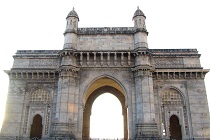 Courtesy: Xerxes Adrianwalla
While it is common for monuments of erstwhile rulers to be violently demolished, India has refrained from such actions. After 100 years, what does the Gateway of India mean today? Is it a metaphorical portal for exploring how India and Indians might help to foster new paradigms of power at home and abroad?
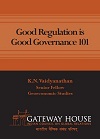 Courtesy: Gateway House
There is an immediate need for observance of good governance in regulation and a restructuring of the regulatory architecture. Key to this is the recovery of ground lost by the regulator in ensuring market integrity
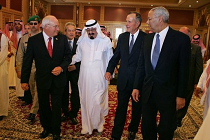 Courtesy: White House photo/WikimediaCommons
The Wahhabis, who now merit NATO backing, continue on their global mission of converting the Muslim Ummah to its relatively harsh and antediluvian ways of thinking and living. For NATO, this is a geopolitical miscalculation that will have tragic security consequences for the alliance within a decade.