Naya Kashmir, at first sight
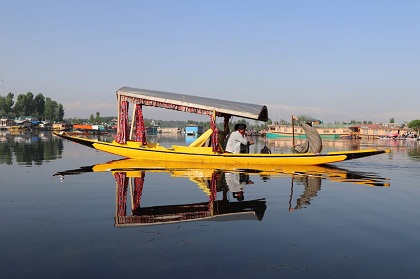
On a week-long October visit to Jammu and Kashmir, the author found both clarity and complexity among the citizens about their new status, and that the practicalities of daily life are more compelling than ideology

 Courtesy: Sameer Patil
On a week-long October visit to Jammu and Kashmir, the author found both clarity and complexity among the citizens about their new status, and that the practicalities of daily life are more compelling than ideology
 Courtesy: Shutterstock
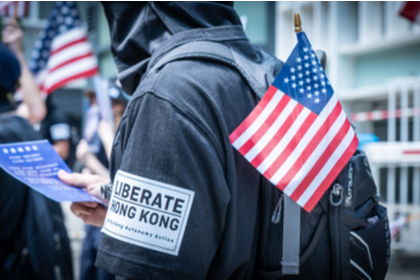
Partisan media coverage of the anti-government protests in Hong Kong points to a new Cold War between the United States and China. The author examines the divergent approaches of the Chinese and international media and the biases they betray
 Courtesy: Asad Lalljee
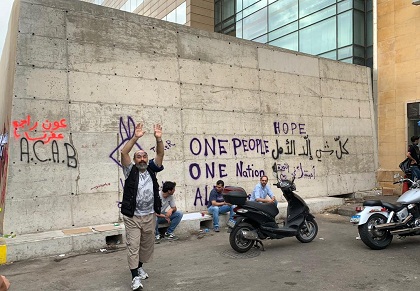
Lebanon has been the scene of some of the biggest mass protests through the month of October. They arose in response to cumulative economic crises due to low economic growth and the government’s controversial austerity measures. But can they also be seen as an awakening of Lebanese society to the need for a more equitable political and social discourse?
 Courtesy: MEA/Flickr
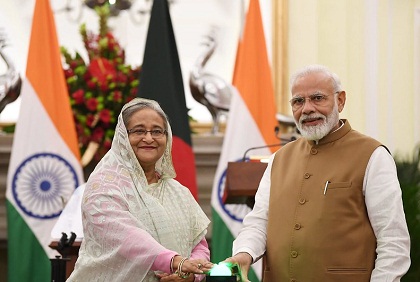
Bangladesh prime minister Sheikh Hasina’s visit to India earlier this month, resulting in seven new agreements, showed the strength of the mutual relationship. But both governments need to address some rankling issues: the sharing of the Teesta waters, the Rohingya problem and repatriation of the illegal people from Assam
 Courtesy: Shutterstock
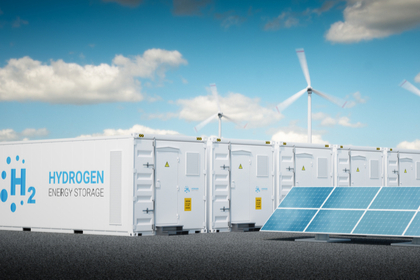
Decarbonising the transportation sector is an environmental priority globally, and hydrogen, the cleanest and most plentiful of fuels, is central to achieving this goal. If hydrogen mobility is actively pursued, India’s large reserves of gas hydrates and shale gas can be tapped for commercial use. Such a shift in choice of fuel will also ensure India’s energy security
 Courtesy: MEA/Flickr
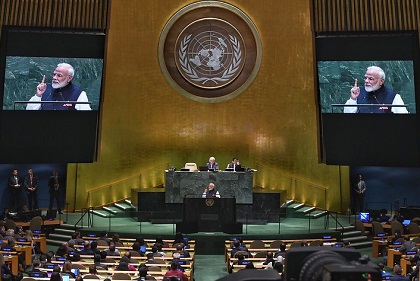
Prime Minister Modi’s tour of the U.S. last month was centred around the UN General Assembly’s 74th session and discussions on environmental challenges, but questions regarding the Indian government’s action in Kashmir persisted
 Courtesy: GoaVilla
India’s traditions are finally getting their due – with a Geographical Indication tag. This opens up a world of soft power for India. The first GI tag was given to Darjeeling tea. Now, after over a decade, the first ever GI store has opened at Goa’s airport. One of the Goan products on sale is feni, a popular local brew, which, with its new GI tag, can make a global splash
 Courtesy: Shutterstock
India and Japan have emerged close strategic partners, particularly in the current decade. They are cooperating for the economic development of India’s landlocked North East Region through connectivity building and infrastructure projects. The Modi government’s Act East policy has been a major impetus in the flow of Japanese assistance. Such cooperation also comes in direct response to China’s BRI
 Courtesy: Shutterstock
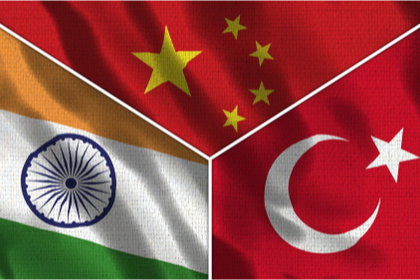
The Narendra Modi government came to power in India in 2014, promising "minimum government, maximum governance". Its roll-out of numerous government schemes meant that democracy and governance came before economic growth. But it returned Modi to power.Analysing the current debate on growth and governance the author explores how the sequencing of governance and economic outcomes is different in China, Turkey and India
 Courtesy: Gateway House
He was a sharp, innovative economist who combined empathy and an understanding of India’s ground realities with memorable modesty. In his passing is the loss of a deep talent