G20 Rome summit, marching ahead Courtesy: G20
4 November 2021

G20 Rome summit, marching ahead

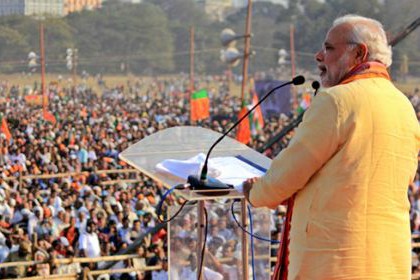
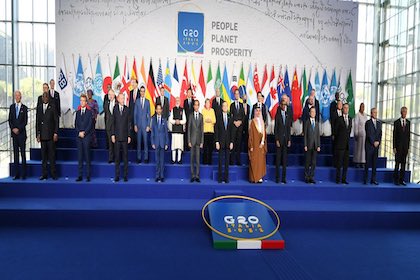
The Oct 30-31 G20 Leaders’ Summit in Rome took several important steps to accelerate economic recovery and health security. In the absence of several Eurasian leaders, India played a significant role especially on climate and energy. The G20 will now acquire greater salience in India's foreign policy, as it readies to lead the grouping in 2023.
France in Africa: trying a youthful look Courtesy: Reuters
21 October 2021

France in Africa: Trying a youthful look

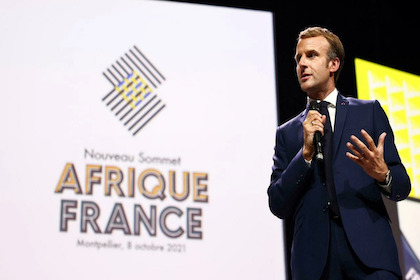
On 8 October 2021, the 29th France-Africa summit was held in Montpellier, France. This unique summit focused on youth and civil society engagement, led from the front by French President Emmanuel Macron, in an open and honest dialogue. However, the success of this new outreach will be measured by how France fulfils the promises made at the summit.

00_fa_mj2020_cover Courtesy: Foreign Affairs
27 April 2020

China’s Coming Upheaval

The U.S.-China relationship, which has wavered between cooperation and competition, has, over the past few years, veered more sharply towards confrontation – possibly because of China’s own more assertive stance. Now, Beijing’s confidence is under test, not only by these fractious relations, but also COVID-19 and an economic slowdown. Will these factors reveal its weaknesses?

Rediffmail Courtesy: Rediffmail
6 December 2018

Modi a better CM than PM?

Academic and columnist M.D. Nalapat, in this interview with Manjeet Kripalani, speaks of how a tardy bureaucracy has brought about “a too-cautious” policy towards the U.S. and China as opposed to the former Gujarat chief minister’s greater openness in consulting people before handing over policy implementation to the bureaucracy. He also discusses the prime minister’s shrewd approach to South Asia, the dependable warmth of the Japanese and a range of other topics

_96278695_6dce5a47-502a-4f67-95ff-17f4295e53c8 Courtesy: BBC
21 September 2017

India, Germany and Africa: the new priority

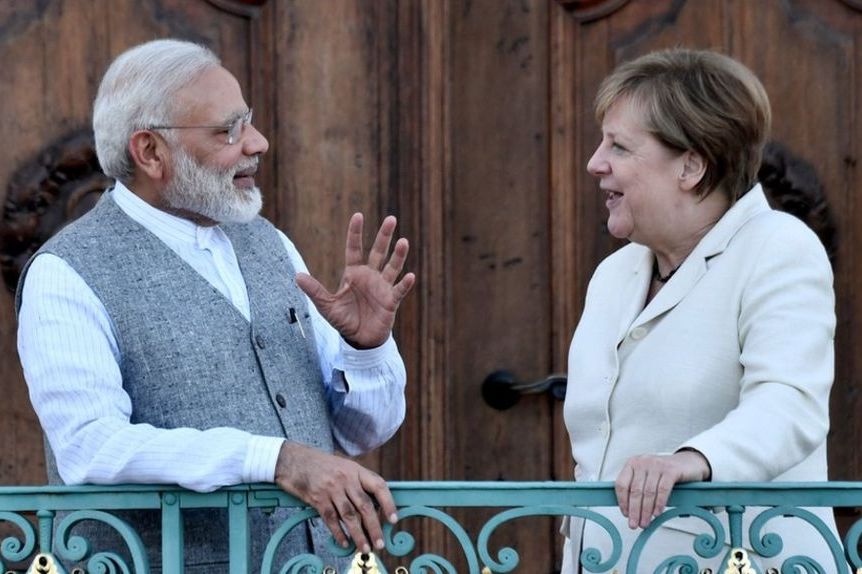
Germany and India have revealed a dual priority for Africa: creating opportunities for prosperity and promoting stability. For both, these are uncharted waters and represents a shift in the locus of global dynamism, away from an Anglo-Saxon world order to a more diverse yet potentially fissiparous one

3W7A0205 Courtesy: Gateway House
14 February 2017

Market based strategies for renewable energy projects

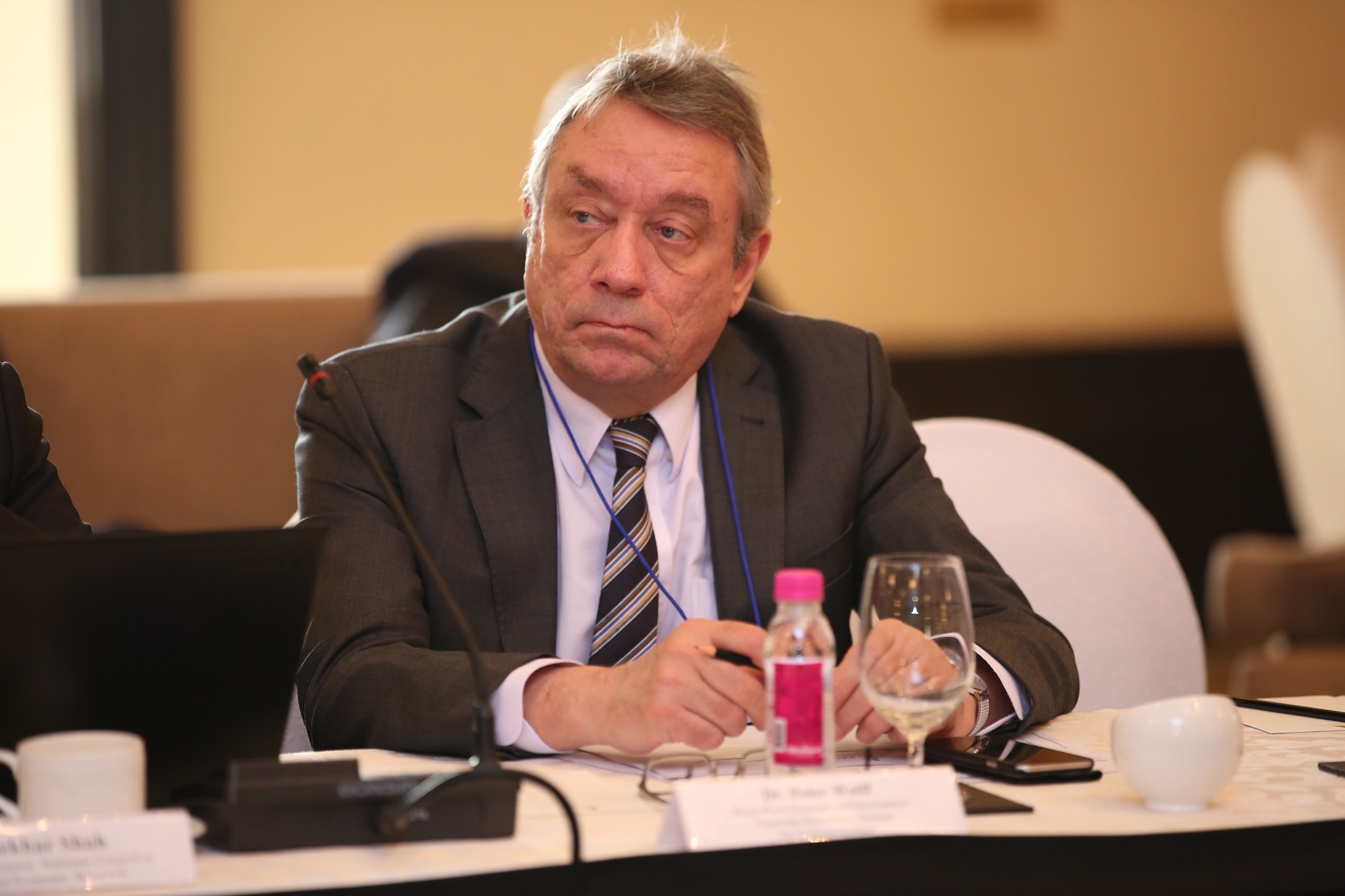
In his interview, Dr. Peter Wolff discusses the pillars and objectives of Germany's Marshall Plan for Africa and the need to integrate it into the global value chain. In the sphere of renewable energy, he argues that the most effective way of establishing a solid renewable sector is through market based strategies rather than government based ones. Although in some industries public private partnerships are the best measure, in others a more corporate lead approach is better.

GH_Demonetisation_Web-724x1024 Courtesy: Gateway House
24 November 2016

Demonetisation around the world

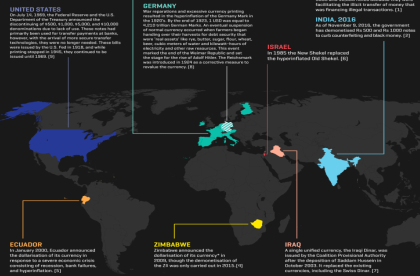
Prime Minister Narendra Modi's announcement on November 8 to demonetise notes of the denomination of Rs 500 and Rs 1000 has a precedent. This infographic traces some interesting demonetisation initiatives around the world. From discontinuation of high denomination notes due to lack of circulation, to the use of beer and water as 'real assets' in place of hyper-inflated currency.

_89083411_89083410 Courtesy: BBC
26 May 2016

International credibility in a domestic crisis

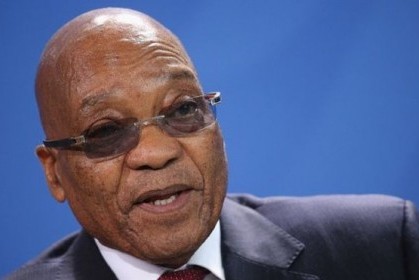
At present, South Africa finds itself charting political and economic policy uncertainties. This is not to suggest that the domestic political crisis will see different trajectories unfolding with regard to its BRICS/IBSA engagements, or on a broader foreign policy path, but it will have repercussions at the international level, in terms of investor confidence, credit ratings, and currency volatility. Pretoria will face constant pressure to be seen as a credible actor, especially when it comes to its African identity.

morsi Courtesy: Cyfraw/WikimediaCommons
2 January 2013

The chess game in Egypt

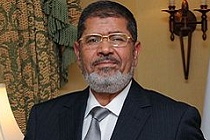
Despite heavy opposition from several factions, Egyptian President Mohamed Morsi’s propositions for altering the constitution have been approved. Although the alterations have democratic elements, the liberals and secularists bear responsibility in taking forward Egypt’s journey to complete democracy.