The Emerging Exception
The traditional label of ‘middle power’ fails to capture India’s growing status. The country’s ability to shape the international discourse is no longer in question. India sees itself as a key player the global order.

 Courtesy: The Diplomatist
The traditional label of ‘middle power’ fails to capture India’s growing status. The country’s ability to shape the international discourse is no longer in question. India sees itself as a key player the global order.
 Courtesy: East Asia Forum
The traditional power structures of ‘unipolarity’ or ‘bipolarity’ prevalent over the past 80 years are no longer appropriate to describe the current global order, with more countries increasingly supporting the evolving multipolar world. With the old ‘rules-based’ order becoming less relevant, emerging powers like India have an opportunity to draft more equitable rules to match their multipolar intentions.
 Courtesy: Körber-Stiftung
The world is undergoing profound transformations that are not being driven only by the United States, China or Russia. Small and medium-sized States are carving out a legitimate place for themselves in the emerging new order. This second edition of our annual Emerging Middle Powers Report is a reminder that the signs of the times are showing a new momentum for middle powers.
 Courtesy:
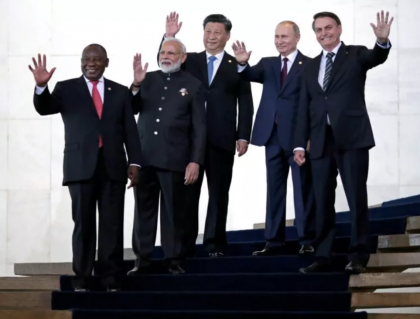
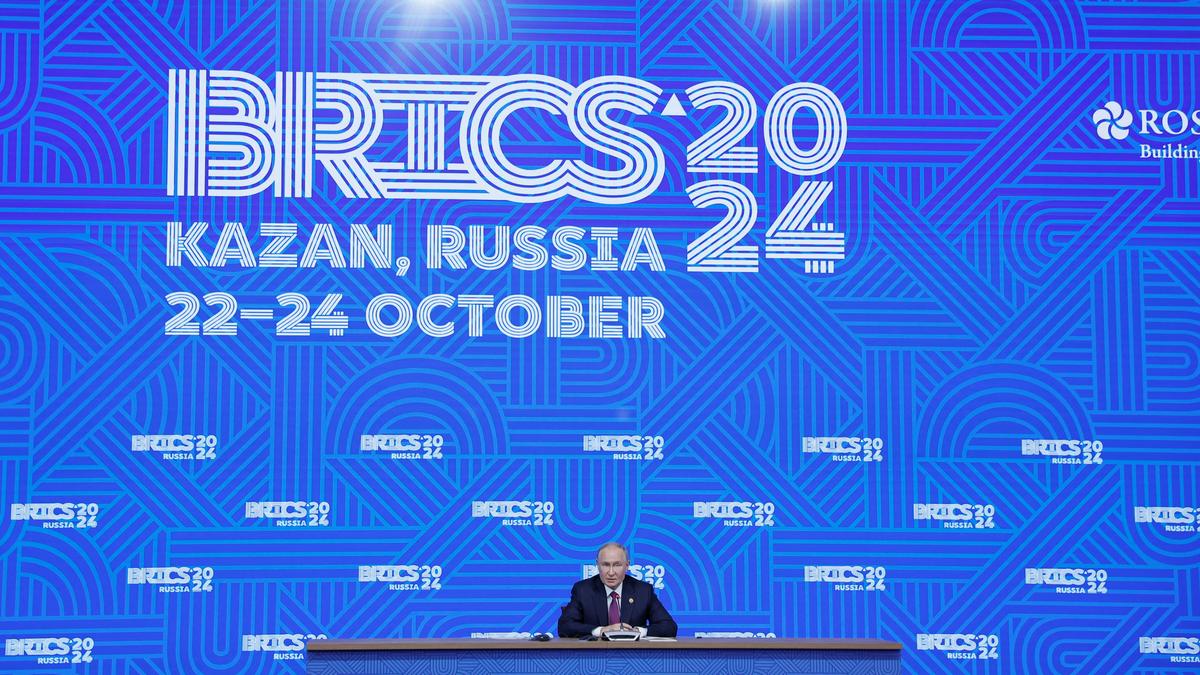
The 16th BRICS Summit, held in Russia’s Kazan in October, was the first summit of the expanded grouping. With 13 new partner states invited, it revealed how increased membership has the potential to enhance the grouping’s influence. For India, BRICS serves as a bridge between the west, the east, the north and the south, making New Delhi the geopolitical sweet spot.
 Courtesy:
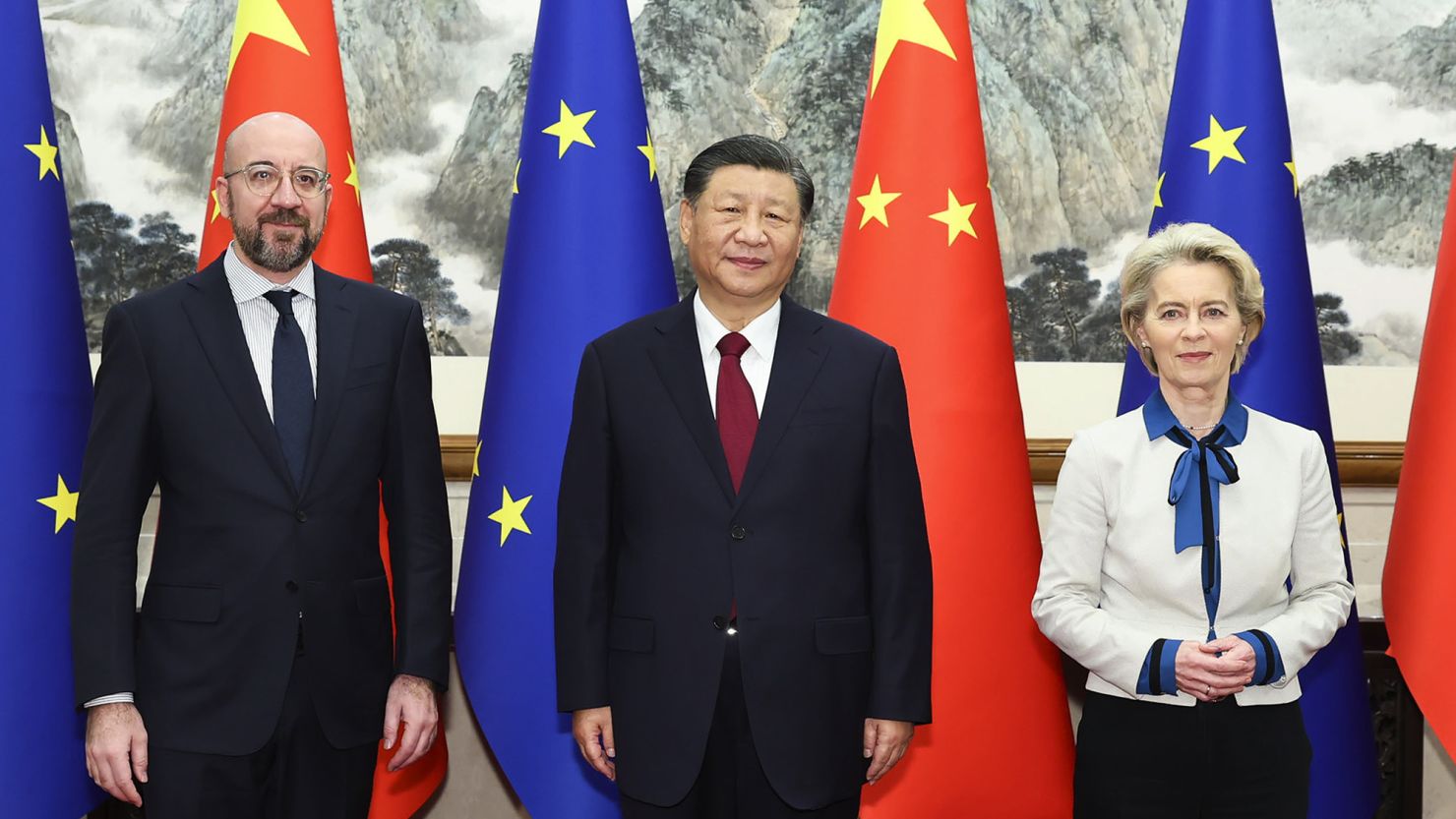
Chinese President Xi Jinping's three-nation tour to France, Serbia and Hungary in early May highlighted China's aim to bolster ties and navigate shifting global power dynamics. The trip's implications are significant for all major powers, including India, which must inject more creativity and energy in building up its strategic partnerships with G7 nations after the elections.
 Courtesy: Bayerischer Rundfunk
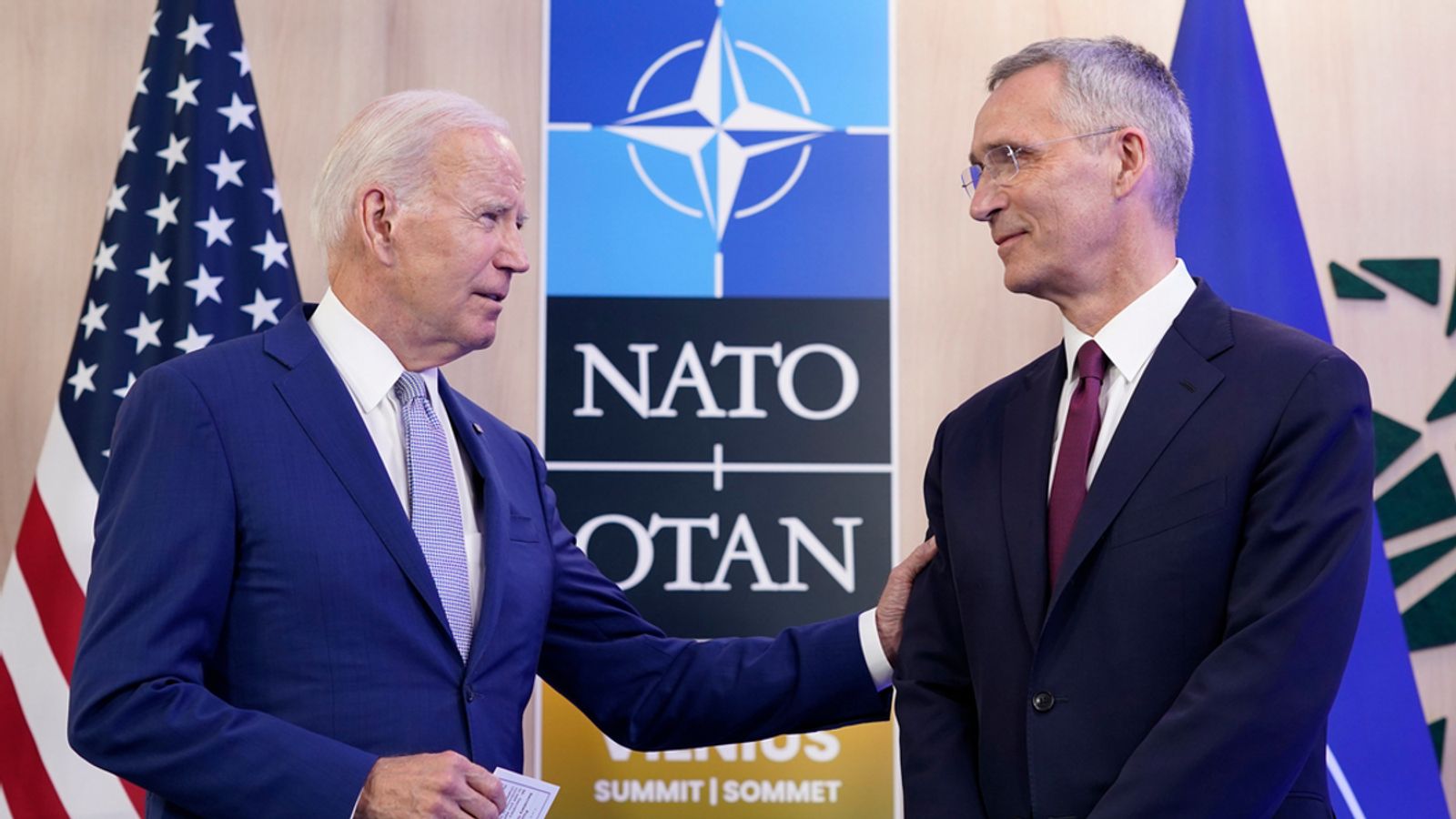
The North Atlantic Treaty Organisation turns 75 this year. It has exceeded its original mandate of a collective defence for Europe and is expanding rapidly. From restraining the rise of Russia, it is now seeking non-NATO allies in Asia who wish to restrain China. This requires a nimbler, more dynamic alliance. Can NATO respond to the transformation?
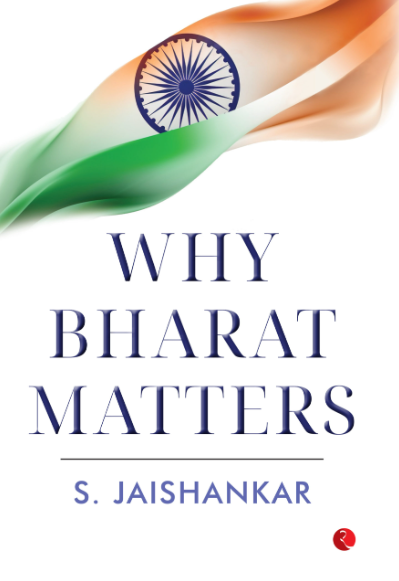 Courtesy: Rupa Publications India Pvt Ltd.
Dr. S. Jaishankar’s new book creates an environment for an open and equal dialogue, which must continue between Indian and Russian diplomats, experts, representatives of business and public organisations. He is a visionary and an intellectual; his book is an example of next-generation Indian soft power, at the intersection of the challenges of the future and the legacy of the past.
 Courtesy: Körber-Stiftung
Divergent global reactions to major crises such as those sparked by the war in Ukraine and NATO’s Afghanistan withdrawal have widened the chasm between Western countries and emerging middle powers. This survey, conducted among nearly 1,000 experts from India, Brazil, South Africa and Germany, examines key foreign policy priorities in these countries, and reveals that despite differences, dialogue is possible.
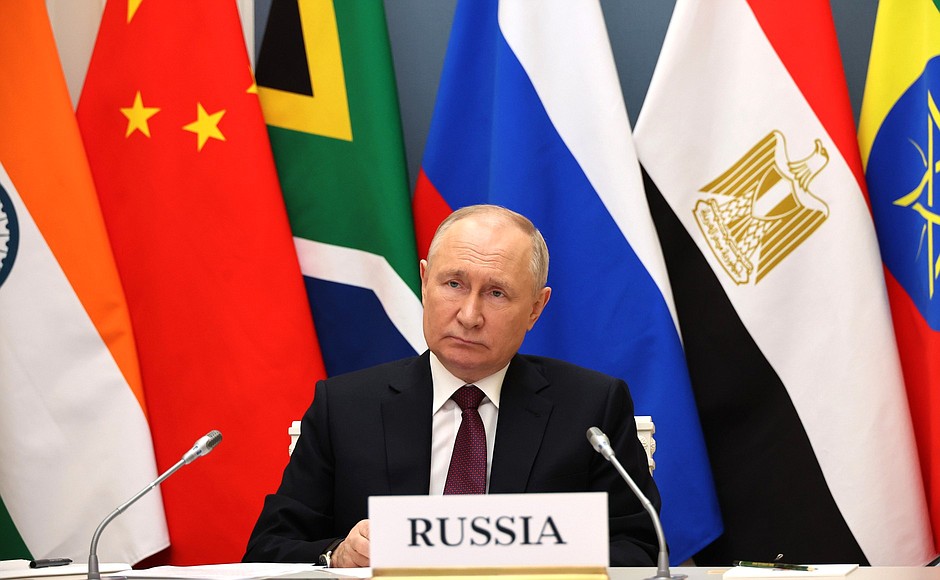 Courtesy: Official Internet Resources of the President of Russia
Russia took charge of BRICS in January 2024 at a point of inflection in geopolitics and expanding influence for the bloc. As chair, Moscow aims to bolster cooperation along the lines of the BRICS’ three pillars to shift power away from the West and explore ways to engage potential members. Though China seems onboard, for India, neither of these pursuits must proceed too aggressively.
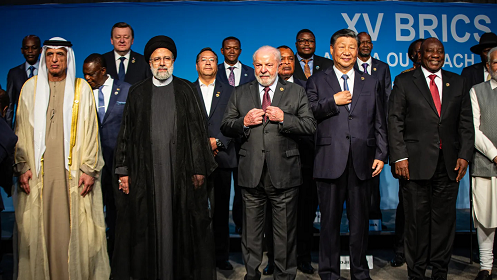 Courtesy: Fox News
The decision to invite six countries — Argentina, Egypt, Ethiopia, Iran, Saudi Arabia, and the UAE — to join BRICS as full members has opened the grouping to a new geopolitical era. India can now play a seminal but challenging role in this evolved dynamic, given its growing cooperation with the West on the one hand and its active pursuit of the interests of the Global South on the other.