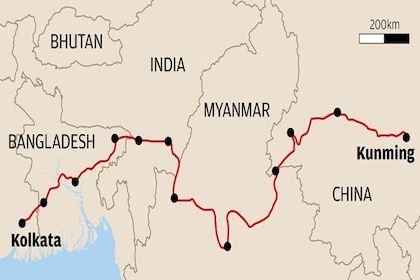
bcim corridor Courtesy: Institute of Peace and Conflict Studies
9 November 2021

Physical connectivity in the Bay of Bengal

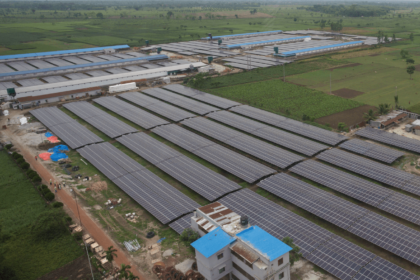
China is a clear winner in the physical connectivity stakes in the Bay of Bengal, and there's a reason a why: Its projects are connected to one another, from rail to road to port. While India also has some successful cross-border road and rail infrastructure projects, they are often an extension of an existing railway line or highway, not specific to the connectivity needs of the region. India can win by focussing instead on building infrastructure to maximise the vast maritime potential of the Bay of Bengal, especially the Andaman and Nicobar Islands that give India access to critical sea channels and trade routes.

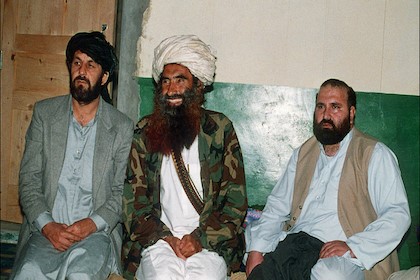
thumbnail_The Haqqani network Courtesy: The Wall Street Journal
2 September 2021

Taliban’s terrorist connections to India

With the Taliban now ensconced in Kabul and being given legitimacy to represent Afghanistan, the worry for New Delhi is the Taliban-affiliated terrorist groups which are already looking eastward to India. This graphic shows the relationship between the terrorist groups in Afghanistan and their anti-India cousins.

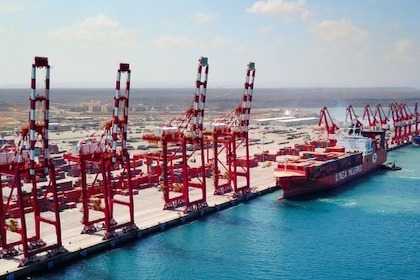
Chinese Port invesments Courtesy: The Maritime Executive
19 August 2021

China’s ports in the Indian Ocean

China is rapidly expanding its influence in the Indian Ocean Region, as its massive investment in ports starts to materialise. From smaller investments of $78 million in Djibouti to large ones like $1.6 billion in Gwadar, these are funded largely by Chinese state-owned enterprises. This infographic shows the 17 ports being built by China, which are now important strategic, economic and political outposts for the country.

international criminal court: jurisdiction over non-members Courtesy: Shutterstock
8 April 2021

The ICC’s jurisdiction conundrum

On 3 March 2021, the Office of the Prosecutor at the International Criminal Court (ICC) at the Hague, commenced an official investigation into Israel and Palestinian Armed Groups' alleged war crimes committed in the occupied territories of Palestine since July 2014. Palestine, which referred the case, is a member of the ICC, but Israel is not. Does the ICC have any jurisdiction in these cases? Will US support for Israel play a role? The three instances in the table show precedents in similar matters.

shutterstock_83614519 Courtesy: Shutterstock
10 October 2019

Climate engineering vs. geoengineering

The United Nations’ Paris Agreement of 2015 had nations committing to reduce emissions of greenhouse gases to slow the rise in global temperatures. But terrestrial geoengineering – or the use of “carbon capture” technologies and developing carbon sinks to remove gases already in the atmosphere – and atmospheric climate engineering are technologies which also seek to slow global warming

ibc-center-oil-gaz-4-696x392 Courtesy: ibctrain.com
2 April 2019

India & the influential SCO Energy Club

The main objective of the Shanghai Cooperation Organisation’s (SCO) Energy Club, when Russia formed it, was to market its member states’ substantial oil and natural gas reserves. This map shows some of the important natural gas pipelines, originating from Russia and its neighbouring countries that are not members of the SCO. What can India do to secure supplies from these abundant but currently inaccessible natural gas reserves?

19THPULWAMA Courtesy: The Hindu
28 March 2019

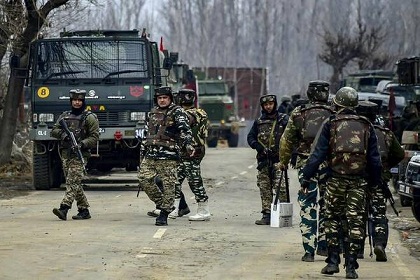
Can India sanction Pakistan post-Pulwama?

India has used military and diplomatic offensives against Pakistan as a response to the February 14 terrorist attack in Pulwama, Jammu and Kashmir. There are two more options available - legal, through sanctions, and economic - to curb Pakistan's dangerous adventurism. Gateway House explores both in the infographic below

2-8-18 CableMap-02 - Copy Courtesy: Gateway House
2 August 2018

Version 2: Mapping China’s global telecom empire

This version of the Gateway House Map on China’s Expanding Global Telecom Empire identifies some more telecommunication assets -- optic-fibre and satellite ground stations -- that Beijing is working on in South and Central America, Africa, Myanmar, the Indian Ocean Region and mainland China besides the existing ones, such as the Pakistan East Africa Cable Express (PEACE). It shows the direction China’s investment is taking, its diplomatic overtures and the larger geopolitical implications of its growing telecom empire