Badi Soch: Staying put in Afghanistan
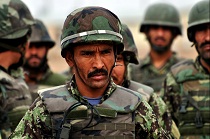
This daily column includes Gateway House’s Badi Soch – big thought – of the day’s foreign policy events. Today’s focus is on the recent terror attack near the Indian Consulate General building in Jalalabad

 Courtesy: Helmandblog/ Flickr
This daily column includes Gateway House’s Badi Soch – big thought – of the day’s foreign policy events. Today’s focus is on the recent terror attack near the Indian Consulate General building in Jalalabad
 Courtesy: Ministry of External Affairs, India
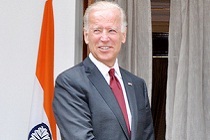
U.S. Vice President Joe Biden’s visit to India this week comes at a time when the India-U.S. bilateral relationship has gone seemingly adrift. Can this visit, which comes just months ahead of the Indian general elections, rejuvenate the relationship which is rooted in long-term common strategic interests?
 Courtesy: 2winTradez/Flickr
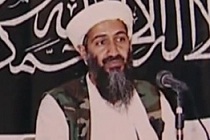
How did the Pakistani military fail to detect the raid in Abbottabad or the presence of Osama bin Laden? A report by a judicial commission in Pakistan, leaked by a TV channel on Monday, reveals the extent of the incompetence of civilian and military institutions, and the army’s complicity with the U.S.
 Courtesy: Gateway House
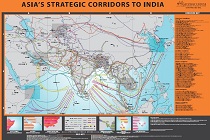
The map – Asia’s Strategic Corridors to India – has emerged from Gateway House’s study of India’s strategic links with other parts of Asia. It highlights the progress India has made in forging multiple links with six strategic regions – Central Asia, West Asia, East Africa, South-East Asia, East Asia, and our immediate neighbourhood
 Courtesy: Wikimedia Commons
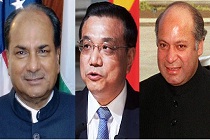
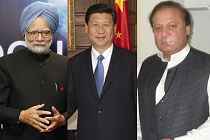
Both Indian Defence Minister A.K. Antony and Pakistani Prime Minister Nawaz Sharif visit China this week. However, their objectives are different. Antony visits China to bring up security issues in the aftermath of the Depsang incursion, while Sharif makes his visit in hope of bettering his flailing economy
 Courtesy: World Economic Forum/ Flickr
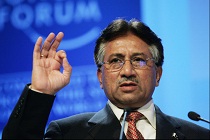
This daily column includes Gateway House’s Badi Soch – big thought – of the day’s foreign policy events. Today’s focus is on why prosecuting former President General Pervez Musharraf has serious implications for regional stability
 Courtesy: Center for American Progress Action Fund/Flickr
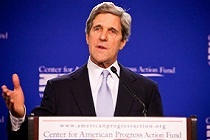
The U.S. Secretary of State’s visit to India comes at a time when India is witnessing significant realignments in its domestic politics while the U.S. is busy tackling its cyber-spying allegations. Amidst these preoccupations, will the upcoming India-U.S. talks churn out substantive outcomes?
 Courtesy: Ministry of External Affairs, India
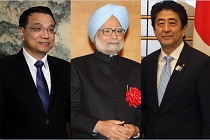
While the recent India-Japan Joint Statement contains significant breakthroughs, the China-Pakistan Joint Statement reveals the absence of warmth between India and China. With the current flurry of bilateral exchanges, India is fine-tuning its approach to emerging regional realities, as are others.
 Courtesy: Nikkul/WikimediaCommons
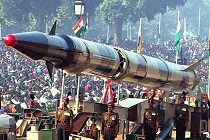
On April 24, former Indian Foreign Secretary, Shyam Saran, spoke in depth about India’s nuclear weapons policy. How can his speech be instrumental in dismissing the doubts that some in Washington have had over the credibility of India’s nuclear deterrent?
 Courtesy: WikimediaCommons
Will the India-Pakistan trade relationship improve after the elections in Pakistan on May 11? How India and China manage their trade, even when the exchange is strained, as it was after the recent military impasse on the Ladakh border, holds important answers