Indo-Pacific: New Geostrategic Reality
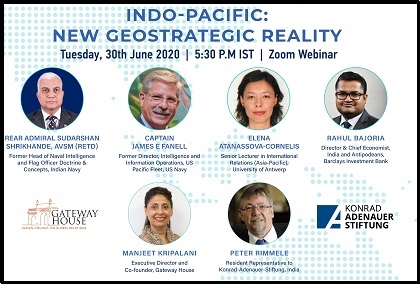
On 30th June, 2020 Gateway House in association with Konrad-Adeneur-Stiftung (KAS) co-hosted a webinar on Indo-Pacific: New Geo strategic reality.

 Courtesy: Gateway House
On 30th June, 2020 Gateway House in association with Konrad-Adeneur-Stiftung (KAS) co-hosted a webinar on Indo-Pacific: New Geo strategic reality.
 Courtesy: Gateway House
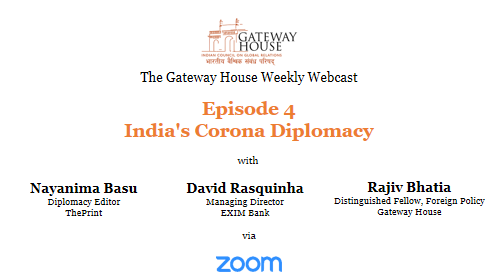
In this webcast, we discuss India's Diplomacy during the COVID-19 pandemic with David Rasquinha, Managing Director, Exim Bank, Amb. Rajiv Bhatia, Distinguished Fellow, Foreign Policy Studies Programme, Gateway House and Nayanima Basu, ThePrint.
 Courtesy: Gateway House
The shifting geopolitics of the COVID19 crisis might be an opportune time for India to consider new strategies for managing and curtailing Pakistan’s military aggression in the future. One policy tool used effectively by other countries is the imposition of economic sanctions. India needs to devise a comprehensive, multi-pronged approach.
 Courtesy: Gateway House
India must consider new strategies that can be put in place to manage Pakistan's ongoing military aggression and security threat. One policy tool that has been used effectively by many countries but remains unexplored by India is the imposition of sanctions. This paper analyses the feasibility of imposing sanctions on Pakistan and the strategies India should consider to execute this effectively. It makes recommendations on how to establish a legal framework, amend existing laws, include Indian stakeholders with business interests in Pakistan, get government departments to collaborate on implementation, and considers diplomatic measures India can undertake.
 Courtesy: MEA/Flickr
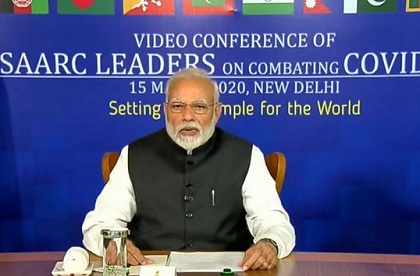
The first-ever virtual summit of leaders from member-states of the South Asian Association for Regional Cooperation on March 15 was an innovative exercise in showing solidarity in containing a pandemic. Here is an assessment of its tangible outcomes – and longer-term ways to prepare for SAARC’s revival
 Courtesy: Lovneet Bhatt
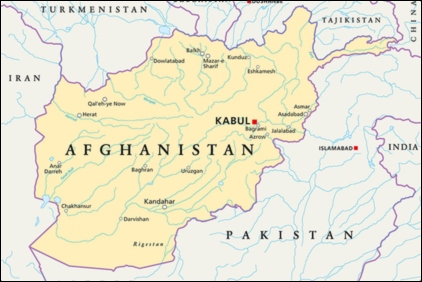
The 25 March 2020 attack on a Sikh gurudwara in Kabul focused world attention on the plight of Afghanistan’s indigenous Sikh and Hindu minorities, the target of both local lawless elements and religious fundamentalists. They once were a significant part of Afghanistan’s principally Muslim population and a mark of its cultural syncretism and religious pluralism
 Courtesy: Shutterstock
The U.S.-Taliban deal of 29 Feb favours some and disadvantages others in the region. This infographic shows how regional geopolitics will change
 Courtesy: Shutterstock
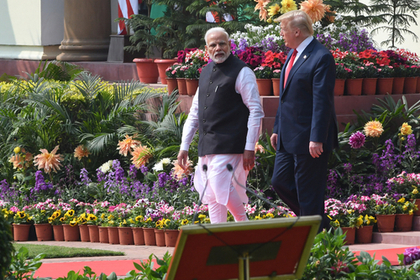
President Trump enjoyed every moment of the hype that attended his February 2020 visit to India, says Ambassador Neelam Deo, Director and Co-founder of Gateway House, in this podcast, even as the focus was on concrete outcomes, such as defence purchases and oil procurement deals. She discusses the geopolitical implications of a closer India-U.S. strategic relationship and the weaknesses of the U.S.-Taliban peace deal
 Courtesy: Shutterstock
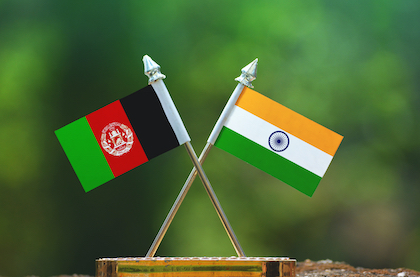
India should stop looking at Afghanistan through the Pakistan prism and be a major contributor in the development of peace and prosperity in the country
 Courtesy: MEA/Flickr
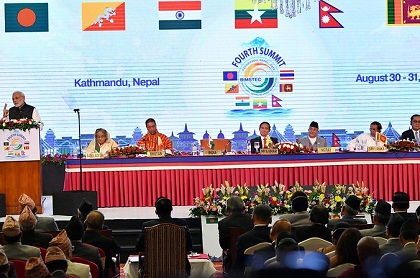
South Asia’s speedy economic development depends on the level of integration between countries in the region. The South Asian Association for Regional Cooperation (SAARC) and the Bay of Bengal Initiative for Multi-Sectoral Technical and Economic Cooperation (BIMSTEC) have lost their momentum. But both platforms have their uses and can be revived creatively