G20.Org Courtesy: G20.org
28 August 2025

Appraising Brazil’s G20 Presidency

The G20’s current cycle is unique, with four Global South nations presiding consecutively: Indonesia, India, Brazil, and now South Africa. Brazil’s 2023-24 presidency exhibited both achievements and struggles, prioritising social inclusion, hunger, energy transition, and governance reform. The handover to South Africa marks a significant milestone in G20 history. Will the momentum be followed by the U.S., the next G20 president but also a G20 sceptic?

indo pacific  (2) Courtesy: Getty Images
24 July 2025

India’s footprint in the Indo-Pacific region

India is strategically expanding its influence across the Indo-Pacific region, positioning itself as a key player in regional affairs. Three elements anchor the effort: development aid, trade and the diaspora. The country now has 20 Free Trade Agreement partners in the Indo-Pacific. The 21.8 million-strong Indian diaspora across the region is a significant source of soft power for India.

IMEC map with source Courtesy: The China-Global South Podcast
19 June 2025

U.S.-China rivalry: Middle Powers’ playbook

In the current era of geopolitical uncertainty, the Middle Power states are deepening engagement with countries of the Global South while reducing their exposure to the U.S. and China. Manjeet Kripalani and Carlos Coelho spoke to Eric and Cobus from The China-Global South Podcast, on how countries like India and Brazil are navigating this increasingly contested world.

Website articles  (12) Courtesy: Gateway House
15 May 2025

U.S., global emperor of sanctions

Over two centuries, the U.S. has amassed vast economic powers across the globe during and after the two World Wars , and sanctions slowly became an effective tool it used to achieve its foreign policy goals, becoming the global emperor of sanctions.

Report Courtesy: Körber-Stiftung
17 April 2025

Momentum for Middle Powers: Emerging Middle Powers Report

The world is undergoing profound transformations that are not being driven only by the United States, China or Russia. Small and medium-sized States are carving out a legitimate place for themselves in the emerging new order. This second edition of our annual Emerging Middle Powers Report is a reminder that the signs of the times are showing a new momentum for middle powers.

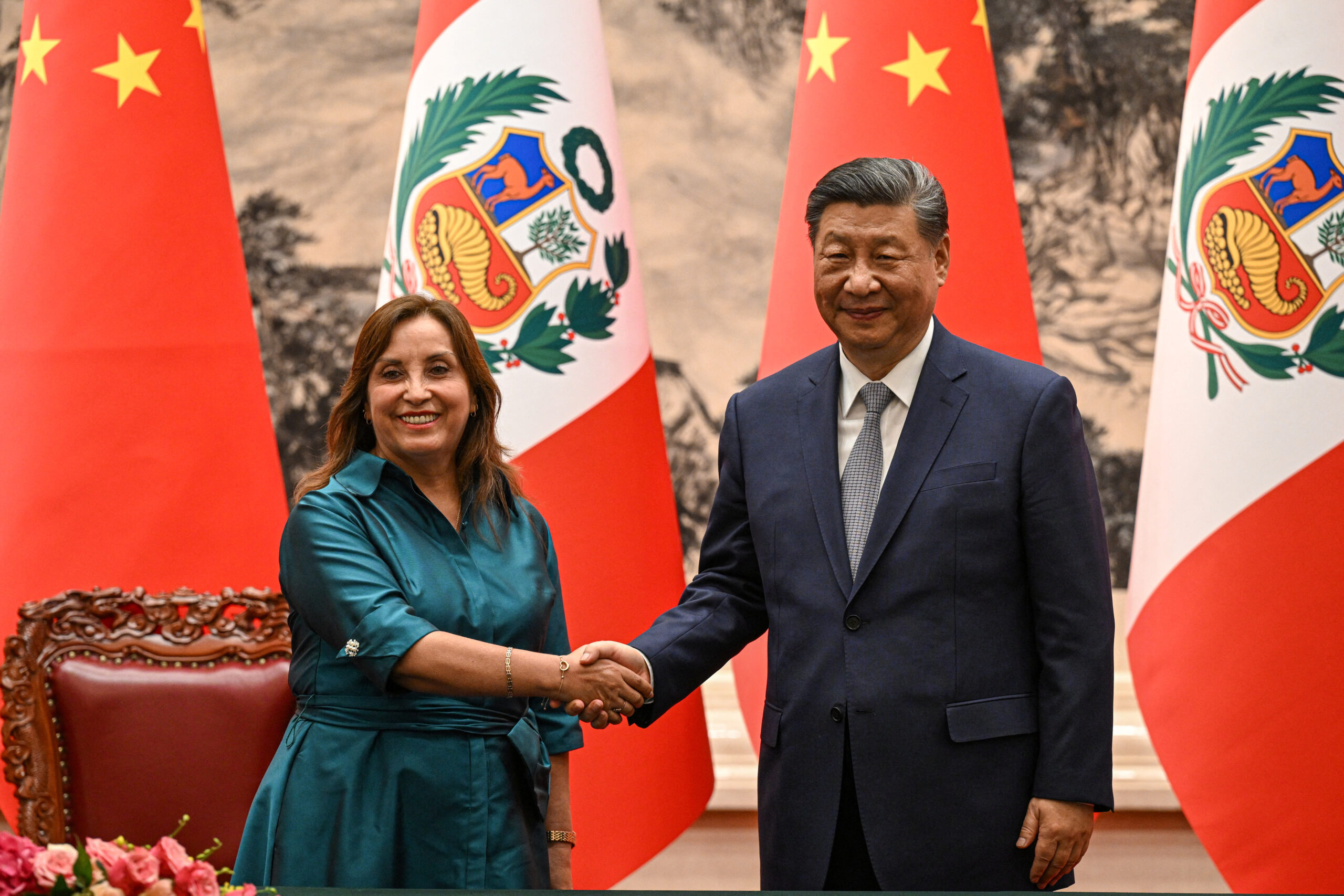
China's President Xi Jinping and Peru's President Dina Boluarte shake hands during a signing ceremony at the Great Hall of the People in Beijing, China June 28, 2024. JADE GAO/Pool via REUTERS Courtesy: Atlantic Council
12 December 2024

Xi Jingping’s Latin Success

Xi Jinping’s visit to South America to attend the APEC and G20 meetings had multiple goals. To inaugurate a new gateway for China in Peru’s Chancay port, sign three dozen cooperation agreements with Brazil, and make nice with the continent’s nations from Chile to the Honduras. Did it succeed in expanding China’s influence in the region? Most certainly, yes.

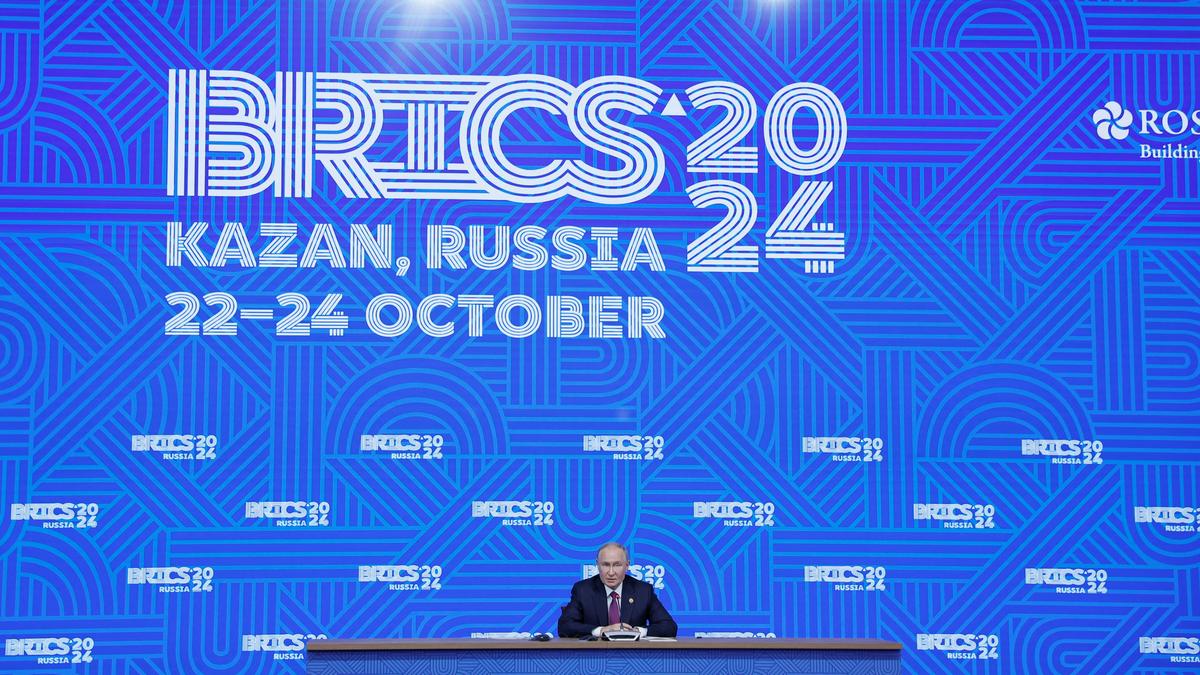
2024-10-24T162134Z_1804345792_RC23RAA5M4T3_RTRMADP_3_RUSSIA-BRICS-PUTIN Courtesy:
13 November 2024

BRICS gains heft while in transition

The 16th BRICS Summit, held in Russia’s Kazan in October, was the first summit of the expanded grouping. With 13 new partner states invited, it revealed how increased membership has the potential to enhance the grouping’s influence. For India, BRICS serves as a bridge between the west, the east, the north and the south, making New Delhi the geopolitical sweet spot.

Report Photo Courtesy: Körber-Stiftung
18 March 2024

Listening Beyond the Echo Chamber: Emerging Middle Powers Report

Divergent global reactions to major crises such as those sparked by the war in Ukraine and NATO’s Afghanistan withdrawal have widened the chasm between Western countries and emerging middle powers. This survey, conducted among nearly 1,000 experts from India, Brazil, South Africa and Germany, examines key foreign policy priorities in these countries, and reveals that despite differences, dialogue is possible.

BRICS 2 website Courtesy: Fox News
31 August 2023

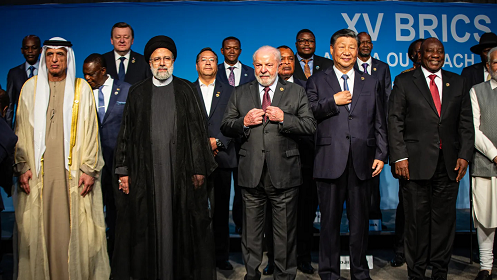
BRICS-XI, the new configuration

The decision to invite six countries — Argentina, Egypt, Ethiopia, Iran, Saudi Arabia, and the UAE — to join BRICS as full members has opened the grouping to a new geopolitical era. India can now play a seminal but challenging role in this evolved dynamic, given its growing cooperation with the West on the one hand and its active pursuit of the interests of the Global South on the other.