The Unwanted Wars
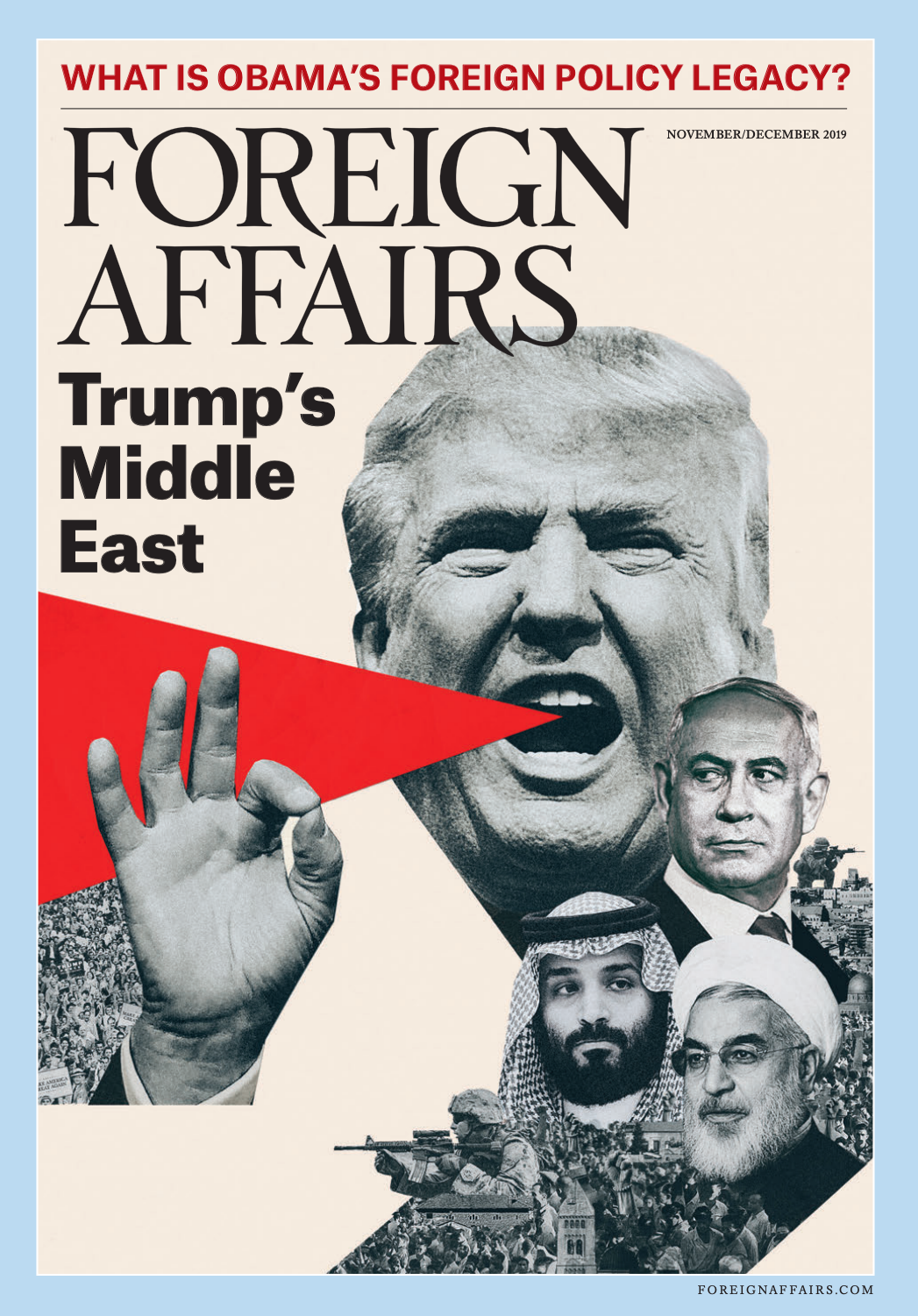
Countries in the Middle East, such as Iran, Israel or Saudi Arabia, do not want a military confrontation. Yet, current circumstances conduce to the breaking out of just such a war

 Courtesy: Foreign Affairs
Countries in the Middle East, such as Iran, Israel or Saudi Arabia, do not want a military confrontation. Yet, current circumstances conduce to the breaking out of just such a war
 Courtesy: Shutterstock
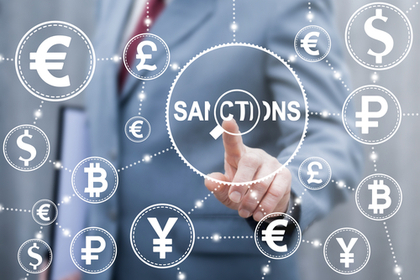
Sanctions, a form of imposing control and pressure, traditionally focused on countering nuclear proliferation and trade-related disputes. Recently countries have expanded their scope and impact by using them as potent tool of warfare
 Courtesy: Atlantic Council
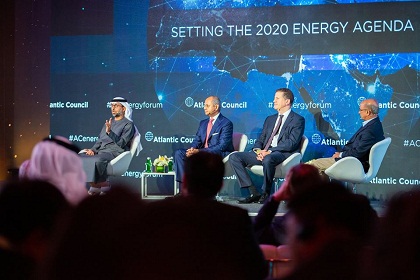
The Atlantic Council Global Energy Forum, held in Abu Dhabi on 10-12 January 2020, had the top businesses and analysts of the global energy industry. It was also part of a larger event, the annual Abu Dhabi Sustainability Week, which aims to be a global platform for sustainability in various industries
 Courtesy: Shutterstock
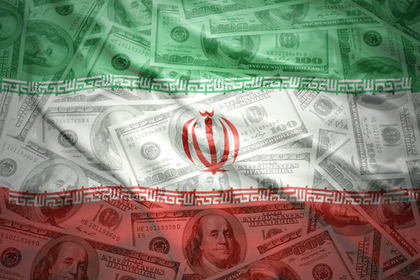
Oil prices, arms exports and conflict are inter related especially when it comes to the U.S. Its arms industry grows when high prices and conflicts coincide. This has kept West Asia on a perennial geopolitical boil. This infographic charts the highs and lows of U.S. arms sales, especially in the light of conflicts centred around West Asia
 Courtesy: Shutterstock
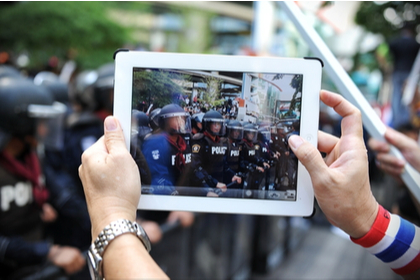
The current wave of protests sweeping India and the government’s suspension of internet services to impede communication has led to innovation. Protesters have taken recourse to offline messaging applications to escape detection while executing their plans. This infographic tracks the evolution of online media – from the basic to the more discreet
 Courtesy: Shutterstock
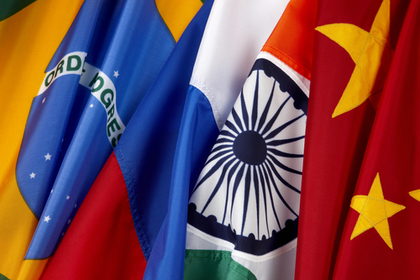
India will host four prestigious international conferences, such as the India-Africa Forum Summit and the subsidiary SCO Summit in the course of the next three years. These are historic opportunities for the country to show global leadership and fulfil a diplomatic agenda that involves handling strategic competition and advancing partnerships
 Courtesy: Shutterstock
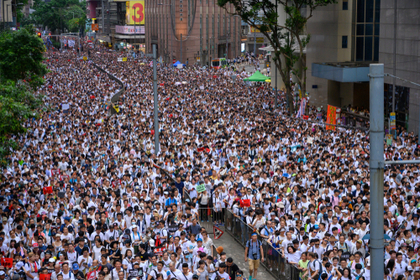
There has been a wave of civil protests across the globe since early 2019 which have taken governments by surprise by their sheer intensity and resilience. The common impelling factor has been discontent with government. Other factors for the current wave, beginning with the Arab Uprising in 2011, have been corruption and regressive constitutional changes. This infographic charts the arc of the outcry
 Courtesy: MEA/Flickr
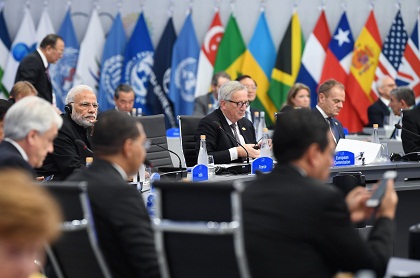
The 2019 G20 Summit in Osaka on June 28-29, is the 14th meeting of the Group of 20 leaders. The G20 is the world’s most influential economic multilateral forum. It is the agenda-setting forum that develops and guides rules of global economic governance. Under the Japanese Presidency, this summit will be the first to discuss and establish the rules for the worldwide governance of data, including current hot-button issues like data localisation and data sovereignty. India has both a preparatory and a contributory role to play in the G20 this year. For in 2022, it will be the President of the G20. India must identify its agenda early on; its a weighty responsibility but also an opportunity to set the global economic agenda.
 Courtesy: MEA/Flickr
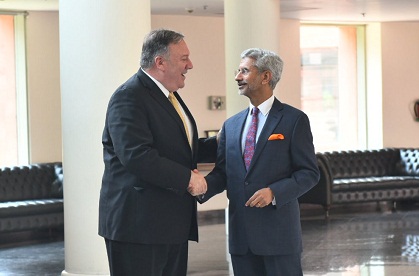
India’s foreign minister S. Jaishankar and U.S. Secretary of State Mike Pompeo have sorted through the India-US niggles and minutae, so that the substance of the bilateral can be advanced by their leaders who are meeting in Osaka this week
 Courtesy: Sputnik News
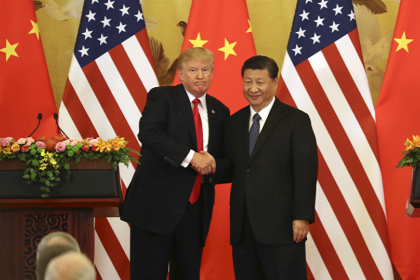
Speakers at the seventh Atlantic Dialogues, held in Morocco earlier this month, discussed what the challenge to western dominance and China’s expansionism meant for their political and economic future