A new, consensual world order
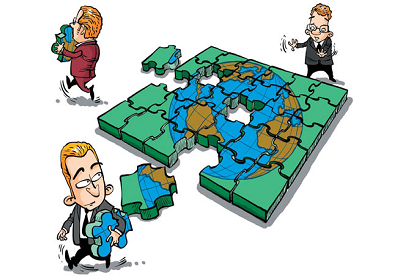
The era of globalisation is drawing to a close and a new one is emerging—an era of bilateralism over globalisation, of domestic over foreign focus, and reality-based policy-making

 Courtesy: IB Times
The era of globalisation is drawing to a close and a new one is emerging—an era of bilateralism over globalisation, of domestic over foreign focus, and reality-based policy-making
 Courtesy: Systemic Alternatives
The contours of globalisation are being reshaped. The Brexit vote and the election of Donald Trump mark a strong anti-globalisation sentiment even as leaders in China, India and Russia successfully marry nationalist rhetoric with a cleverly crafted overseas strategy, premised on the very tenets of globalisation. There seems to be a ‘pause’ in the unbalanced progress of globalisation of the last three decades—and this could have many positive outcomes
 Courtesy: Narendramodi.in
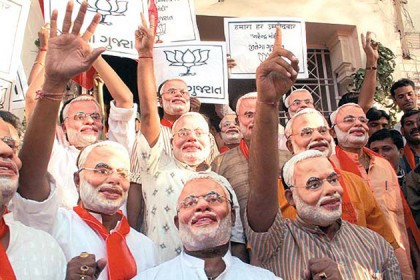
Narendra Modi’s landslide victory in India's 2014 general elections, despite his hardline nationalist image, was viewed as a localised phenomenon. But two years later, voters across the world from Europe to Philippines seem to be tilting towards leaders with the same nationalist tag.
 Courtesy: COP Paris / Flickr
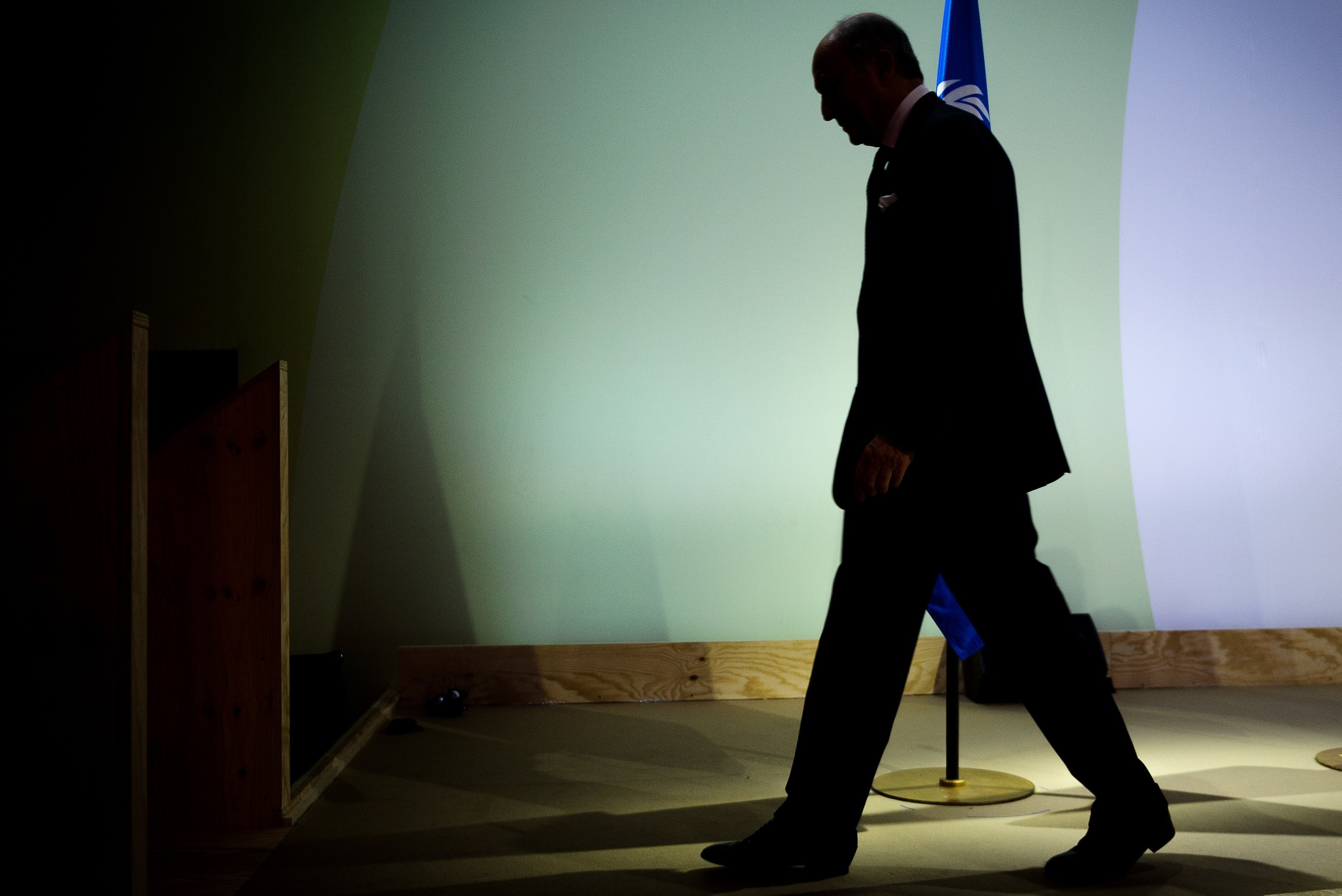
COP21 is a reality check for those who like to believe that geopolitical power is shifting from West to East. The just-concluded Paris Climate Summit was essentially about the early-to-develop Western powers continuing to exercise almost complete control over global governance structures, largely through the dominance of markets.
 Courtesy:
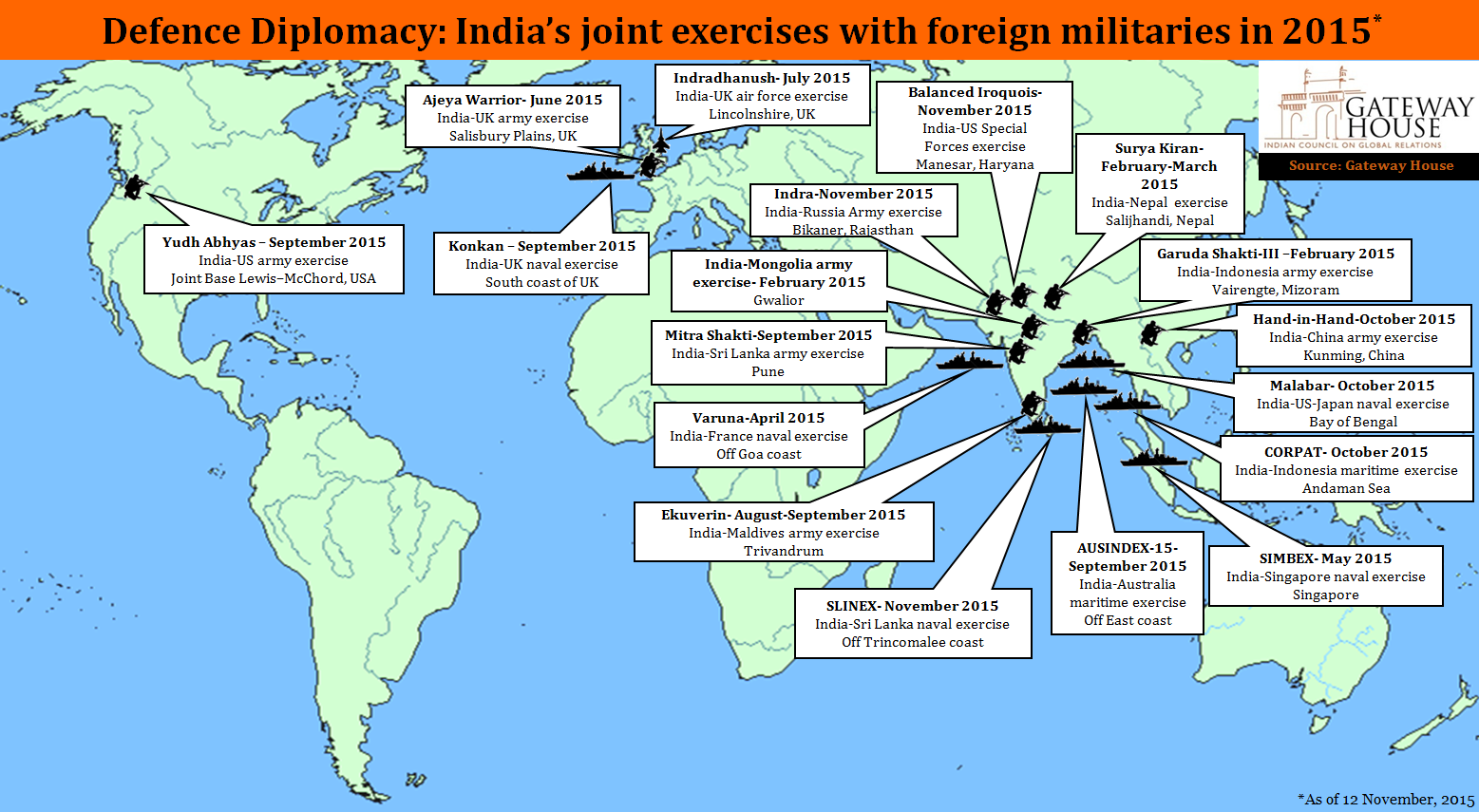
This year, India's defence diplomacy has ramped up. In 2015 alone there have been 18 military exercises- naval, army and air force- with 13 countries, among the largest engagements the country has had. Most significant is Japan joining the Malabar exercises in the Bay of Bengal and the first-ever maritime exercise with Australia. This is increasing India's presence from the Arabian Sea to the Bay of Bengal. As these exercises intensify India will be better positioned to handle regional security challenges.
 Courtesy: Wikipedia
The sanctions against Iran impacted the country’s oil, banking, aviation, and other sectors, and had a major humanitarian impact. But neither is armed attack a more suitable method in most instances to address allegedly recalcitrant states. What then is the middle ground? And can the UNSC assume a more proactive role in this context?
 Courtesy: openDemocracy / Flickr
If the Transatlantic Trade and Investment Partnership moves ahead after further negotiations were held in July, Indian exporters could be disadvantaged. Instead, India must be ready to use the further opening up of huge markets across the Atlantic, and adopt trade policies that mix regionalism and multilateralism.
 Courtesy: U.S. State department/Flickr
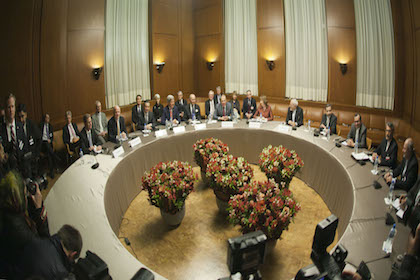
With the EU, Iran, and other entities taking decisive steps on April 2 to ensure a non-nuclear Iran, President Obama must now counter interests in the U.S. that want to stymie the final agreement. But having come this far, and considering the comprehensive benefits of an agreement, all sides are sure to deliver
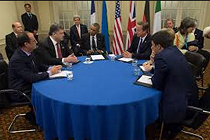
Neelam Deo, Director, Gateway House, talks about the significance of the position taken by NATO member countries at the recent summit in Wales. She says the increasingly acrimonious standoff between the West and Russia over Ukraine, and the stance on the Islamic State has implications for India.
 Courtesy:
Contrary to some current commentary, NATO has remained relevant after the post-Cold War period, largely due to the perceptions it still engenders. While its symbolic power still endures, a rapidly changing international order could make it obsolete in the near future, as new narratives take its place.