2 (8) Courtesy: ANI
11 February 2026

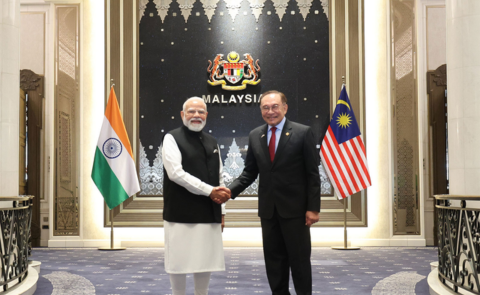
Modi brings momentum with Malaysia

From 7-8 February, Prime Minister Narendra Modi visited Malaysia to review the current state of bilateral ties and explore new avenues of cooperation. The focus was to deepen and diversify the economic dimension of the engagement. Two factors will help achieve this: Malaysia’s role in the ASEAN–India Trade in Goods Agreement review, and India’s enhanced negotiating weight following the signing of recent Free Trade Agreements. Both sides must now translate intent into action.
the influence of phil in the UN  (1) Courtesy: Debarpan Das
5 February 2026

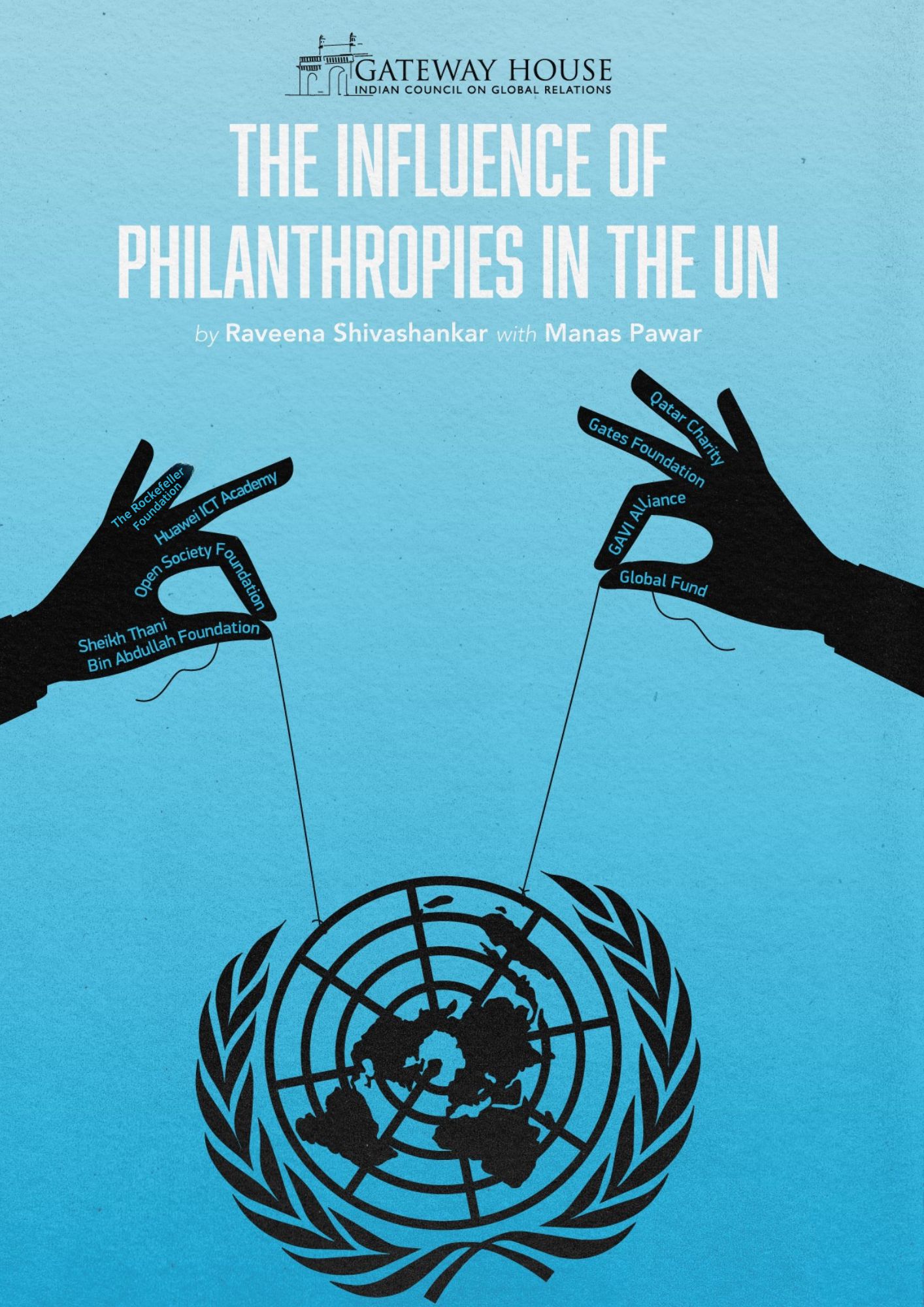
Influence of philanthropies in the UN

Over the last few decades, countries have stopped, delayed, or withheld their UN dues. The UN’s increasing financial needs have led to the acceptance of “voluntary” contributions. Those which come from any entities or individuals and are now its largest income stream. The biggest of these donors are the global philanthropies, which often have differing agendas from the UN’s responsibilities. This report studies these contributions and examines the linkages between donor priorities and UN mandates.

2 (6) Courtesy: Gateway House
5 February 2026

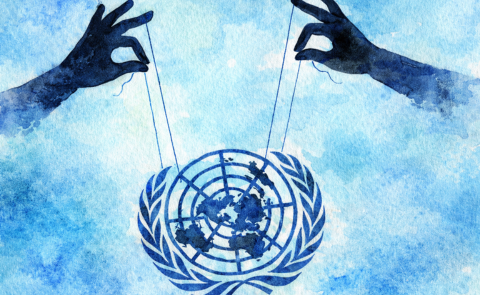
Influence of philanthropies in the UN

On January 7, 2026, the U.S. government announced its withdrawal from 31 UN organisations. This is a shock to the UN system. Several other countries have halted or only partially paid their dues over the years, creating a major funding gap. To cover for it, the UN has turned to “voluntary contributions” which come from philanthropic and private actors. Their misaligned mandates are distorting UN priorities.

2 (2) Courtesy: Niamul Rifat
5 February 2026

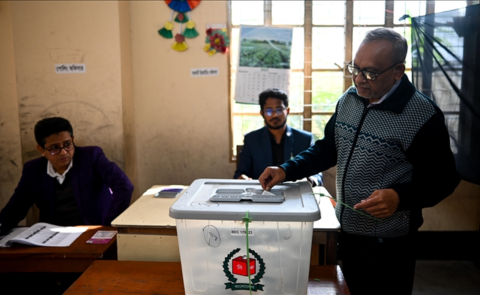
Will Bangladesh polls achieve stability?

In less than a week, on 12 February, Bangladesh will witness one of its most consequential parliamentary elections. The same day, the people of Bangladesh will also vote on a referendum that seeks to overhaul the country’s governance structure. The outcome of both, whichever way they turn out, is likely to pull Bangladesh into a vortex of political turmoil.

News on Air (4) Courtesy: DD News
29 January 2026

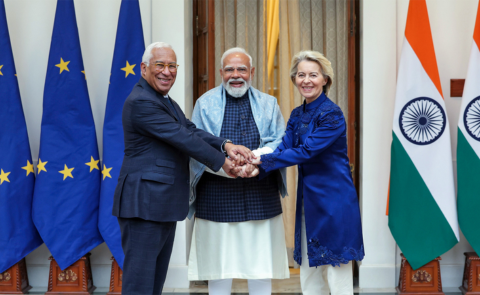
The European pivot to India

By signing the EU-India Free Trade Agreement on January 27, the ties that bind India and the European collective have been re-energised. They are now set to reach new heights, while overcoming past hesitations and divergences.

Website articles  (37) Courtesy: GK newspaper
22 January 2026

Delhi and Dhaka can walk together

On 12 February, Bangladesh will go to the polls to choose a new leader. India should work to maintain a robust and cordial working relationship with the new regime as it did during Sheikh Hasina’s tenure. The new government in Bangladesh should prioritise eliminating anti-India sentiments before they become entrenched, to prevent security challenges for itself and the region.

Website articles  (32) Courtesy: Gateway House
15 January 2026

Reviving U.S.-India high school exchange programmes

The new U.S. Ambassador to India, Sergio Gor, has much to do – and reviving high school exchange programmes stalled due to funding shortages is one important task. Students are a significant element of the bilateral: 300,000 Indian students study in the U.S., but barely 1% of that comprises U.S. students in India. The exchange programmes can bridge the gap - and India can pick up some of the tab.

Website articles  (28) Courtesy: High Commission of India, Colombo
15 January 2026

Leveraging Indian aid for cyclone-hit Sri Lanka

Cyclone Ditawah has put a serious dampener on Sri Lanka’s rosy post-budget economic outlook. Sri Lanka can help itself by using available national resources, but India can help too, by partnering with multilateral development banks to manage the post-Cyclone Ditwah reconstruction implementation strategy. It can also share its experience of implementing gradual economic reforms and policy planning under Niti Ayog to support Sri Lanka’s efforts.

News on Air Courtesy: News on Air
8 January 2026

2026: India’s foreign policy challenges

In the shifting sands of contemporary geopolitics, terms such as ‘fluid multipolarity’, ‘multiplexity’, ‘tripolarity’, and ‘bipolarity with multipolar characteristics’ are replacing the old dogmas and orders. But what is driving the world today? How does India plan to protect its vital interests in the current age of ongoing polycrisis? The road ahead is challenging, marked by risks and uncertainty.

Website articles  (27) Courtesy: Gateway House
8 January 2026

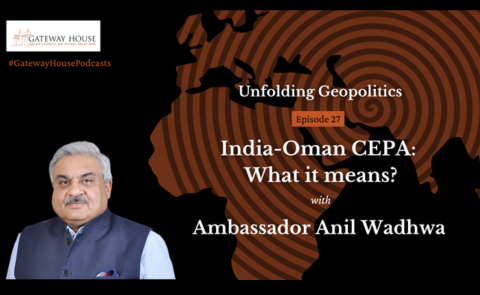
Unfolding Geopolitics Episode 26|India-Oman CEPA: what it means?

India and Oman signed the Comprehensive Economic Partnership Agreement (CEPA) on December 18, 2025. The agreement reflects India’s approach to engaging with trusted partners while rediscovering its historic trading ties. Ambassador Anil Wadhwa explains what CEPA means for India: it is less about becoming a global gateway and more about anchoring a strategic economic partnership in a geopolitically sensitive region.