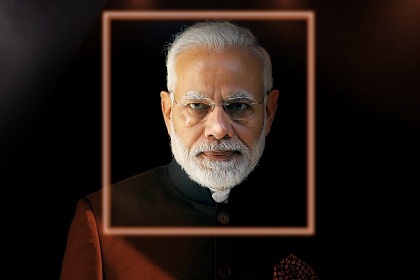
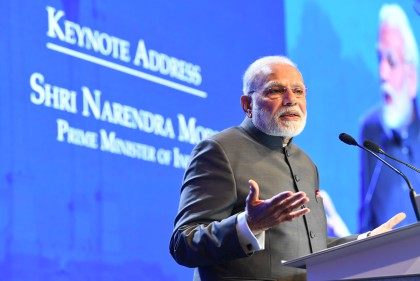
India's foreign policy under the second Modi government will take account of a turbulent world in which the old verities are disappearing and domestic political compulsions exert overwhelming influence on external postures
Japanese Emperor Naruhito’s coronation on May 1, marking the dawn of the Reiwa Era, is a milestone also for the Indian merchant diaspora, which began arriving during the reign of the Meiji Emperor in the 1870s. The strength of the India-Japan bilateral relationship lies in the 150-year-old narratives of these family-run firms and the success of many Indo-Japanese collaborations
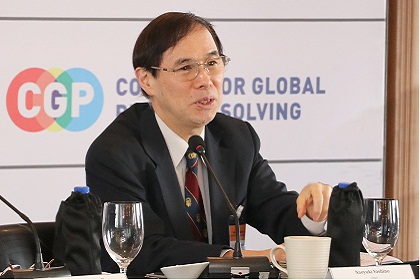
Naoyuki Yoshino, Dean, Asian Development Bank Institute, outlined some of the issues that will concern Japan, which is president of the G20 this year. He was in Mumbai for the India-Japan dialogue, organised by Gateway House recently
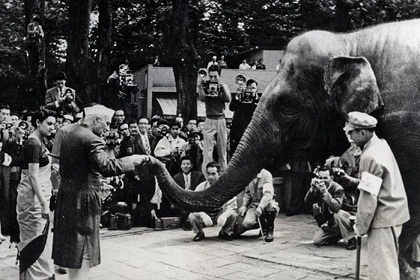
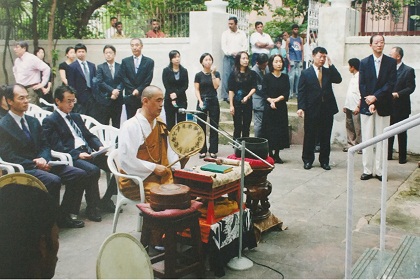
At the turn of the 20th century, British India was home to about 3,000 Japanese expatriates, and Bombay and its presidency had well-established trade ties with Imperial Japan – until the Second World War brought it all to an end. The city never regained its substantial Japanese resident population, but the few monuments that remain point to rich political and religious linkages
Canada, which has been slow to respond to a changing trans-Pacific neighbourhood, can join India and the ASEAN member states to embark on a trilateral dialogue on the Indo-Pacific’s importance in terms of political, strategic and other domains. An alignment in outlook can strengthen the security and prosperity of a region, currently mired in U.S.-China rivalries
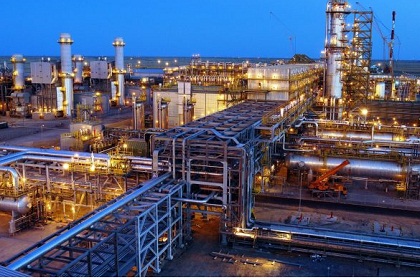
The main objective of the Shanghai Cooperation Organisation’s (SCO) Energy Club, when Russia formed it, was to market its member states’ substantial oil and natural gas reserves. This map shows some of the important natural gas pipelines, originating from Russia and its neighbouring countries that are not members of the SCO. What can India do to secure supplies from these abundant but currently inaccessible natural gas reserves?
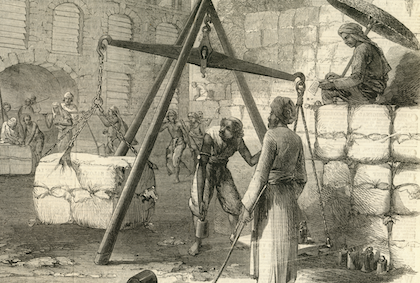
Prior to the Second World War, Bombay had established merchant networks with several Japanese port cities and they drove an enormous global trade in cotton and textiles between the Indian subcontinent and Imperial Japan. Business has become a renewed priority for both countries today, offering fresh opportunities for collaboration
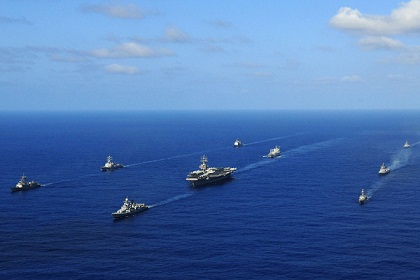
The key global powers are redefining their roles in the Indo-Pacific to promote national interest. China’s rise and increased activism in South Asia and the Indian Ocean region is an uncontested reality even as Asian countries worry about the new cold war in which the U.S. and China are locked. The Quadrilateral Dialogue has reemerged to prevent a unipolar Asia — these are some of the trends unfolding in this arena
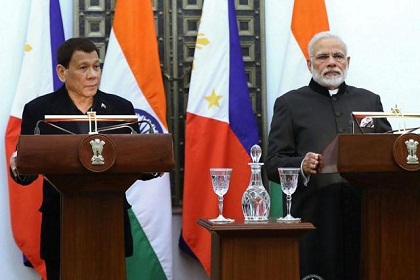
Rodrigo Duterte, President of the Philippines, is a popular, yet controversial figure in a complex country, battling a mix of challenges. In external relations, he has followed a careful balancing policy, giving primacy to China, U.S. and the ASEAN
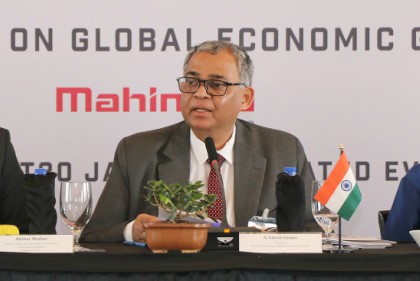
The following remarks were given by A. Gitesh Sarma, Secretary, Ministry of External Affairs, Government of India as the Keynote Speaker at the Think20 Mumbai 2019 roundtable discussion on January 28, 2019