bob dowling financial crisis_210x140 Courtesy: Katrina.Tuliao/Flickr
21 April 2011

How powerful are the world’s bankers?

The 2008 financial collapse has economists pondering over the stability of global economies and the ability of those with financial power to maintain their wealth. If such a situation recurs, who will be held accountable?
UN Photo Marco Castro_210x140 Courtesy: UNPhoto/MarcoDormino
12 April 2011

New trends in the management of upheaval

A new United Nations doctrine is revolutionising the manner in which Western powers achieve regime change. Under the pretext of “Responsibility to Protect” –as the doctrine is named –armed intervention does not depend on the aspirations of a populace but the facilitation of existing power equations

AL J Libya fLICKR Courtesy: AlJazeeraEnglish/Flickr
31 March 2011

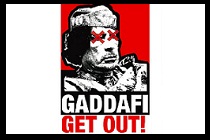
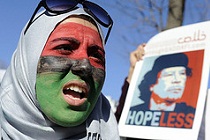
A New Taliban in Libya?

The fundamental problem when supporting an anti-regime opposition is to ascertain the identity and purpose of the rebels. It is a question –which M.D. Nalapat discovers –is never asked by the United States, no stranger to shoring up rebels in far-off countries.

Nina-no wIKIMEDIA Courtesy: NinaAldinThune/Wikimedia
7 February 2011

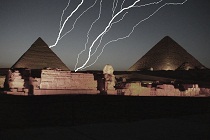
March of Follies in Egypt

There are more than Western interests at play in Egypt. The other catalysts for the unrest are a combination of Iranian adventures, hypocritical policies of West Asian regimes and resurgent commodity speculation in western markets, triggering a rise in prices of basic items in emerging markets

Chuck Kennedy wh_210x140 Courtesy: ChuckKennedy/WhiteHouse
18 January 2011

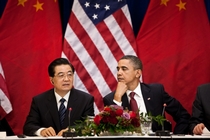
Hu Jintao in Washington

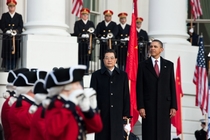
Chinese President Hu Jintao’s visit to the US comes at a time when the geopolitical situation in Asia and the Asia-Pacific region is fluid - consequent to the US deciding to re-energise relations with countries in the region - and when Sino-US relations have been under some strain.

1_210x140 Courtesy:
17 November 2010

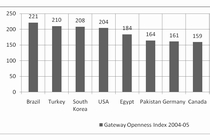
Global Financial Openness Index

Over the past decade, emerging markets that have liberalized are far more open to foreign banks in their markets than are developed economies. A Gateway House study of financial services in 11 countries: four BRIC countries, one emerging market, four developed economies and two developing markets.