PM Modi’s five-nation tour
PM Modi's five-nation tour highlights that despite geopolitical conflicts, New Delhi remains confident in its ability to balance relationships with the North and South.

 Courtesy: X / PMOIndia
PM Modi's five-nation tour highlights that despite geopolitical conflicts, New Delhi remains confident in its ability to balance relationships with the North and South.
 Courtesy: Wikipedia
The lessons of 2024 are a compass for navigating geopolitical currents in 2025. Global conflicts have doubled over five years and ever-changing realities are challenging traditional foresight. With several elections due regionally this year, political fissures within and new foreign diplomacy without, will make the Latin American path one of hard decisions.
 Courtesy:
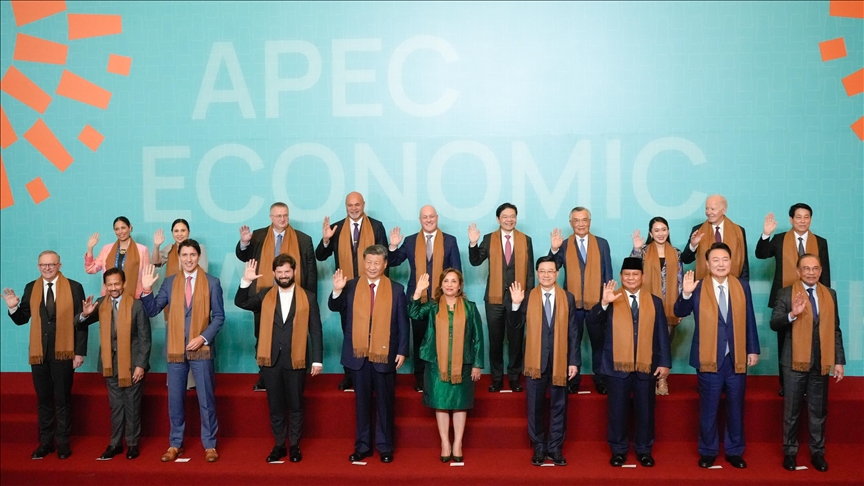
The Asia Pacific Economic Community summit, held in Peru from Nov 13-15, attracted many leaders, but most eyes were on President Xi Jinping of China who cut the ribbon on a Peruvian port, China’s largest investment in South America. Meanwhile the APEC CEO Forum was more interested in the impact of incoming U.S. President Donald Trump on their economies and on the region.
 Courtesy:
India hosted the third Global South Summit virtually on August 17. Such summits are a necessary platform to network with other developing countries and bring neglected issues to attention. But now they must do more than be tick-box events. They must have achievable milestones, actively share experiences and solutions, and show how they matter.
 Courtesy: Fox News
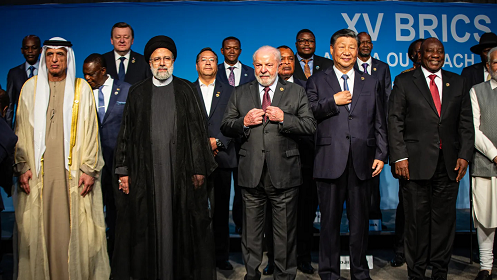
The decision to invite six countries — Argentina, Egypt, Ethiopia, Iran, Saudi Arabia, and the UAE — to join BRICS as full members has opened the grouping to a new geopolitical era. India can now play a seminal but challenging role in this evolved dynamic, given its growing cooperation with the West on the one hand and its active pursuit of the interests of the Global South on the other.
 Courtesy: Twitter/@DrSJaishankar
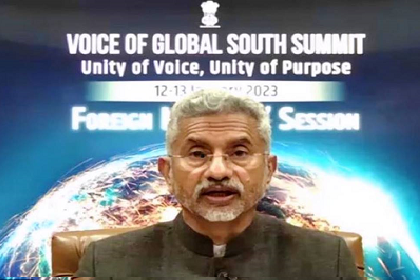
The recent Voice of the Global South Summit in New Delhi attracted 125 developing countries, and some tangible outcomes for India to carry to its G20 presidency agenda. It showed India's equity to be intact, despite a perception that in the past decade, India has moved away from NAM and closer to the developed West.
 Courtesy: PTI
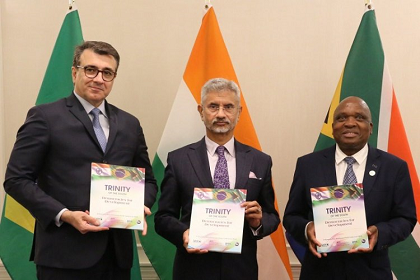
The consecutive Presidencies of the G20 for India, Brazil and South Africa provides a rare, unique opportunity to forge an agenda common to both the G20 and IBSA. The timing is coincident: with Russia and China consumed by conflict and zero-Covid respectively, BRICS has receded. IBSA can convert both crises into an opportunity and become relevant to the Global South’s current and future challenges.
 Courtesy: Reuters
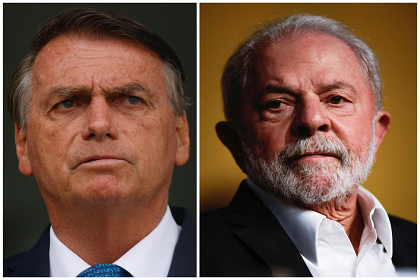
Brazil will head to the polls in a runoff this month to choose its next president. Will it be incumbent Jair Bolsonaro, or former president Lula da Silva? Both are popular with their voter bases, but both have hurdles to overcome, most notably the economy, and have differences on their global political alignment – particularly important as Brazil will be the G20 President in 2024.
 Courtesy: Narendra Modi/Facebook
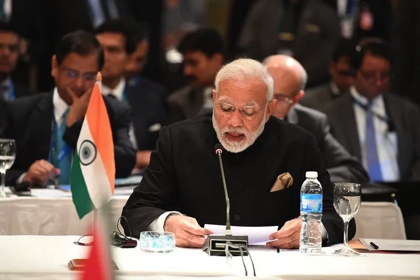
India will be president of the G20 in 2023. The world’s most influential economic governance body is facing an existential crisis, where the major powers have fallen out. With geopolitical currents redefining geo-economics, India needs to be ready to emerge as the chief global diplomat.
 Courtesy: telegraphindia.com
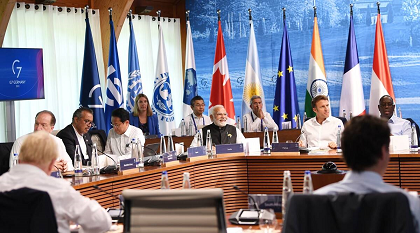
The G7 has reached out to emerging economies which have, of late, been facing challenges on the economic front, brought on by the lingering pandemic and the mismanagement of the Ukraine crisis. They are also seeking, from the global south, a broader acceptance of their world view. Will it be forthcoming?