a model for global data regulation Courtesy: Shutterstock
31 March 2021

A model for global data regulation

Individuals now generate copious amounts of personal data everyday – both online and offline. Devices and infrastructure extract data, which can be shared instantly across borders with diverse entities - without consent. It is imperative that countries come together to create regulations to protect individuals who are unable to control how their data is shared and processed. A model already exists in the Paris Climate Agreement.

shutterstock_1643544484 Courtesy: Shutterstock
18 March 2021

Big, bigger tech: trust and anti-trust

Big Tech wields considerable influence over commerce, speech, media, and politics. Mergers and acquisitions have been key to their burgeoning growth. Now it is clear that their power is buttressed by anti-competitive and predatory practices. Governments across the world are moving to redress this through regulation, but the task is complex.

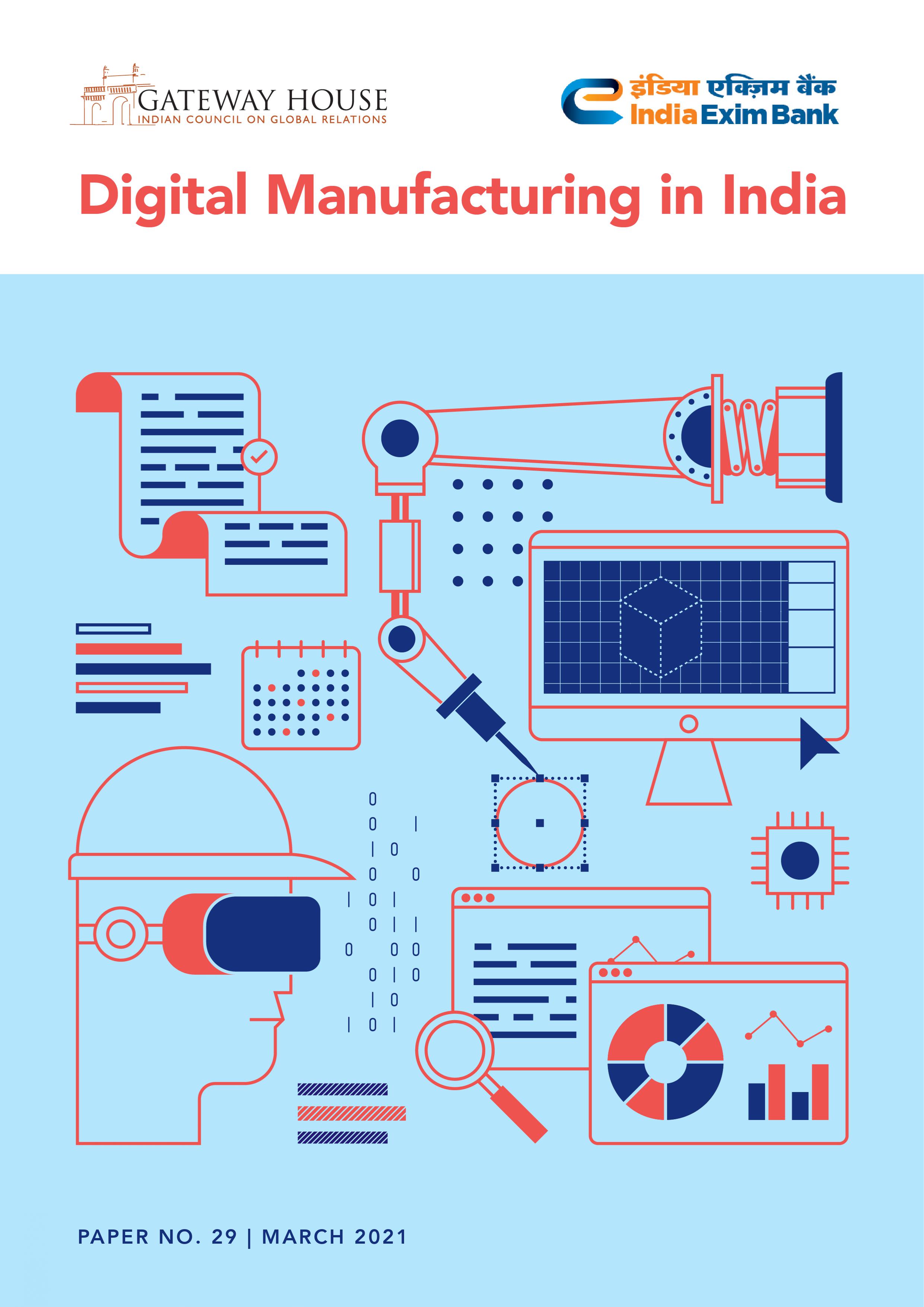
digital manufacturing in india Courtesy: Gateway House
11 March 2021

Digital Manufacturing in India

Digital manufacturing is the next wave of business globalisation, which, post-pandemic is not just blind automation to save costs but the smart use of digital tools to modernise industry and create good quality jobs. Digital manufacturing is the next leap for India’s tech leadership - the first being the software outsourcing movement in the 1990s. This time around, government incentives are aligning with industry interests. It offers India a chance to reposition itself globally, and play a leadership role.

resized intermediary liability Courtesy: Shutterstock
21 January 2021

Regulating Big Tech Intermediaries

Social media platforms such as Twitter and Facebook have come under global scrutiny in recent months following their use to incite or misinform the public. For years, governments around the democratic world have not taken the responsibility to adequately regulate these platforms. Now that may be changing – and it won’t be easy.

Final Courtesy: Gateway House
19 November 2020

Beyond BECA

India has institutionalized a robust civilian-space agreement with the U.S. through the Joint Working Group on Civil Space Cooperation in 2005 and added a military dimension to it in 2020 when it signed the U.S.-India BECA Agreement. The two countries should now partner to secure each other’s interest in the rapidly-maturing space economy sector.

Chai Courtesy: Wikimedia Commons
26 October 2020

India must back Developing World in Space20

The Space20 is the newest sub-forum of the G20 initiated by Saudi Arabia, with the support of the United Nations Office of Outer Space Affairs. India, on its way to the G20 presidency in 2022, should set a comprehensive Space20 agenda for the democratization of outer space, whereby it can share its space growth story with the developing world and achieve its goal to become a global knowledge epicenter.

shutterstock_634271282 Courtesy: Shutterstock
8 October 2020

A compelling case for Digital Service Tax

The current notions of physical ‘permanent establishment’ or tangible locational nexus are not well-suited for the taxation of modern digital economy, especially for taxation of business income, rents or revenue creating activities. In a Covid-19 wrecked global economy, where government revenues are under severe stress, there is a compelling case for a market country or the value-creating jurisdiction to tax the income or rents attributable to the concerned market or location.