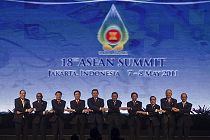
At present, the ASEAN is at a critical phase in its dealings with China – the regional hegemon with growing heft. Why do ASEAN nations need to collaborate and find innovative ways to deal with its giant neighbour.
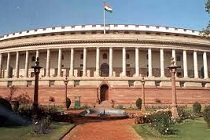
New Delhi has actively worked with Beijing to address its massive bilateral trade deficit. However, it has another option. India can seek greater economic integration with ASEAN and substitute its imports from China with that of ASEAN. The India-ASEAN Summit on December 20 would be a good place to start.
India is tied to West Asia by economic, religious and political threads. The ongoing social and political flux in the region can have adverse consequences for India and requires a serious rethink of its foreign policy priorities. How can India insert itself usefully into this geopolitical cauldron?
The Chinese have learned from Russia’s past mistakes at reforming state-owned enterprises (SOE), and some well-connected politicians have reaped the economic benefits that followed. Will the new administration in Beijing reform China’s SOEs or maintain the large role of government in industry?
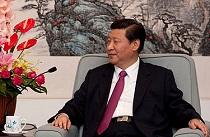
Rising income inequality, corruption and the ouster of former Politburo member Bo Xilai from the Chinese Communist Party were all significant aspects of China’s 18th Party Congress. However, the new leadership has committed to reforms and repeated that increased economic growth will be achieved.
The new President and Premier of China will be formally elected at the 18th Party Congress of the Communist Party of China on November 8. Given the ongoing socio-economic issues and an increasingly independent army, will the new leadership bring about a change in China’s foreign policy?
There’s been much talk about the “the rise of the rest,” with Brazil, Russia, India, and China leading the charge. However, few countries can sustain unusually fast growth for a decade, and even fewer, for more than that. As the boom years begin to end, the international order won’t change as much as expected.
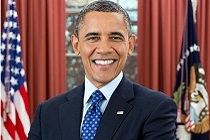
In a recent speech, U.S. Presidential candidate Mitt Romney criticised incumbent President Barack Obama's foreign policies, and called for U.S. supremacy. However, it seems apparent that Romney wouldn’t usher in a foreign policy revolution if elected.
All the major economic forces in the world have come together in Africa in a new version of the Great Game. The competition for the continent’s resources will ultimately harm Africa unless Africa uses this opportunity to its advantage and to address its own serious problems.
Traditionally, the South Pacific islands have been considered strategically insignificant. However, the need for resources, and the geopolitical shift towards Asia-Pacific have prompted nations to realize that these small island states control large resource-rich ocean areas and are increasingly geostrategic.