The Way Forward: Towards 25th Anniversary of ASEAN-India Relations
Ambassador Rajiv Bhatia participated as a panelist at edition VIII of the Delhi Dialogue hosted by IDSA.


Ambassador Rajiv Bhatia participated as a panelist at edition VIII of the Delhi Dialogue hosted by IDSA.
 Courtesy: PTI
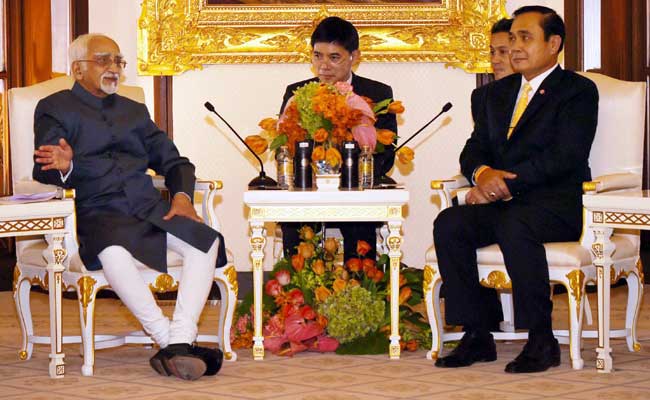
Vice President Ansari’s recent visits to Brunei and Thailand provided further clarity to the Act East Policy while advancing its implementation. He effectively showcased that the rationale for a strong India-ASEAN strategic partnership is sharper than before.
 Courtesy: Wikimedia
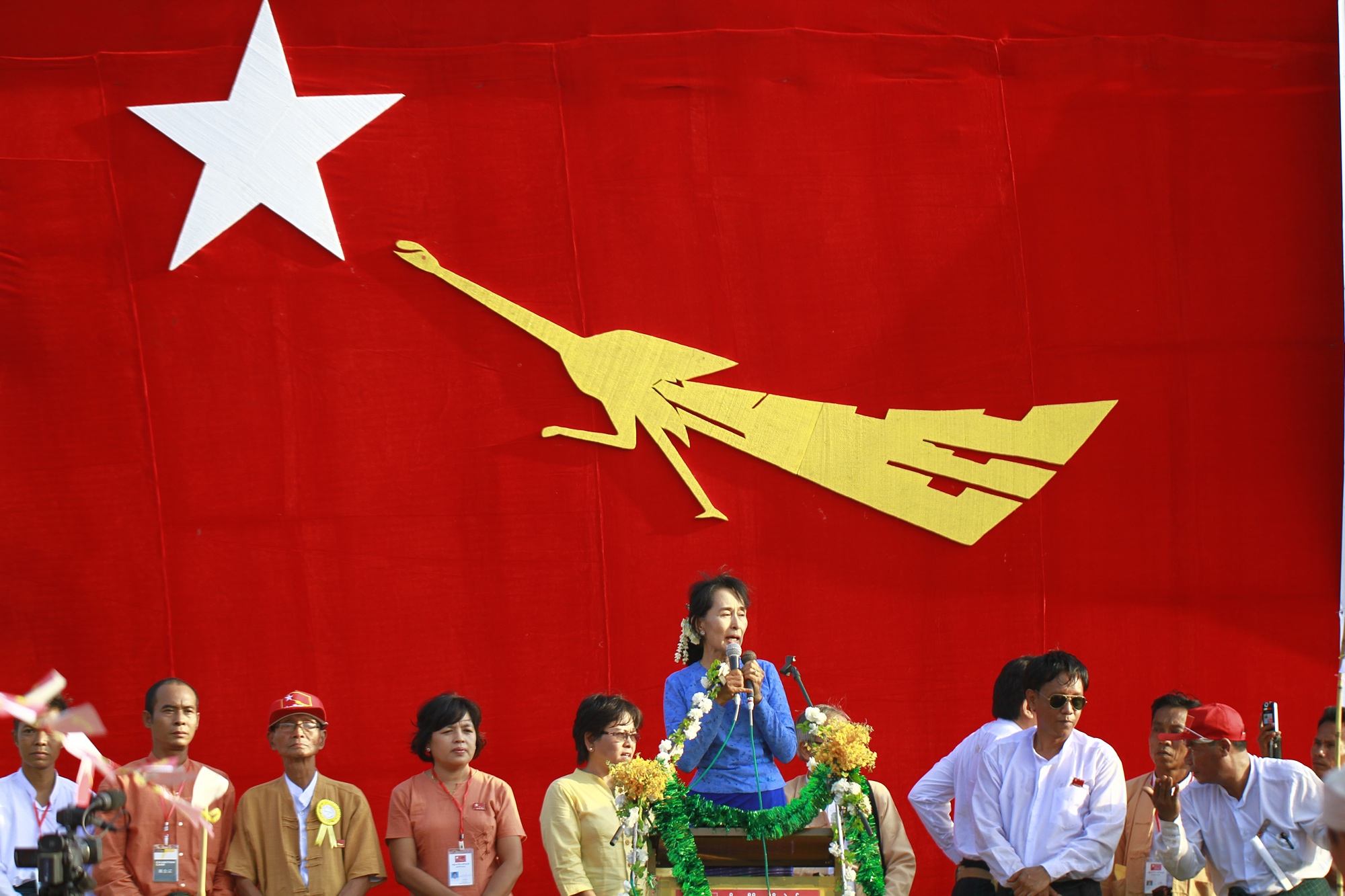
The elections are over and the transition towards a democratic government in Myanmar is currently underway. However, the sailing isn’t as smooth. The NLD and the military are in agreement but are cautious at the same time. Myanmar promises to be a car driven by two drivers.
 Courtesy: ustr.gov
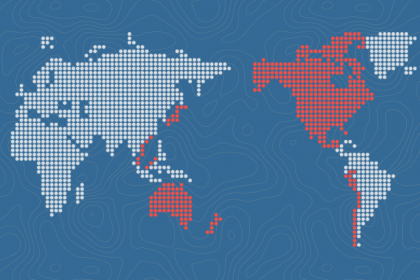
The U.S.-driven Trans Pacific Partnership agreement between 12 countries, which is aiming to become the new standard of world trade, impacts domestic systems globally. For India, it will skew investment and intellectual property rights, and especially the debate over the Investor State Dispute System which allows companies to challenge sovereign rights and public policy.
 Courtesy: Claude TRUONG-NGOC
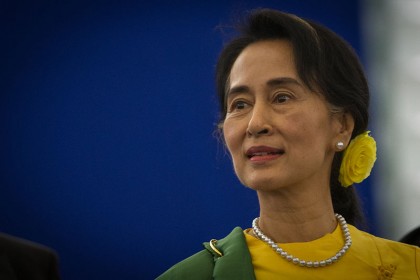
The elections in Myanmar finally come to a close with Suu Kyi-led NLD’s landslide victory. The military establishment has accepted defeat. Suu Kyi, who can't be the president, has made it clear that she would be 'above the president'. How should India read Myanmar now and act to safeguard its interests?
 Courtesy:
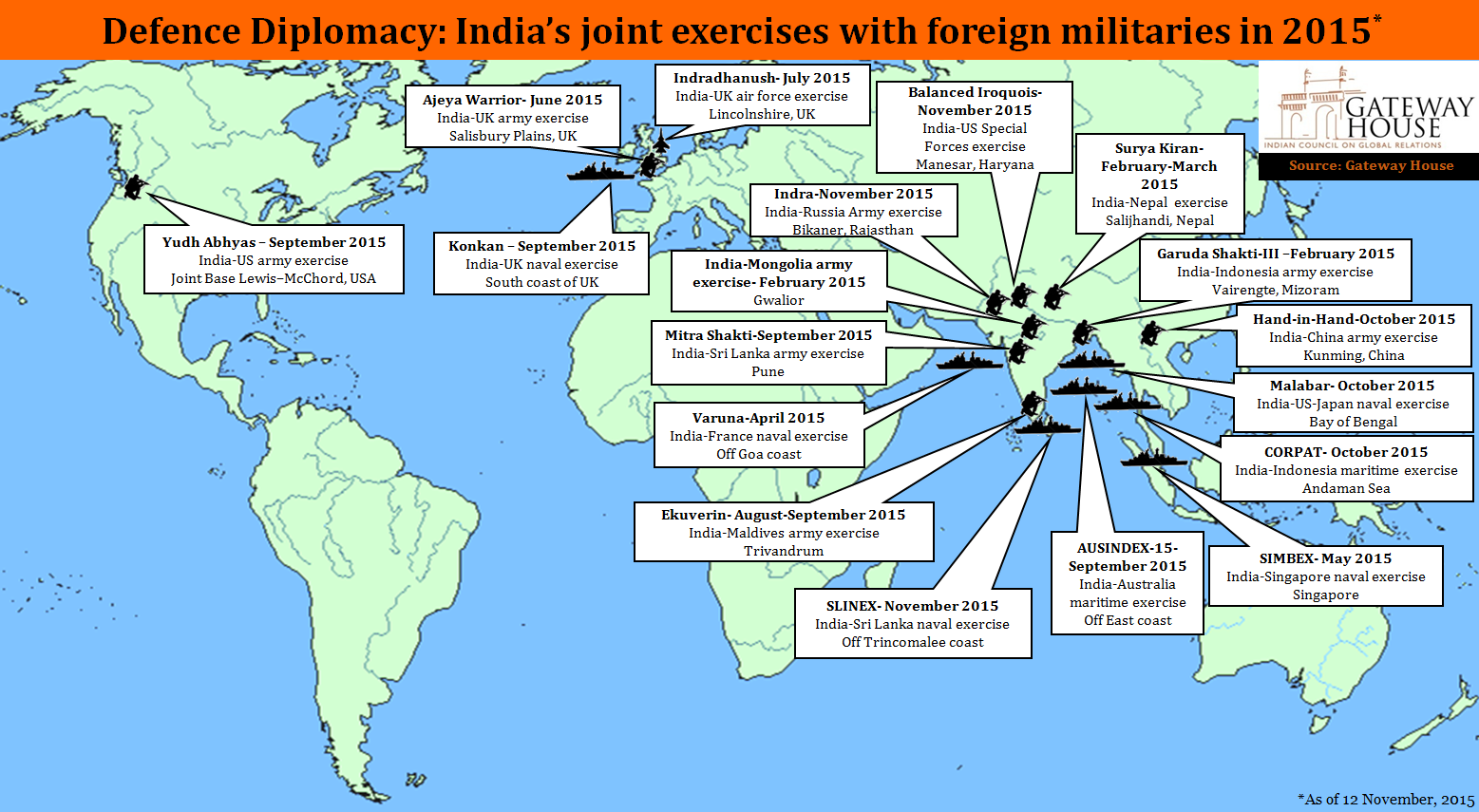
This year, India's defence diplomacy has ramped up. In 2015 alone there have been 18 military exercises- naval, army and air force- with 13 countries, among the largest engagements the country has had. Most significant is Japan joining the Malabar exercises in the Bay of Bengal and the first-ever maritime exercise with Australia. This is increasing India's presence from the Arabian Sea to the Bay of Bengal. As these exercises intensify India will be better positioned to handle regional security challenges.
 Courtesy: MEA / Flickr
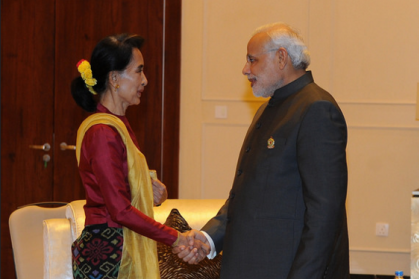
Myanmar is making a transition towards democracy with an election on 8 November, 2015. The elections are expected to be free, if not completely fair. Countries, including China and India are watching the elections keenly with a hope that they will provide for a stable and strong government.
 Courtesy: Wikipedia
Although it is too soon to comprehensively analyse the Trans-Pacific Partnership agreement of October 5, it is worth assessing what is known. Here are the facts, the controversies, the assessments, and the implications for countries that are not part of the agreement, especially India.
 Courtesy: Homen Biswas/Wikimedia
As India celebrates its Independence Day, security situation on eastern borders is gradually moving towards stability with experiments in peace making focused on resolving insurgencies and border management. These experiments coupled with the sub-regional economic initiatives potentially put eastern region on the path of prosperity.
 Courtesy: Madaki/Wikimedia Commons
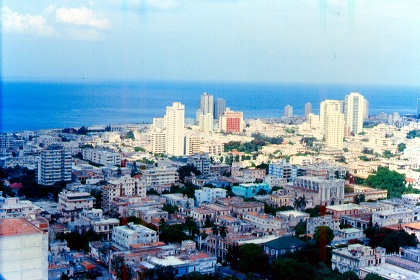
After respite from the U.S. government, Cuba now faces the daunting task of reviving its economy without having to give up on its political ideology. The Singaporean model of limited democracy is something Cuba could emulate.