A time for concerted action among Quad countries: Gateway House Task Force Report
Group identifies areas of potential economic and technological cooperation between four like-minded democracies in the Indo-Pacific


Group identifies areas of potential economic and technological cooperation between four like-minded democracies in the Indo-Pacific
 Courtesy: The Times of India
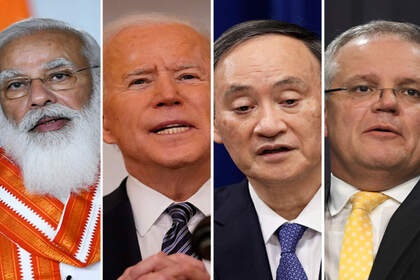
In an interview with Garrison Moratto of The New Diplomatist, Amb. Rajiv Bhatia, Distinguished Fellow, Foreign Policy Studies, counters China's claims that the Quad is an "Asian NATO." He highlights how the India-U.S.-Japan-Australia Quadrilateral initiative aims to increase cooperation in the Indo-Pacific on international law and security. This podcast delves into the history of the Quad's formation, current strategic characteristics, and future geopolitics, ahead of the fall in-person Leaders' Summit in the U.S.
 Courtesy: CNBC-TV18 (Youtube)
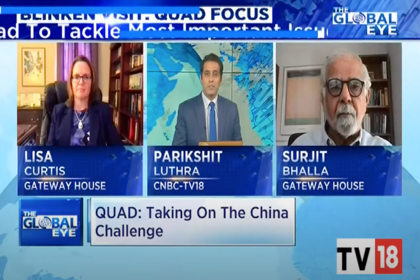
On 30 July 2021, Lisa Curtis and Surjit Bhalla, co-chairs of the Gateway House Quad Economy and Technology Task Force, spoke to CNBC-TV-18 on the various channels of cooperation between the Quad countries in technology, supply chains and undersea cables, and the need to counter China's dominance in the Indo-Pacific.
 Courtesy: Flickr
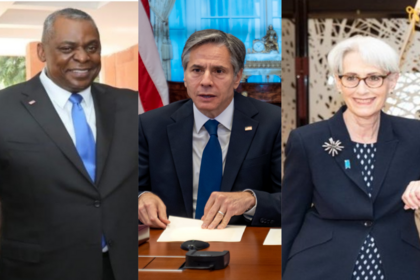
Three senior U.S. officials visited Asia in July in a well-choreographed diplomatic outreach strategy by the Biden administration. The U.S is willing to prioritise the Indo-Pacific and counter China. Asia cannot afford to be a reticent bystander.
 Courtesy: Shutterstock
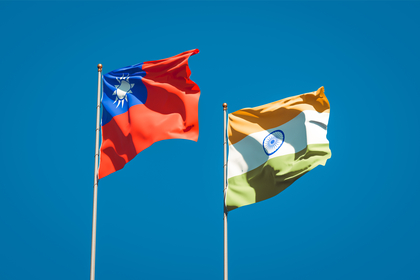
Taiwan was one of the few countries to successfully contain COVID-19 during the pandemic. But China's influence led to Taiwan losing its observer status in the World Health Assembly (WHA), the WHO's decision-making body, in 2017, preventing learnings from Taiwan to be implemented. The G7 and Japan have already backed Taiwan’s reinstatement. India can use its chairmanship of the WHA to rally more support and change the status quo.
 Courtesy: Shutterstock
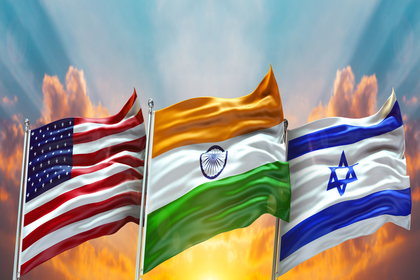
The idea of a U.S.-India-Israel trilateral cooperation is not unknown, but rather unfulfilled. Diaspora associations have repeatedly raised the idea of a technology triangle amongst the three countries, and in 2020, the three countries explored a potential cooperation in 5G communication technology. On these terms, taking advantage of the bilateral synergies and establishing a start-up corridor between Tel Aviv, Silicon Valley, and Bengaluru, can launch this partnership.
 Courtesy: Shutterstock
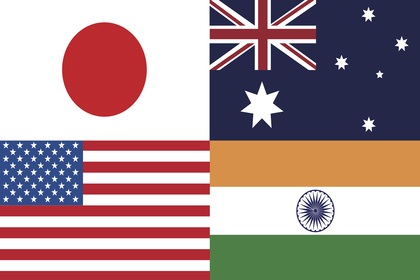
The Quad countries are preparing for an autumn summit in Washington, which will provide an opportunity to discuss multilateral cooperation in various sectors. Four dimensions which merit closer attention and are crucial to the group's future are the Indo-Pacific strategies of European countries and the EU, partnerships with ASEAN and its members, closer India-U.S. ties and maritime security issues in the Pacific.
 Courtesy: Reuters
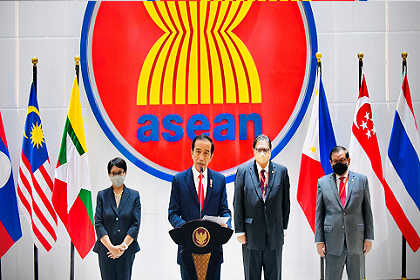
Since the military coup in Myanmar on February 1, violence and protests have broken out across the country and are continuing. Supported by India and Japan, ASEAN has played a key role, by calling the emergency summit in Jakarta. It has bridged internal gaps and helped navigate the international community to a reconciliation of the crisis. India must continue support to such efforts, which aim for immediate and long-term peace.
 Courtesy: Twitter| @usaid_india
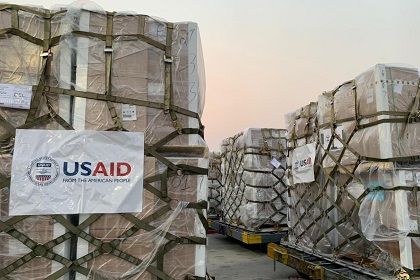
In the past two weeks, the U.S. has been sending planeloads of aid to India. This is a welcome change from its previous hesitation, which turned around in four critical days. It reflects the importance of an effective Indian diaspora and of the Global Comprehensive Strategic Partnership with India.
 Courtesy: @MEAIndia | Twitter
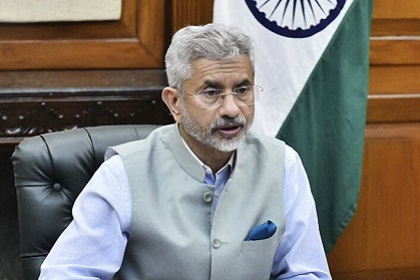
The 17th Bay of Bengal Initiative for Multi-sectoral Technical and Economic Cooperation (BIMSTEC) ministerial meeting was held on 1 April 2021. Though the grouping is ready to move forward, a number of obstacles stand in the way of this, including regional tensions, uncertainties surrounding SAARC and China's involvement in the multilateral. As BIMSTEC is to celebrate the silver jubilee of its formation next year, can it achieve its goal, to effect “a paradigm-shift in raising the level of cooperation and regional integration"?