Chinese manoeuvres further confounding Middle East
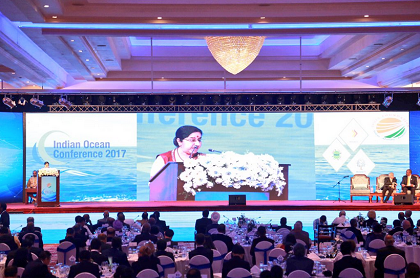
A conference in Doha on ‘Enriching the Middle East’s Economic Future’ offered many insights into the nature of geopolitical relations in the region and India’s significant role in it
Courtesy: to put
A conference in Doha on ‘Enriching the Middle East’s Economic Future’ offered many insights into the nature of geopolitical relations in the region and India’s significant role in it
Courtesy: MEA/Flickr
Regional groupings in South Asia have turned out to be like diligent pupils whose report cards show performance below par. The reasons for such an impasse range from political divergences to the economic downturn and the much talked about China factor that has many implications for India
Courtesy: Western Naval Command
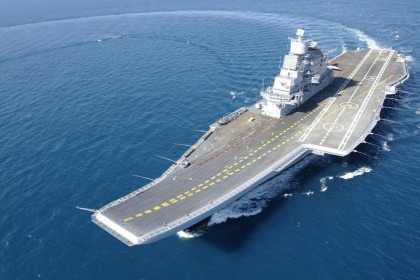
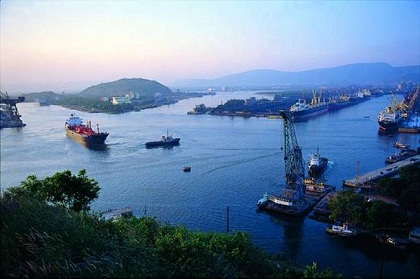
China has expanded its presence in the Indian Ocean Region. President Xi Jinping has abandoned Deng Xiaoping’s conciliatory posture for an aggressive, money-fuelled search for super power status
Courtesy: News Max
China’s credit-led growth is likely to lead to a fairly severe economic crisis in the next two or three years. Recent research suggests that the current tactics may boost short-term growth, but harm its long-term prospects. Time is running out for the country’s ambitious policy-makers
Courtesy: MEA/ Flickr
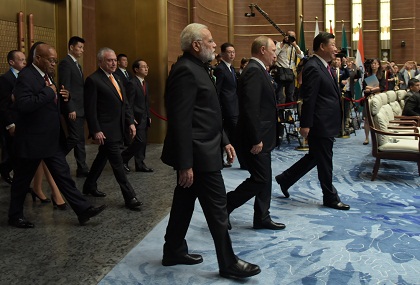
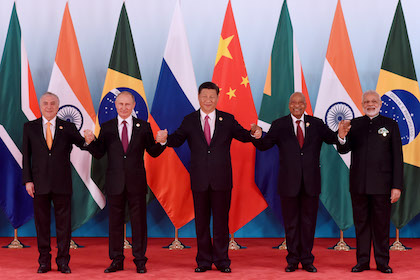
The ninth BRICS summit represented the victory of pragmatism over narrow nationalistic impulses. All BRICS members are likely to craft the grouping’s future script as it enters its second decade, but more crucially, the Big Three will have to show a large dose of statesmanship
Courtesy: MEA/ Twitter
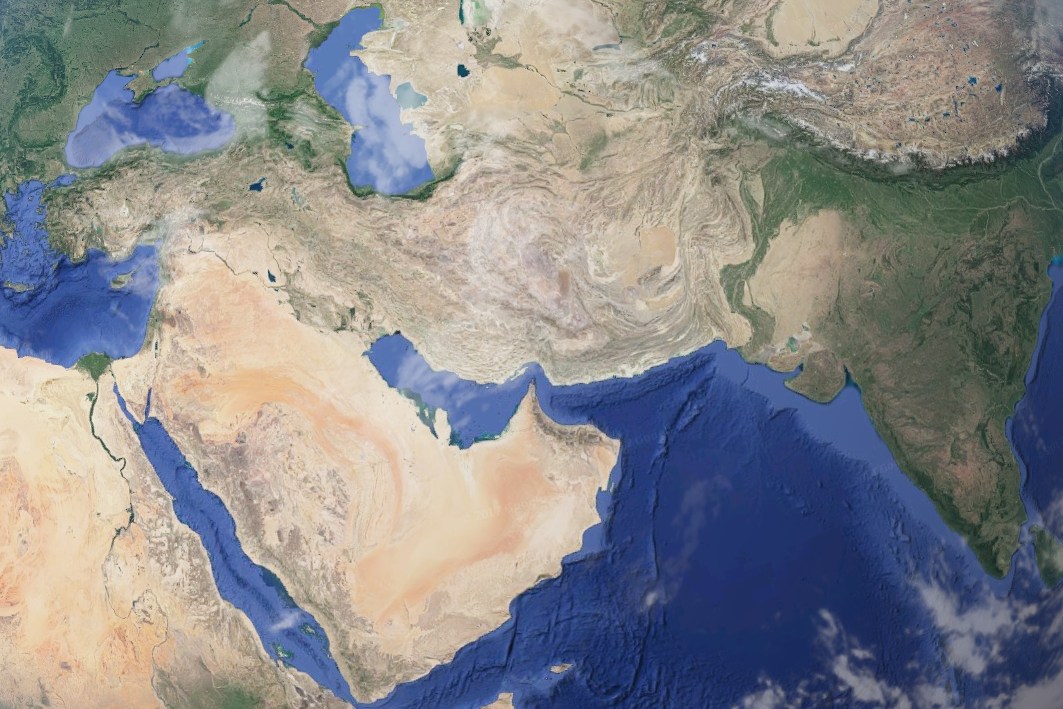
India must deepen its involvement with countries of the Indian Ocean Region on issues of security, commerce, and connectivity: this was the upshot of the second Indian Ocean Conference, held by the India Foundation in Colombo two weeks ago
Courtesy: Wikimapia
The new global emphasis on the Blue Economy is attracting the interest of governments, development agencies, and more recently, social impact investors. A marked change from previous years is the increased participation of developing and coastal economies, which are its very beneficiaries
Courtesy: Narendra Modi/ Flickr
BRICS, which has always been committed to enhancing solidarity, is now entering its second decade – even as tensions between its two most consequential members remain unresolved and member states and other emerging markets are set to serve as “the main engine” of global growth
Courtesy: Gateway House
The Indian government may block the acquisition of Gland Pharma by Shanghai Fosun Pharmaceuticals, a move that offers further confirmation of how China’s opaque business model is causing concern worldwide. This infographic shows some high-profile cases of acquisitions by Chinese companies that ran into local opposition
Courtesy: Gateway House
The multi-polar world that BRICS nations seek is not a reality yet and the differences between them do exist. But the BRICS summit in September offers leaders an opportunity to examine a few important financial issues before they can dictate the global agenda