india FP Courtesy: Reuters
5 January 2023

2023, the year of diplomacy extraordinaire?

2023 brings responsibility and opportunity for India. As the host of the G20 and the Shanghai Cooperation Organization, the world will be watching closely. With this authority, comes challenges encapsulated by five C’s: Covid, Contraction, Climate crisis, Conflict and China. If India is able to use its opportunity, the year could end with India viewed as a near-great power, an international bridge-builder, and a successful democracy.
GH in the G20 & T20 Courtesy: Gateway House
16 December 2022

Gateway House in G20 & T20

Gateway House is the only institution in India that has hosted official and independent meetings under the annual G20 process since 2015. In October 2022, Gateway House initiated an independent G20 Task Force on Energy Transitions and Climate Finance, the first task force of India's G20 Presidency of 2023. In this compendium of reports, Gateway House assesses and includes its engagement with this influential multilateral through task forces, research and meetings of the last nine G20 Presidencies.

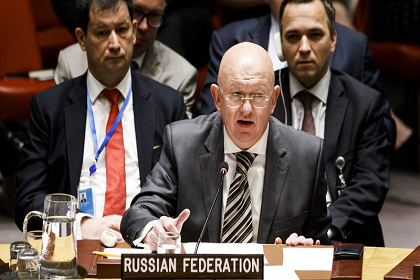
UN Russia Ambassador Courtesy: Justin Lane/European Pressphoto Agency
5 October 2022

Double standards at the UNSC

The BRICS have largely abstained from the UNSC resolution condemning Russia’s attempts to annex four Ukrainian provinces. Is it BRICS solidarity or is it because the interests of the Global North and its allies, and those of the Global South, are diverging?

GIGA_map_of_Indo-Pacific_Kontur_resize Courtesy: Science Po
28 July 2022

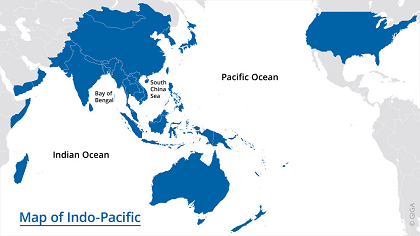
India’s blue economy and the Indo-Pacific’s future

The Indo-Pacific region envisages the Indian and Pacific Oceans as a continuum and stands on two central pillars – maritime security and economic development. The public discussions, however, are focused on maritime security, strategy and geopolitics, while economic development has received less attention. This imbalance can be corrected by creating an awareness on how to harness the potential of the region's Blue Economy and its vast resources and opportunities.

twitterCPR Courtesy: Juggernaut
20 July 2022

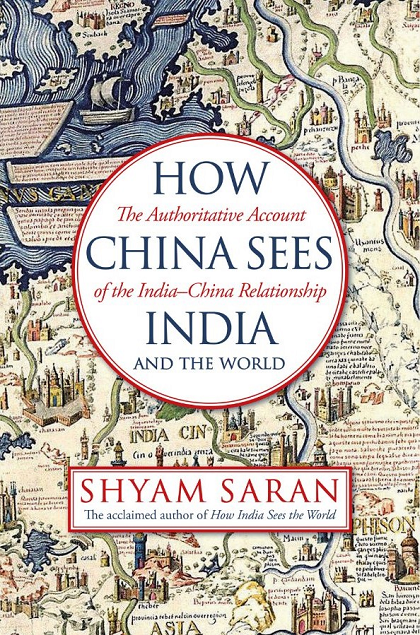
How China Sees India and the World

In his new book, former Foreign Secretary Shyam Saran demystifies China's imagined belief of itself as the Middle Kingdom. Contemporary China's propensity to cut and paste history has resulted in China's resentment of India based on a limited understanding of Indian history and of China's past recognition of India as an advanced civilisation which impacted Chinese culture. Today the West recognises India's potential to match China, with depth and skills, over the long term.

G7GS Courtesy: telegraphindia.com
13 July 2022

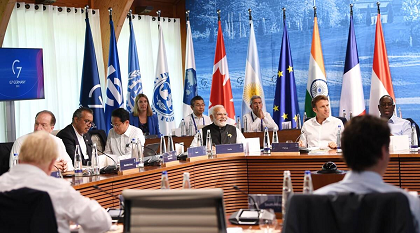
The G7 woos the global south

The G7 has reached out to emerging economies which have, of late, been facing challenges on the economic front, brought on by the lingering pandemic and the mismanagement of the Ukraine crisis. They are also seeking, from the global south, a broader acceptance of their world view. Will it be forthcoming?

srinagar1 Courtesy: iStock Images
5 July 2022

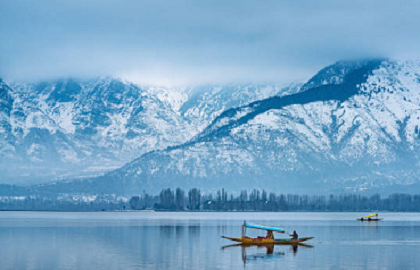
G20 positioning from Srinagar?

Holding one of the G20 meetings in Jammu and Kashmir is a bold, audacious and timely move. It is possible because of the ceasefire along the Line of Control which has been holding since February 25, 2021. The new geopolitical setting offers India an opportunity to diplomatically disdain the Chinese, camping not too far away in the un-demarcated border areas with India.

7396fefe-aba2-49fe-a3e5-33b8cea9ebf1 Courtesy: WWF
30 June 2022

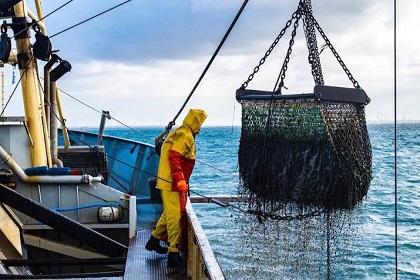
Can the WTO Agreement Stop Unsustainable Fishing?

Hailed as historic, the new global rules to curb harmful fishing subsidies is a step towards sustainable fishery practices. The negotiated deal, however, is fraught with concerns over overcapacity in fisheries, deep-sea fishing legislations, and blue finance. It may be better for developing countries to formulate their own regulations and set up mechanisms to prevent illegal fishing within their territorial waters – and hold the WTO agreement to its word.

indian-navy-1-620x400-1 Courtesy: Financial Express
22 June 2022

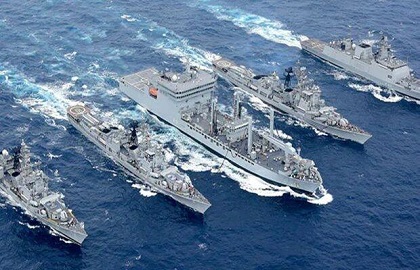
Extending India’s Maritime Security Strategy

Great power competition in the Indo-Pacific is a concern for regional powers. India’s maritime security strategy has adapted to this geo-political change, and is moving from acting as a balancing power, to a leading force in the region. India is a near, yet non-resident power, and has a strategy for providing stability, prosperity, and security in the Indo-Pacific and Indian Ocean regions.

1984F5F8-939B-4A8C-9F74-2C80D3D60F66 Courtesy: TIME Magazine
30 May 2022

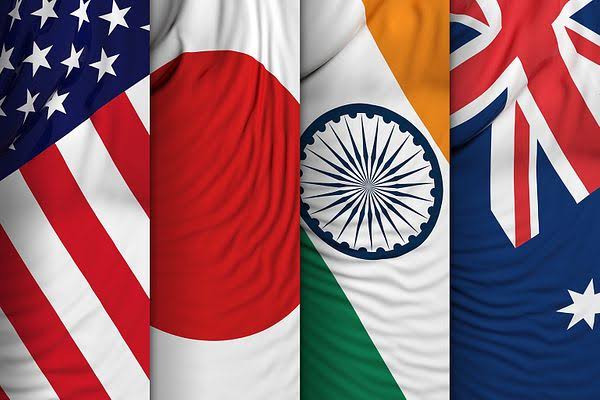
The Quad deepens strategic commitment

After its fourth summit on May 24, the Quad has emerged stronger and clearer in its initiatives which are aimed at addressing the Indo-Pacific’s geopolitical challenges. India now has a chance to work with like-minded democracies on an equal footing, with much to contribute. The Quad’s strategy for the Indo-Pacific is to deepen internalised cooperation for continued peace, prosperity, and stability.