inserting india into u.s.-israel defence technology cooperation Courtesy: Gateway House
15 April 2021

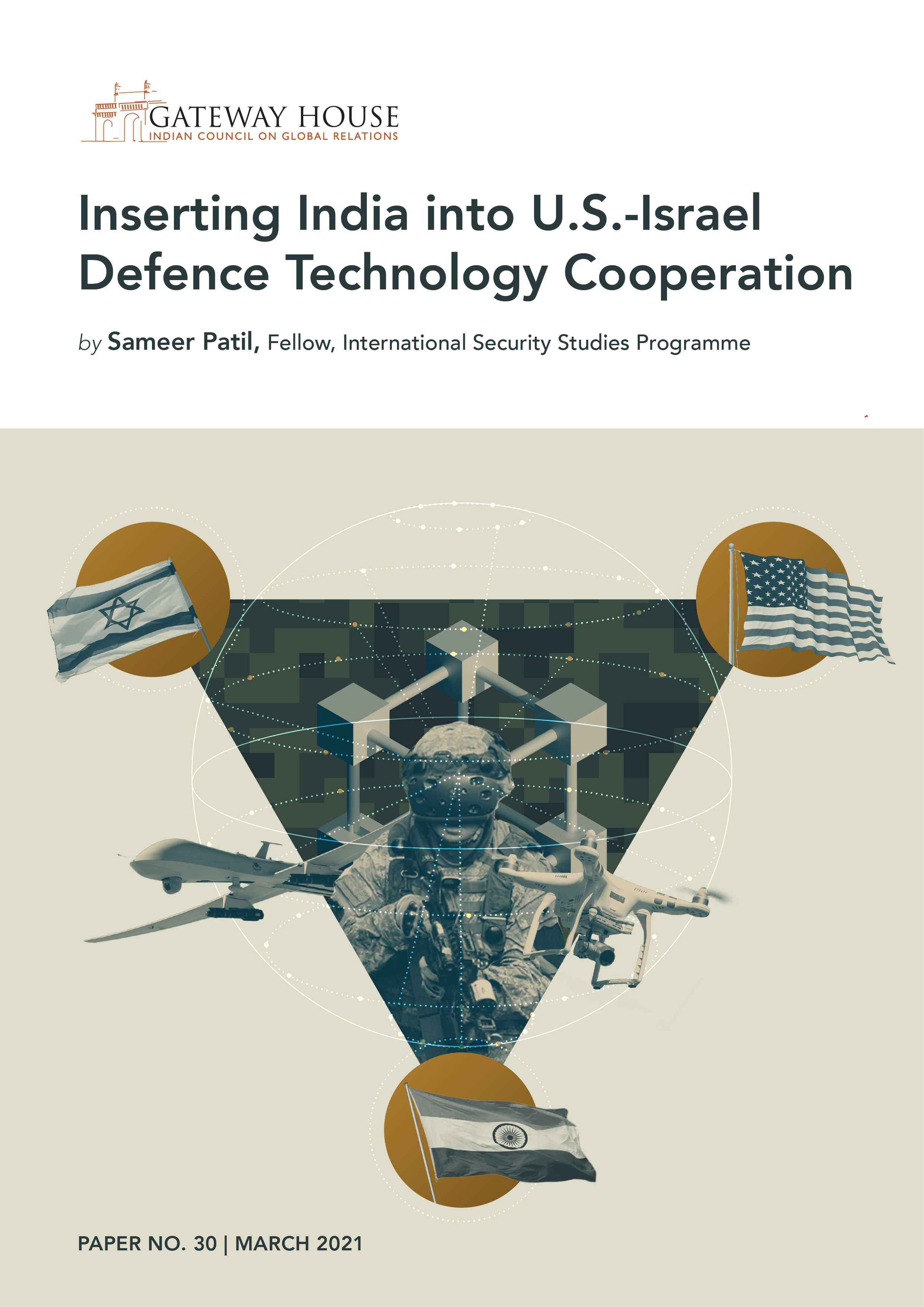
Inserting India into U.S.-Israel Defence Technology Cooperation

Israel and the U.S. have become India's top arms suppliers, with companies from these countries participating in the 'Make in India' initiative. These robust defence partnerships can be elevated, by inserting India into the U.S.-Israel defence technology cooperation corridor. What are the geopolitical and domestic limitations that India must tackle in this effort? What benefit will the U.S. and Israel gain from a partnership with India? This paper studies the U.S.-Israel defence technology corridor, and suggests potential collaborations for India. It recommends the three innovation hubs, Silicon Valley, Tel Aviv and Bengaluru, coming together to maximise their respective strengths and declared national technology priorities.

a defence start-up ecosystem for India Courtesy: Debarpan Das
8 April 2021

A defence start-up ecosystem for India

Following the lead set by the U.S. and Israel, India is now tapping its domestic start-up ecosystem for technological innovation and self-reliance in defence. Indian entrepreneurs are developing niche technologies which will boost the Indian military’s combat capabilities. They are also enabling the much-needed commercial synergy with Silicon Valley venture firms.

shutterstock_404535040 Courtesy: Shutterstock
11 June 2020

Devising an Indian policy on Sanctions for Pakistan

The shifting geopolitics of the COVID-19 crisis might be an opportune time for India to consider new strategies for managing and curtailing Pakistan’s military aggression for the future. One policy tool used effectively by other countries is the imposition of economic sanctions. This podcast discusses the possibility of India imposing sanctions on Pakistan.

Capture d’écran 2020-02-04 à 16.00.17 Courtesy: Foreign Affairs
4 February 2020

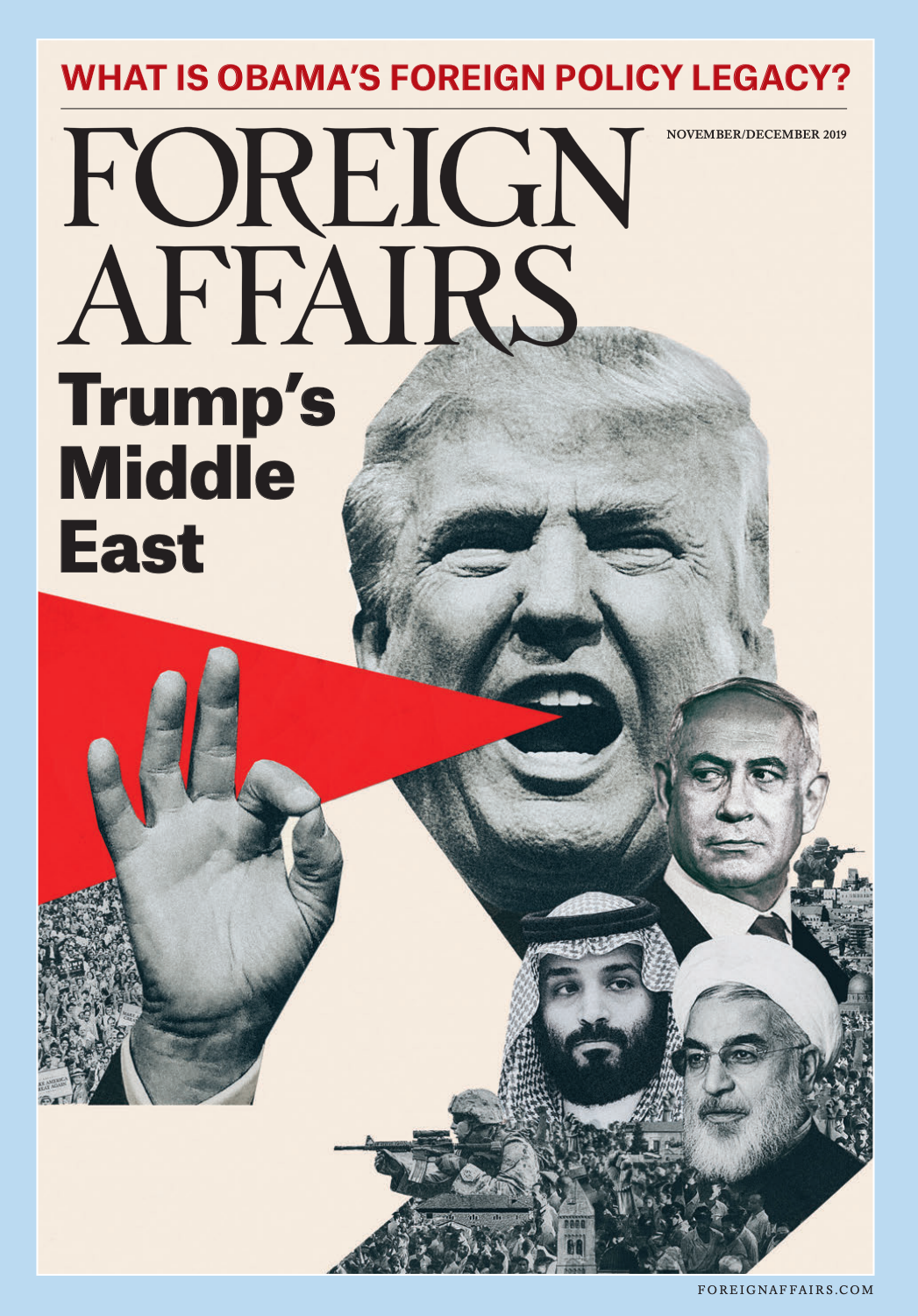
The Unwanted Wars

Countries in the Middle East, such as Iran, Israel or Saudi Arabia, do not want a military confrontation. Yet, current circumstances conduce to the breaking out of just such a war

1234 Courtesy: MEA/Flickr
23 January 2020

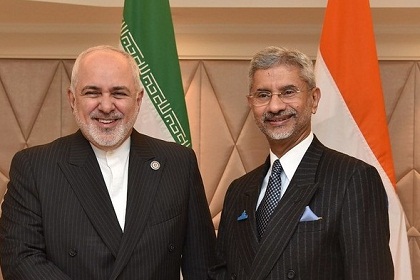
Javad Zarif’s India outreach

Iran’s foreign minister Javad Zarif was in Mumbai on 16-17 January 2020, just days after the Iran-U.S. showdown in Iraq and the assassination of Iran’s top general. Zarif explained Iran’s dilemma to audiences in India and was hoping for public support. But the fact is that the January tensions are not Iran’s problem alone; it’s a global game-changer that has propelled the formation of new alliances

shutterstock_294753152 Courtesy: Shutterstock
9 January 2020

Conflict with Iran primes U.S. economy

Oil prices, arms exports and conflict are inter related especially when it comes to the U.S. Its arms industry grows when high prices and conflicts coincide. This has kept West Asia on a perennial geopolitical boil. This infographic charts the highs and lows of U.S. arms sales, especially in the light of conflicts centred around West Asia

aashna-china Courtesy: Gateway House
14 May 2018

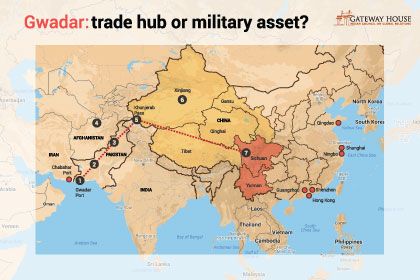
Gwadar: trade hub or military asset?

China’s ostensible intentions are to turn Gwadar port into a focal point of the China Pakistan Economic Corridor. But the geography of the region is a major stumbling block in the realisation of these ambitions and raises questions about the project’s underlying motives