INF Treaty: China behind U.S. exit
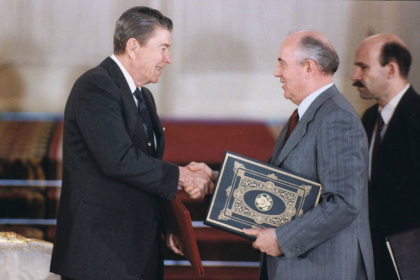
America’s withdrawal from a Cold War arms control agreement seems to be dictated by China’s development and deployment of thousands of short and medium range ballistic missiles.
Courtesy: Wikimedia Commons
America’s withdrawal from a Cold War arms control agreement seems to be dictated by China’s development and deployment of thousands of short and medium range ballistic missiles.
Courtesy: Gateway House
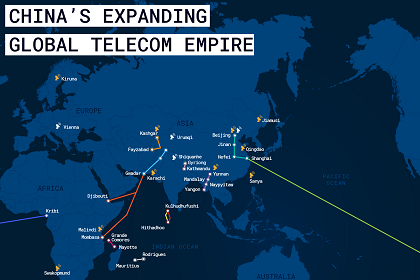
This version of the Gateway House Map on China’s Expanding Global Telecom Empire identifies some more telecommunication assets -- optic-fibre and satellite ground stations -- that Beijing is working on in South and Central America, Africa, Myanmar, the Indian Ocean Region and mainland China besides the existing ones, such as the Pakistan East Africa Cable Express (PEACE). It shows the direction China’s investment is taking, its diplomatic overtures and the larger geopolitical implications of its growing telecom empire
Courtesy: Gateway House
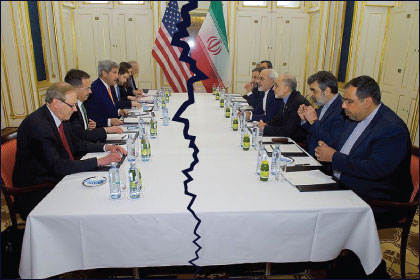
India may end up being the unintended victim of renewed U.S. sanctions on Iran. It will push up the price of oil and cost India billions of dollars annually
Courtesy: Wikimedia Commons
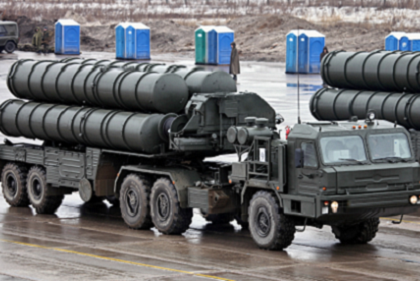
American sanctions on Russian defence companies may end up hurting an innocent bystander: India's defence sector. In particular, they could threaten Indian military procurement, and also may complicate India’s attempts to produce more of its own defence hardware. India needs to study the issue closely to prepare for what may come
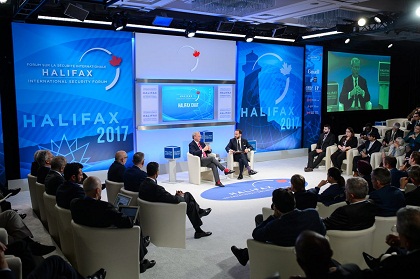
Courtesy: Halifax Conference Twitter
The Halifax International Security Forum offered western policy makers and strategic analysts a chance to reflect on the state of the trans-Atlantic security alliance, especially with the United States under the Trump administration, its relations with Russia, and China’s peaking global ambitions
Courtesy:
Indian President Ram Nath Kovind leaves for Africa on his first foreign visit as president on October 3. His first port of call will be Djibouti, which occupies a strategic location in the Horn of Africa. The country has assumed significance for hosting multiple foreign military bases on its territory, the latest entrant being China. This infographic illustrates Djibouti’s ‘military base’ diplomacy.
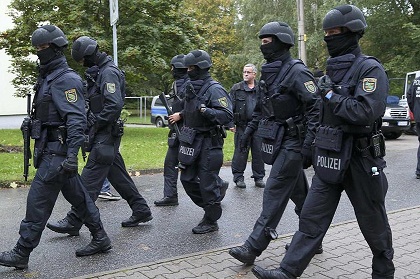
Courtesy: Euro News
The German civil security industry is in the throes of change: it was once an avenue of employment for the less educated or the jobless. Today, companies are increasingly selling comprehensive security solutions. India will gain by being prepared for such trends and technological innovations
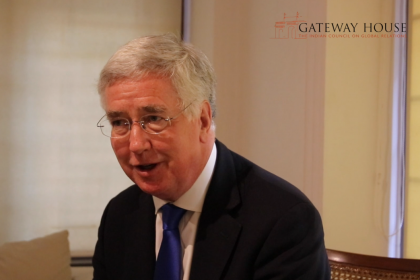
Courtesy: Gateway House
Gateway House, in collaboration with the British Deputy High Commission, hosted a roundtable discussion with Sir Michael Fallon, Secretary of State for Defence, United Kingdom. After the discussion, Gateway House interviewed the Minister about the potential for India-UK defence cooperation in dealing with traditional and cyber threats, and hybrid warfare.
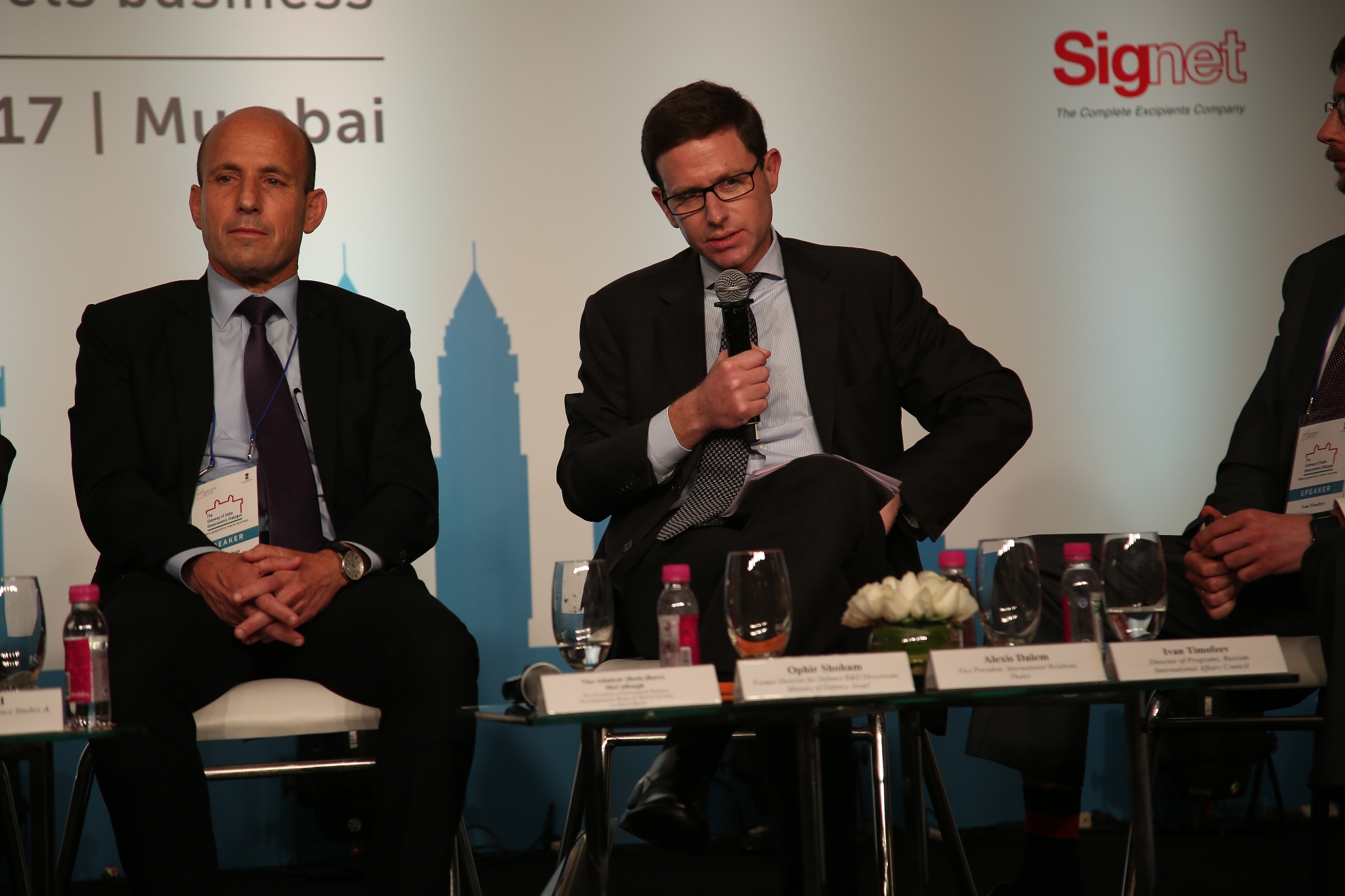
Courtesy: Gateway House
In Alexis Dalem's interview he discusses areas on which Thales and India have collaborated in the past and can collaborate in the future, in the defense, security and aerospace spheres, and under the Make in India policy. He laid emphasis on Thales's policy of willingness for technology transfer and production in India and their ambition to co-develop products and export from India, since they have a strong belief in India's industrial competitiveness and skilled workforce. He further applauds Modi's recent FDI changes in India as it allows for this technology transfer, enables Thales to retain a certain level of control in their subsidiaries in India and creates an investment positive business environment.
Courtesy: Wikipedia
European defence companies can contribute significantly to India’s military modernisation under the ‘Make in India’ campaign. But before this can happen they will have to deepen their interactions in the country at the political and strategic levels to identify common areas of interest and understand India’s technological priorities in the sector