How Iranians see Trump’s hit to the Iran Deal
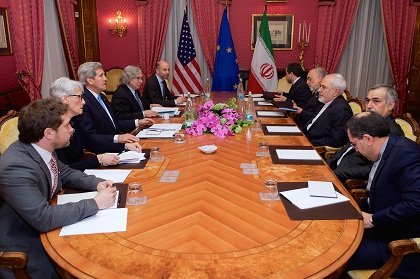
Scrapping the JCPOA will badly bruise Iran’s economy, citizens and foreign relations; it will have an impact on the U.S.’ allies too
Courtesy: U.S. Department of State/ Flickr
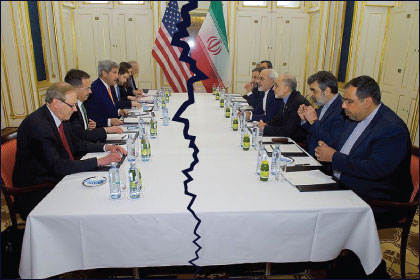
Scrapping the JCPOA will badly bruise Iran’s economy, citizens and foreign relations; it will have an impact on the U.S.’ allies too
Courtesy: Gateway House
India may end up being the unintended victim of renewed U.S. sanctions on Iran. It will push up the price of oil and cost India billions of dollars annually
Courtesy: to put
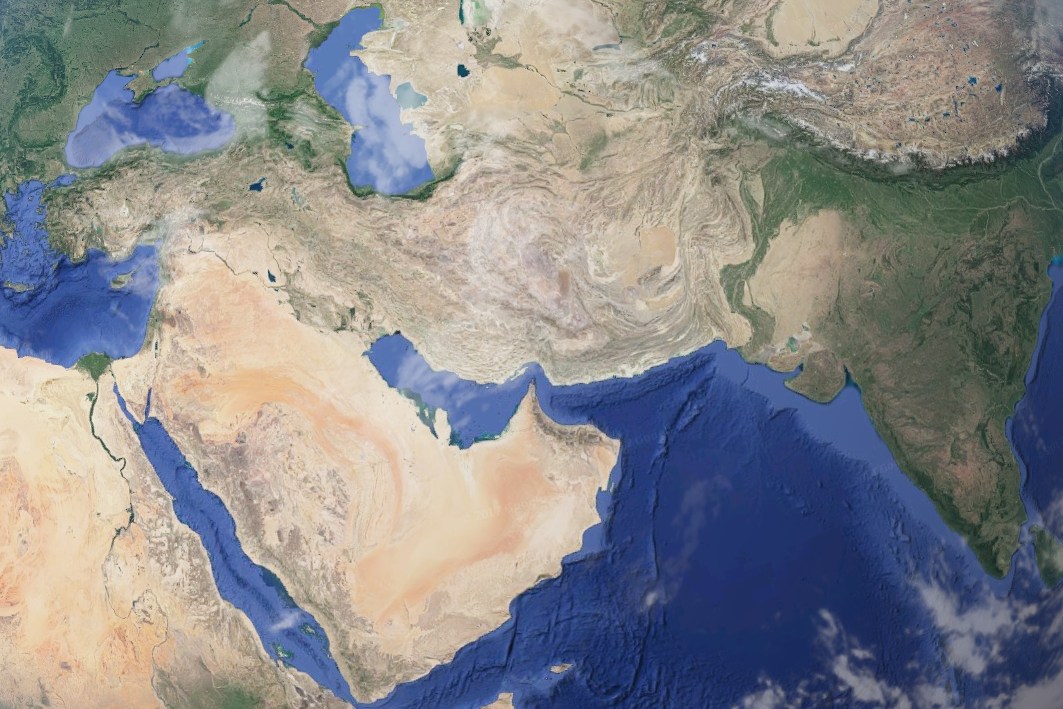
A conference in Doha on ‘Enriching the Middle East’s Economic Future’ offered many insights into the nature of geopolitical relations in the region and India’s significant role in it
Courtesy:
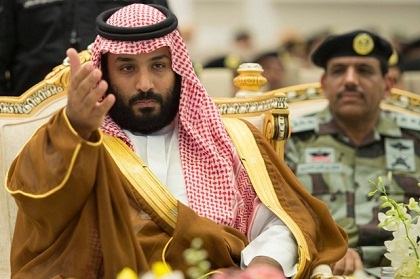
The removal of 11 top ministers in the Riyadh government last week by the young crown prince Mohammad bin Salman, is a geopolitical upheaval, the implications are serious. Domestically, the kingdom is seeking to liberalise its conservative society and move away from oil-dependency – evident from the expected listing of its crown jewel Aramco. For India, which imports oil largely from West Asia, instability could cause a spike in prices, leaving less for its ambitious reforms. Globally, there is now space for new alignments – in the Great Power plays, in the Shia-Sunni rivalry, and in the war on terrorism.
Courtesy:
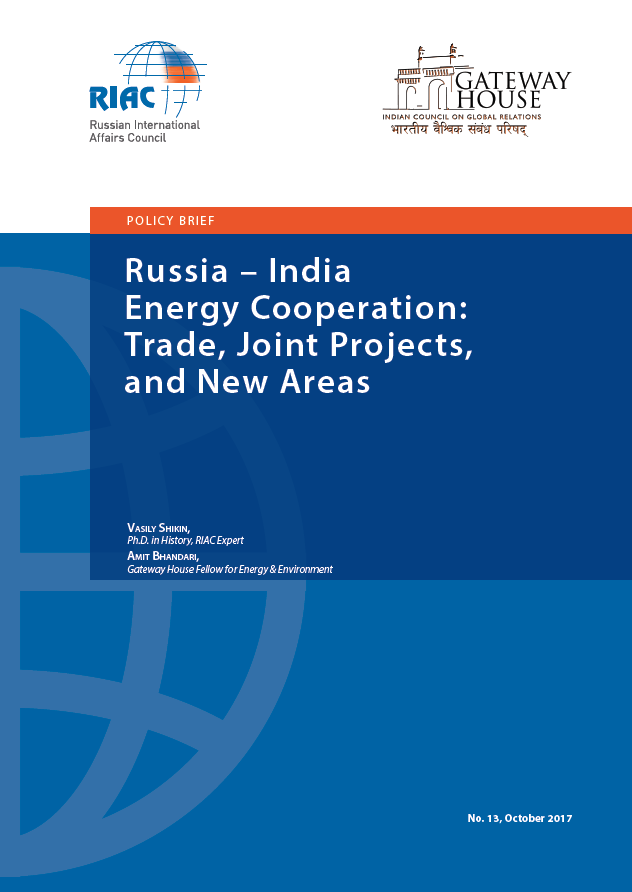
In a policy brief for the Russian International Affairs Council, Vasily Shikin and Amit Bhandari examine the existing energy partnership between India-Russia, evaluate the potential of new collaboration formats, and develop specific recommendations for enhancing cooperation.
Courtesy: Western Naval Command
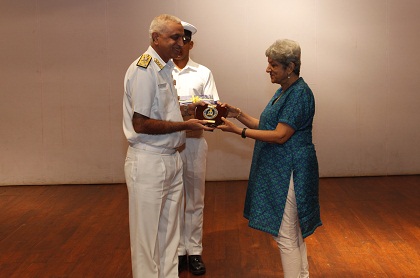
China has expanded its presence in the Indian Ocean Region. President Xi Jinping has abandoned Deng Xiaoping’s conciliatory posture for an aggressive, money-fuelled search for super power status
Courtesy: MEA/ Flickr
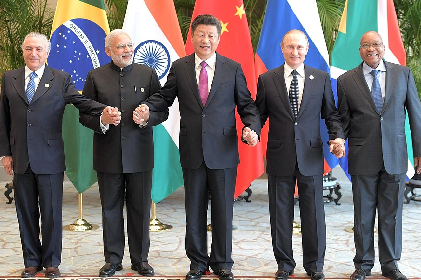
The ninth BRICS summit represented the victory of pragmatism over narrow nationalistic impulses. All BRICS members are likely to craft the grouping’s future script as it enters its second decade, but more crucially, the Big Three will have to show a large dose of statesmanship
Courtesy: Narendra Modi/ Flickr
BRICS, which has always been committed to enhancing solidarity, is now entering its second decade – even as tensions between its two most consequential members remain unresolved and member states and other emerging markets are set to serve as “the main engine” of global growth
Courtesy: MEA/ Flickr
The Indo-Pacific region is home to some of the largest and most rapidly growing economies as also powerful military forces. Nuclear threats, international terrorism and climate change are some of the issues that define the region. Uncertainty dogs relations among the four nations in the top league—U.S., China, India and Japan—but what is emerging is a hawkish, policy stance from the U.S. as opposed to an isolationist outlook apprehended earlier
Courtesy: Gateway House
In this interview Anastasia Likhacheva discusses the impact and a few of the positive externalities of the oil price drop, sanctions and counter sanctions on the Russian economy. Despite Trump’s obvious warmth towards Russia, she doesn’t foresee any major agreements signed between the two countries due to the roadblocks that can be placed by the U.S. Congress and the U.S. Senate. She further describes the role she sees Russia undertaking in Asian financial institutions like the NDB and the AIIB in the future.