Indo-Pacific: New Geostrategic Reality
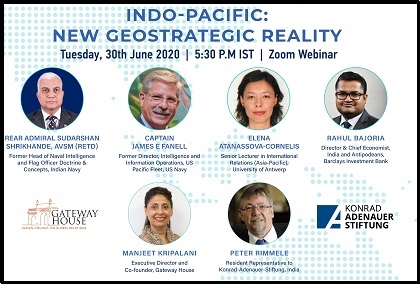
On 30th June, 2020 Gateway House in association with Konrad-Adeneur-Stiftung (KAS) co-hosted a webinar on Indo-Pacific: New Geo strategic reality.
Courtesy: Gateway House
On 30th June, 2020 Gateway House in association with Konrad-Adeneur-Stiftung (KAS) co-hosted a webinar on Indo-Pacific: New Geo strategic reality.
Courtesy: Gateway House
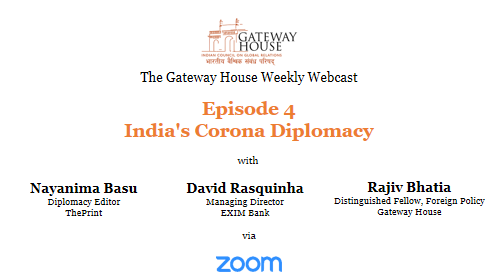
In this webcast, we discuss India's Diplomacy during the COVID-19 pandemic with David Rasquinha, Managing Director, Exim Bank, Amb. Rajiv Bhatia, Distinguished Fellow, Foreign Policy Studies Programme, Gateway House and Nayanima Basu, ThePrint.
Courtesy: Gateway House
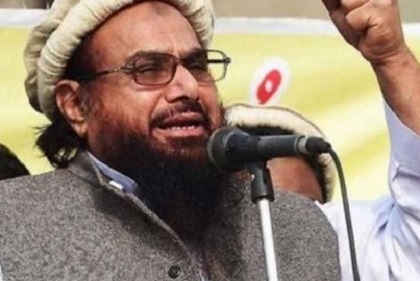
The shifting geopolitics of the COVID19 crisis might be an opportune time for India to consider new strategies for managing and curtailing Pakistan’s military aggression in the future. One policy tool used effectively by other countries is the imposition of economic sanctions. India needs to devise a comprehensive, multi-pronged approach.
Courtesy: Shutterstock
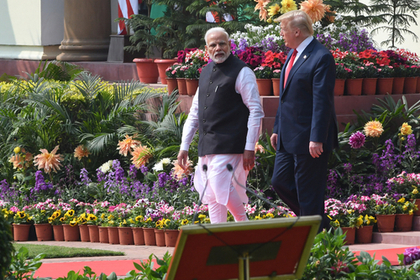
President Trump enjoyed every moment of the hype that attended his February 2020 visit to India, says Ambassador Neelam Deo, Director and Co-founder of Gateway House, in this podcast, even as the focus was on concrete outcomes, such as defence purchases and oil procurement deals. She discusses the geopolitical implications of a closer India-U.S. strategic relationship and the weaknesses of the U.S.-Taliban peace deal
Courtesy: Shutterstock
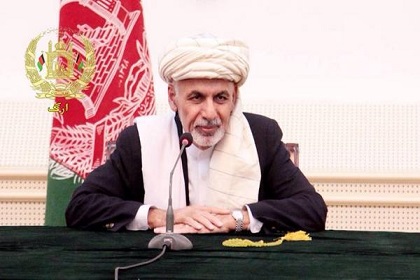
India should stop looking at Afghanistan through the Pakistan prism and be a major contributor in the development of peace and prosperity in the country
Courtesy: The Hindu/Handout
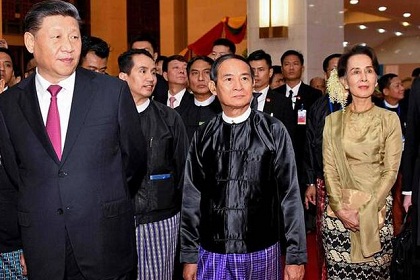
Chinese president Xi Jinping’s visit to Myanmar on January 17 highlighted the economic aspect of the two countries’ bilateral relationship. China has been Myanmar’s top partner for years. But more than the 33 agreements signed, the visit threw light on the region’s changing geopolitics and Myanmar’s own compulsions in growing closer to China
Courtesy: Shutterstock
India will host four prestigious international conferences, such as the India-Africa Forum Summit and the subsidiary SCO Summit in the course of the next three years. These are historic opportunities for the country to show global leadership and fulfil a diplomatic agenda that involves handling strategic competition and advancing partnerships
Courtesy: Shutterstock
The United States’ decision to rebuild Afghanistan’s ring road was a change of strategy from its earlier focus on countering terrorism. But the road remains in a state of disrepair because the U.S.’ commitment to the cause has wilted
Courtesy: Penguin
This book offers a ringside view of evolving Indo-U.S. ties under two conservative leaders, both engaged in mixing nationalism, religion and populism to advance the global capitalist order. The title points to an interesting departure from the more orthodox view of the bilateral relationship, which is usually from the prism of discord or estrangement
Courtesy: Twitter/@MaithripalaS
India is subtly adding four new elements in the policy matrix