Joint-Statement-following-the-22nd-India-Russia-Annual-Summit Courtesy:
18 July 2024

India-Russia relations march ahead

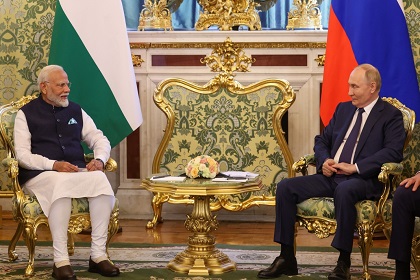
The 22nd India-Russia summit, held in Moscow on July 9 during Prime Minister Modi’s official visit, focused on expanding bilateral economic, energy, cultural and defense cooperation. It indicates the two nations’ commitment to adding substance and new momentum to their relationship. The long-delayed summit, which coincided with the NATO summit in Washington, should be viewed through the wider lens of a multipolar world.

th Courtesy: Economy
16 May 2024

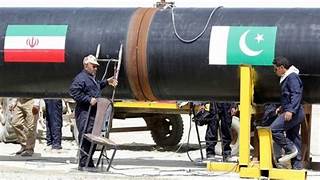
Iran-Pakistan pipeline to nowhere

The long-delayed Iran-Pakistan pipeline has put Pakistan in yet another bind of its own making. Abandoning the project will expose it to Iranian penalties, while completing it will violate the sanctions imposed by the U.S., its financial benefactor, and its other patron Saudi Arabia which competes with Iran for West Asian leadership.

20230309265L Courtesy: The Hindu
28 March 2024

All eyes on the Indian Ocean region

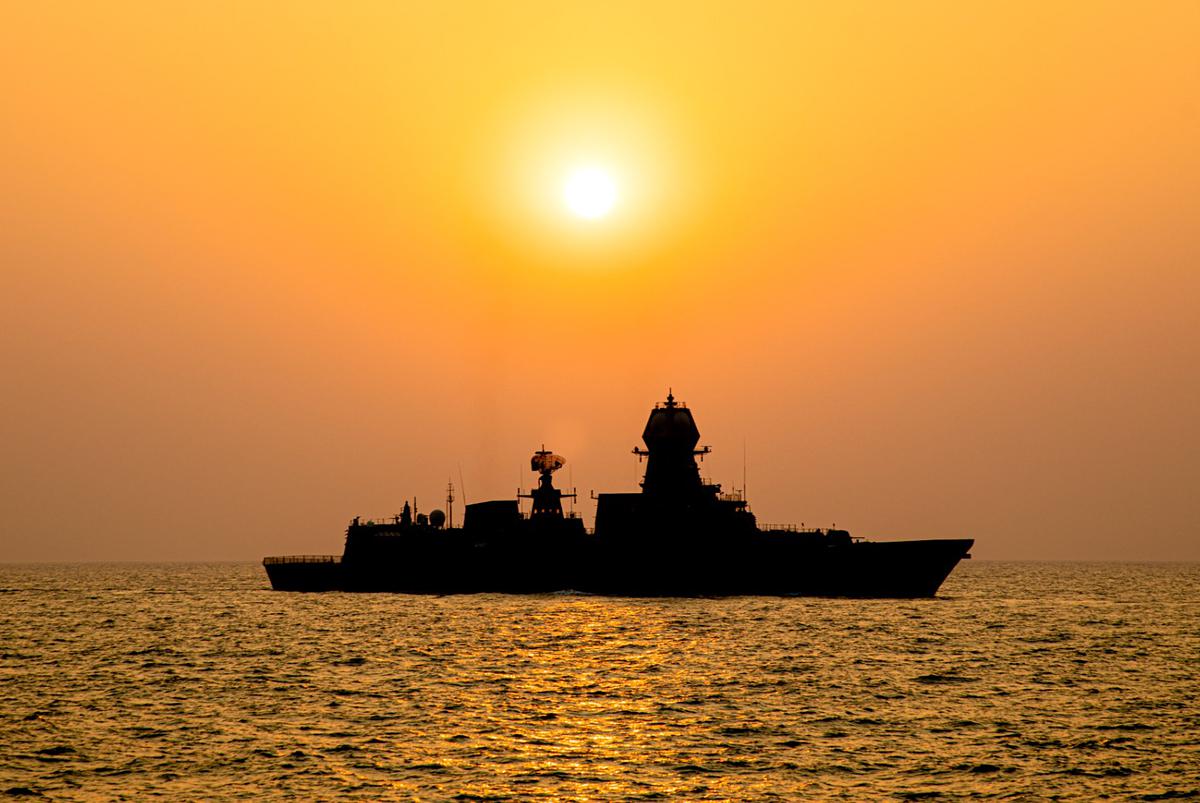
During his visit to New Delhi this week, Australia's navy chief highlighted the need for greater maritime cooperation on security issues in the Indo-Pacific. While India is aware of its growing role in maintaining a free, open and inclusive Indo-Pacific, it must also convey to its partners that on matters of security, it prioritises dangers closer to home in its Indian Ocean neighbourhood.

c-vladivostok Courtesy: Sputnik India
8 February 2024

Reviving the Chennai-Vladivostok Corridor

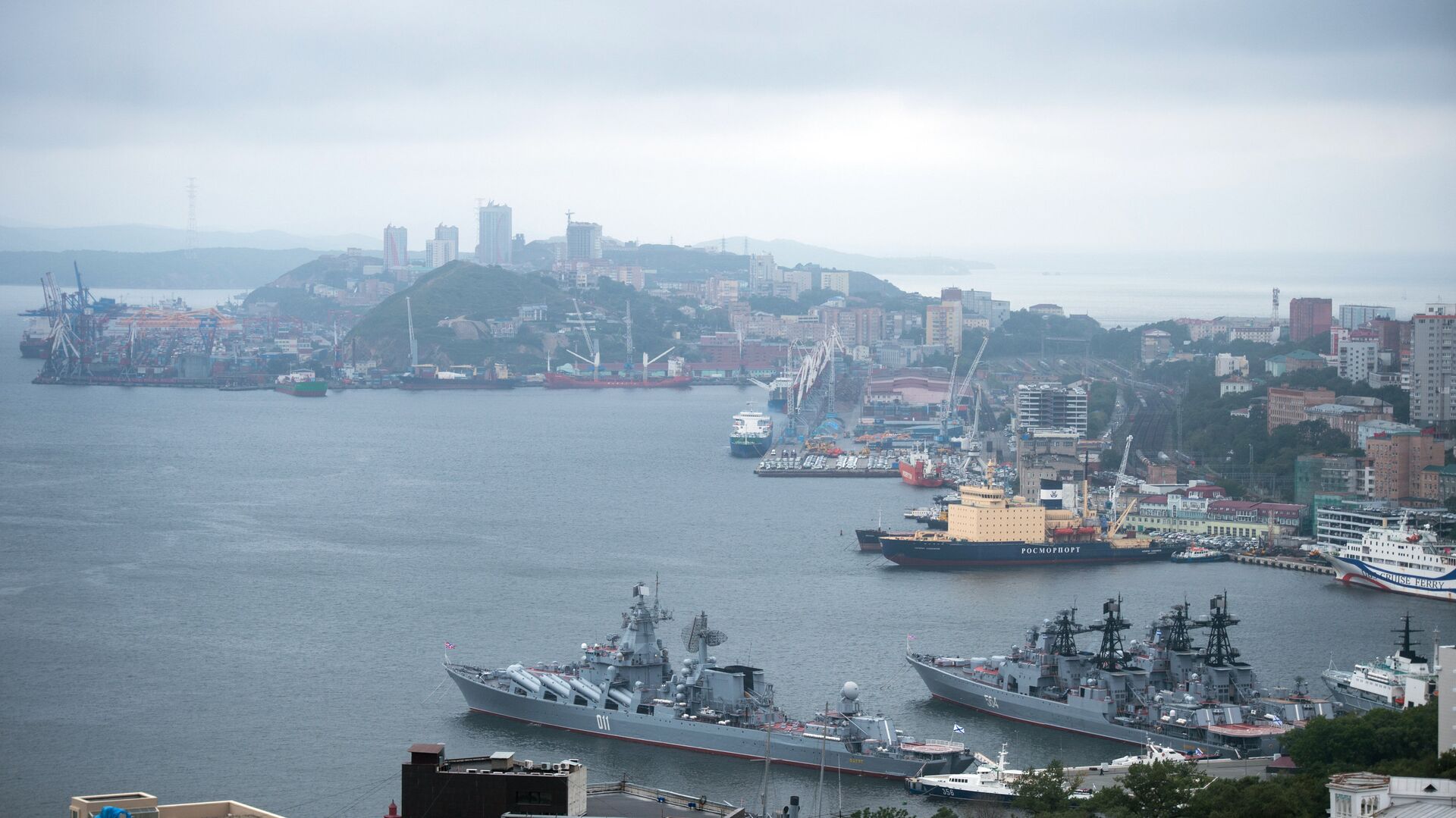
Tensions in West Asia have disrupted global shipping and revived interest in the Chennai-Vladivostok Eastern Maritime Corridor. Better freight and passenger connectivity between Southern India and Russia’s Far East will open new areas for bilateral cooperation such as the export of machinery, auto parts and engineering goods from India, and progressively integrate the economies of the two countries.

160067 Courtesy: Al Majalla
17 January 2024

Unfolding Geopolitics | Episode 3, Understanding the Maldivian position

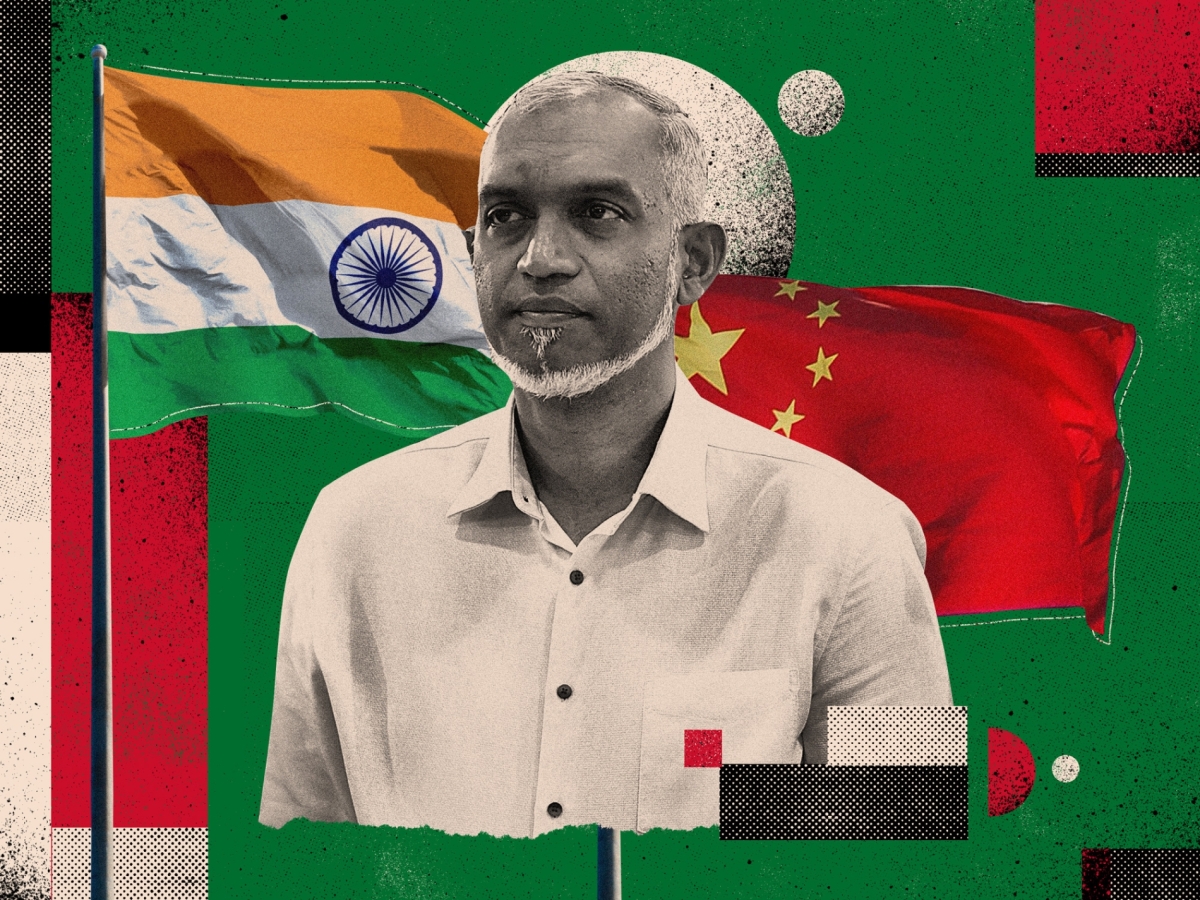
Maldives’ President Mohammed Muizzu’s desire to have an independent foreign policy has steered it away from India and closer to China. It has added a new dimension to the strategic contestation in the Indian Ocean. Rajiv Bhatia, Distinguished Fellow, Foreign Policy Studies, shares his insights on the Maldives’ strategic importance in the region, the ‘India Out’ campaign, and the way forward for Indian diplomacy in South Asia.

maldives china Courtesy: Xinhua
15 January 2024

Maldives’ pivot to China

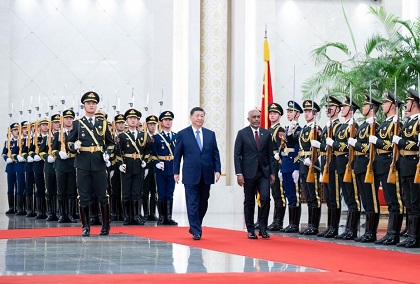
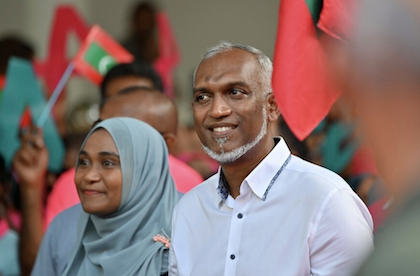
A tiny nation of half a million people, Maldives has drawn enormous attention from the media, diplomats and informed public since Muizzu’s election last September. The interest has only risen after the recent diplomatic row with India and Muizzu’s increased bonhomie with Chinese President Xi Jinping.

india eu japan Courtesy: Institute for Security & Development Policy
11 January 2024

Comparing Japan and EU in India

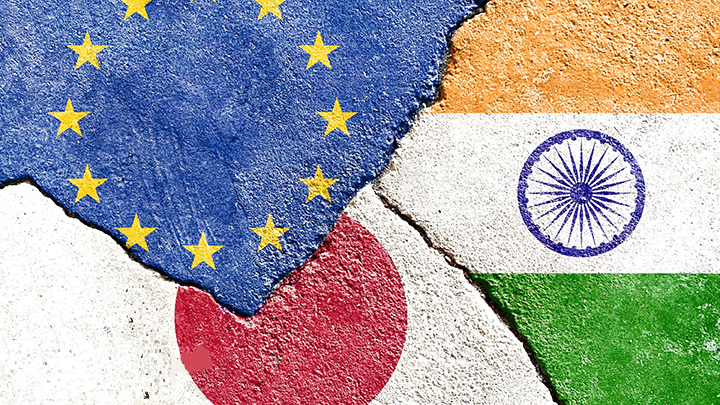
Japan and the EU have a stable and long engagement with India. As India grows in economic and geopolitical significance, both partners must change the lens they view India with. Japan has done better, especially with investment, and because of a common interest and activity in the Indo-Pacific. The EU is driven by Brussels still and needs must overcome that limitation to better leverage India.

Indo-Mayanmar_Friendship_Bridge_MOREH Courtesy: Jurist
11 January 2024

Good fences and good neighbours

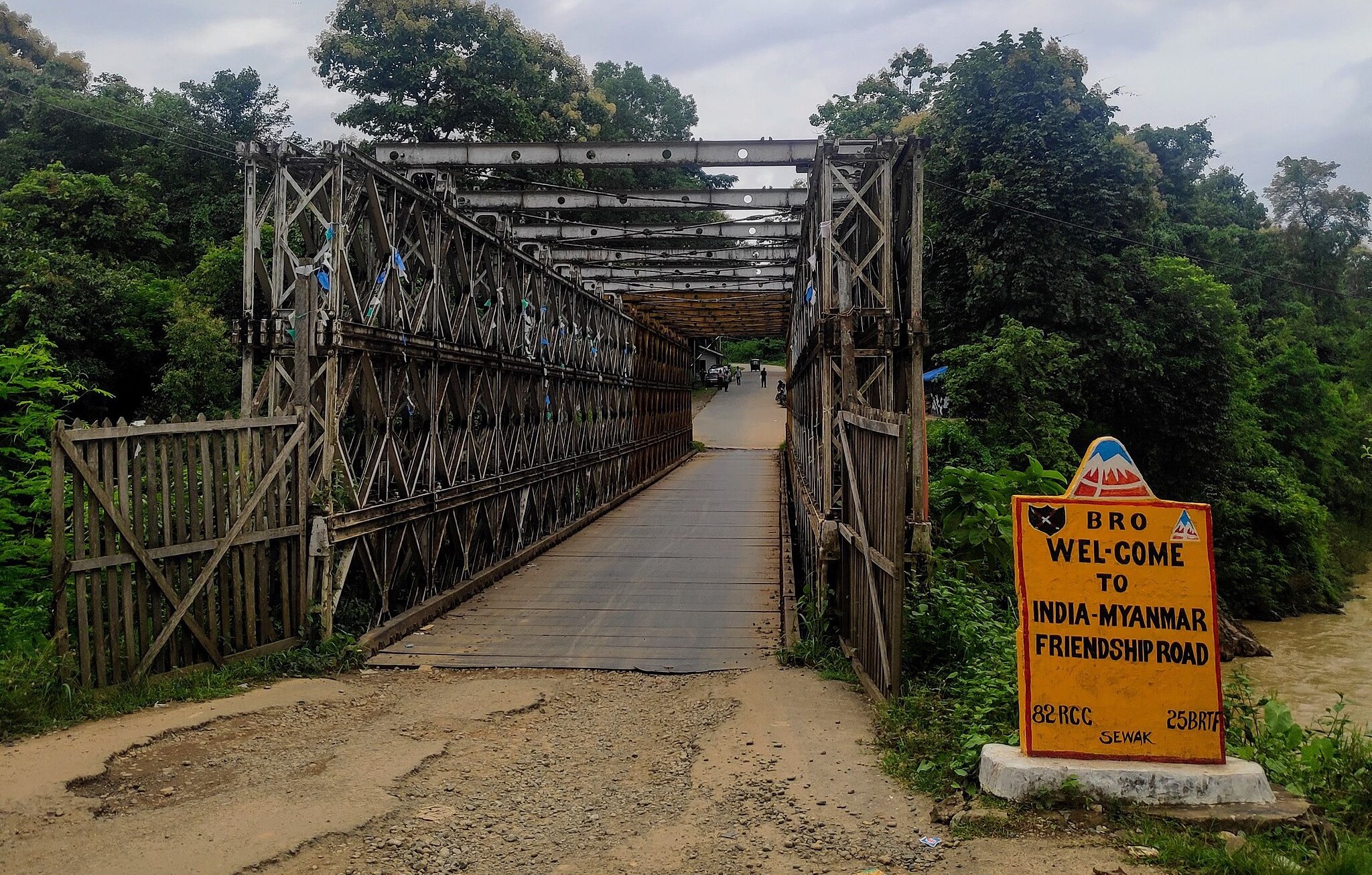
The parallel political and security crises in Myanmar and Manipur have led Indian authorities to consider abolishing the Indo-Myanmar Free Movement Regime (FMR). However, without long-term policy efforts to ameliorate the political and economic situation along the border, ending the FMR and fencing the Indo-Myanmar border is unlikely to resolve India’s security problems in the region.

Screenshot 2023-10-11 at 2.20.44 PM Courtesy: Voice of America
12 October 2023

Maldives: a democracy evolves

The recent presidential election outcome in the Maldives reflected a thriving democracy driven by voters' concerns for key domestic issues like employment, housing, education and healthcare. To portray the election as a football match between China and India resulting in the latter’s defeat is to ignore how South Asia's smallest state functions.