547902401_1280x720 Courtesy: Legal Entity Identifier
14 September 2018

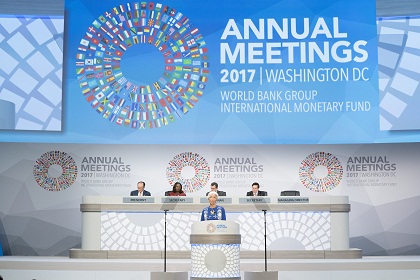
LEI, a gold standard for financial transparency

Ten years after the global financial crisis, some reform has come about. To further transparency, the Legal Entity Identifier (LEI), proposed by the G20, is a code used to identify the parties that participate in financial transactions around the world. While its benefits and applications are abundant and will reduce systemic vulnerability, its global implementation is complex and slow. This primer shows why – and also why the LEI should be urgently and widely adopted

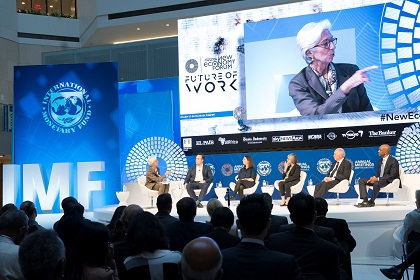
International Monetary Fund Manging Director Christine Lagarde (L), Jeremy Johnson(2ndL), Sara Horowitz;(3rd L), Deborah Greenfield (3rd R), Jim Clifton (2nd R) and James Manyika (R) participate in a Seminar "The New Economy Forum:Future of Work" at the IMF Headquarters during the IMF/World Bank Annual Meetings October 11, 2017. IMF Staff Photo/Stephen Jaffe Courtesy: IMF/ Flickr
12 October 2017

IMF, WB Annual Meetings 2017: growth outlook

The IMF/World Bank Annual Meetings, being held on October 12-15 will take place amidst news that the growth momentum of the global economy is being sustained, and the outlook looks better than it did during the Spring Meetings. How can a global consensus be developed to better address the growth fundamentals now that the global economy is strengthening?

913860-ChinastockmarketAFP-1435858588-636-640x480 Courtesy: Tribune
5 October 2017

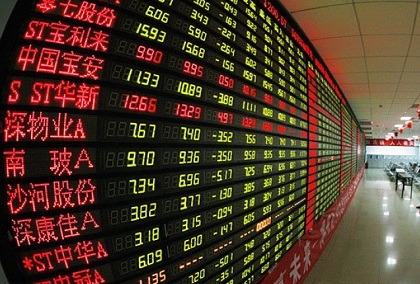
Learnings from Chinese outbound investment

Beijing has its finger on the economic pulse of the country, demonstrating a responsiveness to criticism at home and abroad. It reveals a great deal about Chinese political priorities and societal changes, and offers a collective learning for investors and markets worldwide – and especially for India.

2c2a84b1-90dc-4106-99c8-3396ca3d2dac Courtesy: News Max
21 September 2017

China’s economy: can the house of cards hold?

China’s credit-led growth is likely to lead to a fairly severe economic crisis in the next two or three years. Recent research suggests that the current tactics may boost short-term growth, but harm its long-term prospects. Time is running out for the country’s ambitious policy-makers

_96278695_6dce5a47-502a-4f67-95ff-17f4295e53c8 Courtesy: BBC
21 September 2017

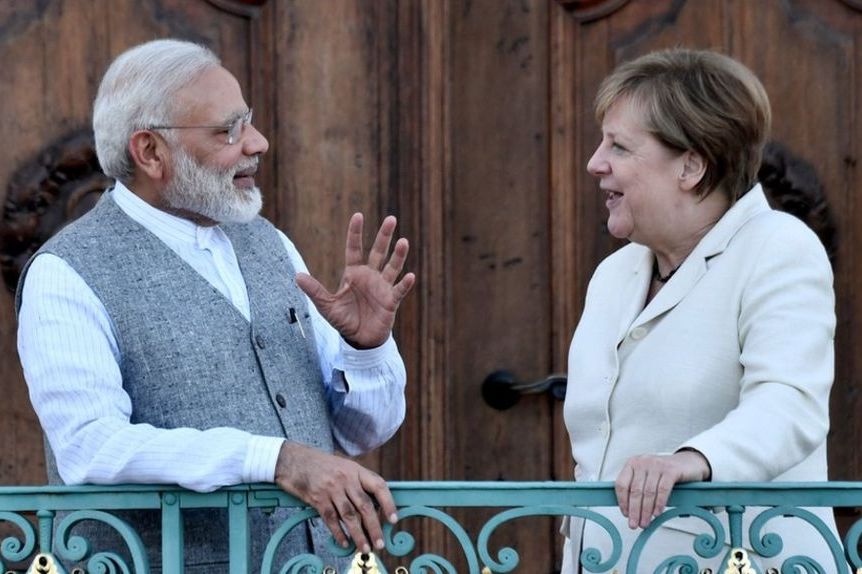
India, Germany and Africa: the new priority

Germany and India have revealed a dual priority for Africa: creating opportunities for prosperity and promoting stability. For both, these are uncharted waters and represents a shift in the locus of global dynamism, away from an Anglo-Saxon world order to a more diverse yet potentially fissiparous one

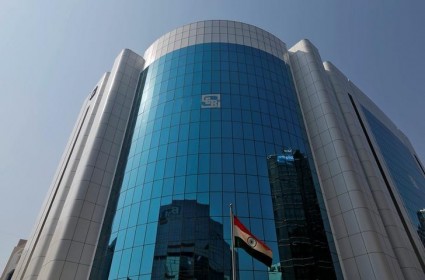
The logo of the Securities and Exchange Board of India (SEBI) is seen on the facade of its headquarters building in Mumbai, March 1, 2017. REUTERS/Shailesh Andrade/Files Courtesy: Reuters
24 August 2017

India’s capital markets at 70

India’s equity markets are a success story in the country’s 70th year of independence, and there are two prominent state institutions responsible for this, the Securities and Exchange Board of India and the National Stock Exchange. SEBI has played an extraordinary role in bringing in market efficiency, but as the equity market regulator, it must have the corporate surveillance function as well