Screenshot 2025-10-13 103335 Courtesy: Körber-Stiftung
13 October 2025

Bandung at 70: Multilateralism in a New Era of Multi-Alignment

The world is facing multiple crises which are shaking the foundations of multilateralism. The West’s structures are faltering, and the need for effective and equitable cooperation is greater than ever. Seventy years after the 1955 Bandung Conference, its principles of sovereignty, territorial integrity, cooperation and solidarity remain vital. This report revisits Bandung’s relevance for today’s reform efforts, urging renewed Global South–Europe collaboration for a sustainable global future.

Website articles  (22) Courtesy: Getty Images
3 July 2025

Diversifying supply chains for critical minerals

The Quad Foreign Ministers’ Meeting in Washington on 1 July, 2025, underscored the importance of diversified and reliable global supply chains, especially for critical minerals. A Gateway House report shows how to strengthen supply chains for rare earths by creating deep financial markets similar to those that exist for bullion and oil.

Gateway House Courtesy: Gateway House
3 July 2025

China Plus One and global supply chains

A slowdown of the Chinese economy, and the shift, particularly by MNCs, from China to other more competitive locations has opened up business opportunities for latecomers to supply chains in the developing world. Evidence suggests that Southeast Asia and some South Asian countries like India, Sri Lanka, Bangladesh, could be beneficiaries of the supply chain shift, particularly in labour-intensive segments.

Getty (1) Courtesy: Gateway House
15 May 2025

The New Geopolitics and South Asia’s Trade Architecture – What Next?

Geopolitics is increasingly intertwined with the economic destiny of South Asia. Even before the U.S. tariffs were rolled out, growing polycrises had hit the global economy, which has been struggling since the pandemic. South Asia seems a relatively bright spark of regional trade and growth. This paper analyses South Asia’s trade architecture in the backdrop of a sluggish world economy in the 2020s, and makes recommendations for closer regional economic integration.

EuropeProtests-01[85] copy Courtesy: Gateway House
17 November 2022

Protests across Europe

Discontent over high energy prices, spiralling living costs, and anti war sentiments have gripped Europe, resulting in protests and civil unrest across the continent. With no immediate solution in sight, public resentment is likely to intensify through the coming winter months

FTA India Courtesy: Economic Times
21 September 2022

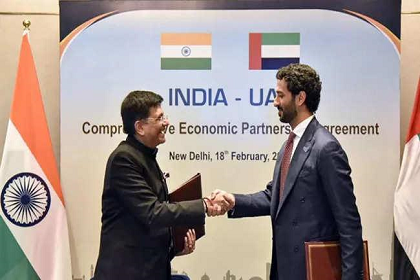
Gains from India’s new FTAs

India is stepping into a new era of free trade agreements in the midst of turbulent global waters that bring both risks and opportunities. A fragile global recovery can dampen demand for India’s goods, but it can also attract medium and high-tech manufacturing sectors leaving China, benefit from technology and skill transfer from abroad and lay a strong foundation for growth.

Modi In G20 Courtesy: Narendra Modi/Facebook
25 August 2022

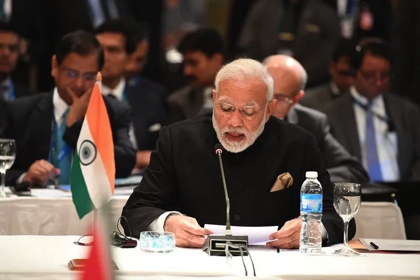
Geopolitics, G20 and India’s Choices

India will be president of the G20 in 2023. The world’s most influential economic governance body is facing an existential crisis, where the major powers have fallen out. With geopolitical currents redefining geo-economics, India needs to be ready to emerge as the chief global diplomat.

G7GS Courtesy: telegraphindia.com
13 July 2022

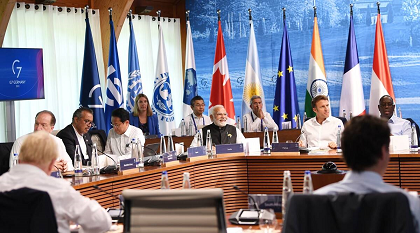
The G7 woos the global south

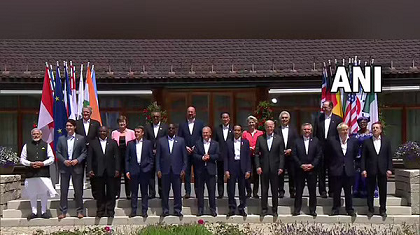
The G7 has reached out to emerging economies which have, of late, been facing challenges on the economic front, brought on by the lingering pandemic and the mismanagement of the Ukraine crisis. They are also seeking, from the global south, a broader acceptance of their world view. Will it be forthcoming?

sanctions Courtesy: The Loadstar
6 July 2022

Detailing Western sanctions against Russia

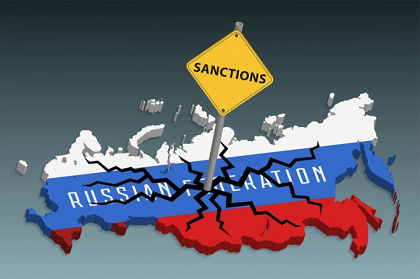
The West is using the Ukraine crisis as a watershed moment to weaponize sanctions in a volatile global setting. This infographic shows the extent and scale of Western sanctions against Russia, both public and private, across different sectors, and in a coordinated manner.

G7s1 Courtesy: The Print
4 July 2022

What did the G7 achieve?

The shadow of the Ukrainian war was visible at the G7 summit. Anti-Russian formations were expected, but the extensive reference to China drew attention. The leaders did their part by extensively discussing challenges relating to climate, energy, environment, health, and food security. It is now for the G7 governments to deliver, to be taken seriously.