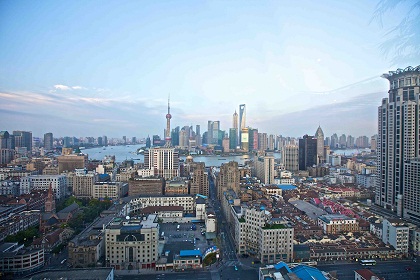
Cannibalising U.S. firms in China
The U.S. strategy to impose steep tariffs on Chinese goods shipped to the U.S. has been puzzling since the tariffs are likely to hurt a large number of American enterprises based in China

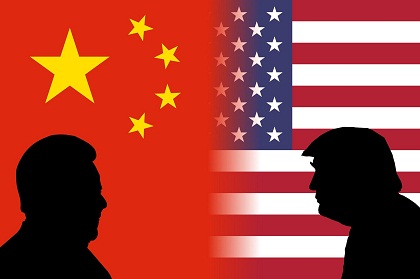 Courtesy: Enterprenuer.com
The U.S. strategy to impose steep tariffs on Chinese goods shipped to the U.S. has been puzzling since the tariffs are likely to hurt a large number of American enterprises based in China
 Courtesy: Pacom
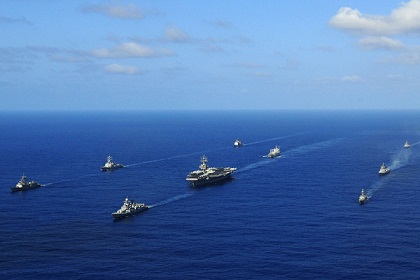
Canada, which has been slow to respond to a changing trans-Pacific neighbourhood, can join India and the ASEAN member states to embark on a trilateral dialogue on the Indo-Pacific’s importance in terms of political, strategic and other domains. An alignment in outlook can strengthen the security and prosperity of a region, currently mired in U.S.-China rivalries
 Courtesy: The Hindu
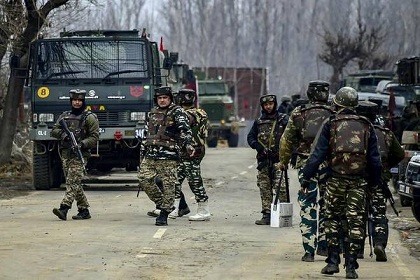
India has used military and diplomatic offensives against Pakistan as a response to the February 14 terrorist attack in Pulwama, Jammu and Kashmir. There are two more options available - legal, through sanctions, and economic - to curb Pakistan's dangerous adventurism. Gateway House explores both in the infographic below
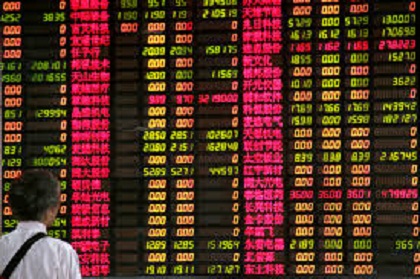
The Chinese leadership faces a range of economic problems and not very palatable solutions, says Prof Heribert Dieter, Visiting Fellow at Gateway House, Mumbai, and Senior Fellow, German Institute for International and Security Affairs, Berlin, in this wide-ranging conversation with Gateway House. He also analyses the European perspective on China, the U.S.-China trade war and the role of global forums, such as G20
 Courtesy: akross
China’s economy is in trouble, a situation that has been exacerbated by the trade war with the U.S. They can either reduce the debt burden and accept slower growth or boost the already high level of debt, which can end in a slump.
 Courtesy: Foreign Affairs
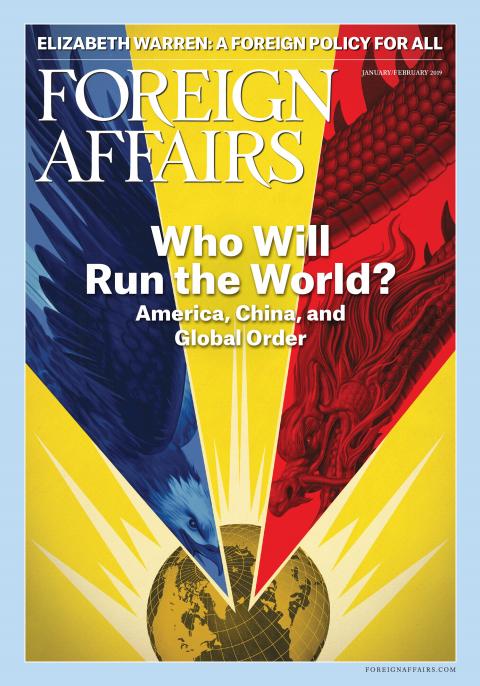
Although China does not want to usurp the United States’ position as the leader of a global order, its actual aim is nearly as consequential. As one Chinese official put it, “Being a great power means you get to do what you want, and no one can say anything about it.” In other words, China is trying to displace, rather than replace, the United States.
 Courtesy: Imarticus
A G20 discussion around fintech is needed because of the emergence of global technology giants as data intermediaries which are expanding into the financial services industry. This is resulting in regulatory risks and challenges. The panel on Fintech at the official Think20 Mumbai Roundtable, organised by Gateway House on 28 January 2019, could not be more timely
 Courtesy: Hume Brophy
The global financial system has been driven by the search for profit, but serious flaws surfaced in such a myopic approach. Now, sustainable finance’s time has come—and investment decisions will benefit from integrating environmental, social and governance factors
 Courtesy: PM India
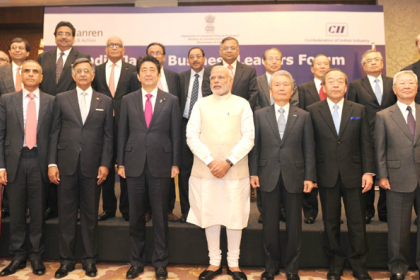
The reason for the two countries’ continued good relationship? They share strategic interests and universal values even if they have divergent ways of thinking
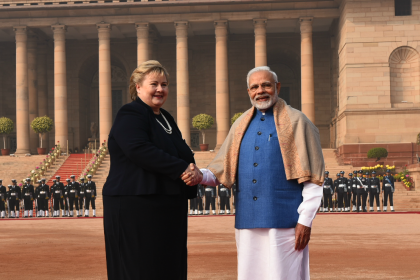 Courtesy: MEA Flickr
Norwegian prime minister Erna Solberg’s visit to India earlier this week had a central focus: strengthening economic and technological cooperation in the Blue Economy. This is an area in which her country has considerable expertise and with which Indian business needs to collaborate in managing industries, such as oil, shipping, fisheries and aquaculture in a ‘green’ way